Healey risks breaking minimum wage promise for younger workers
Source Entity
BBC News
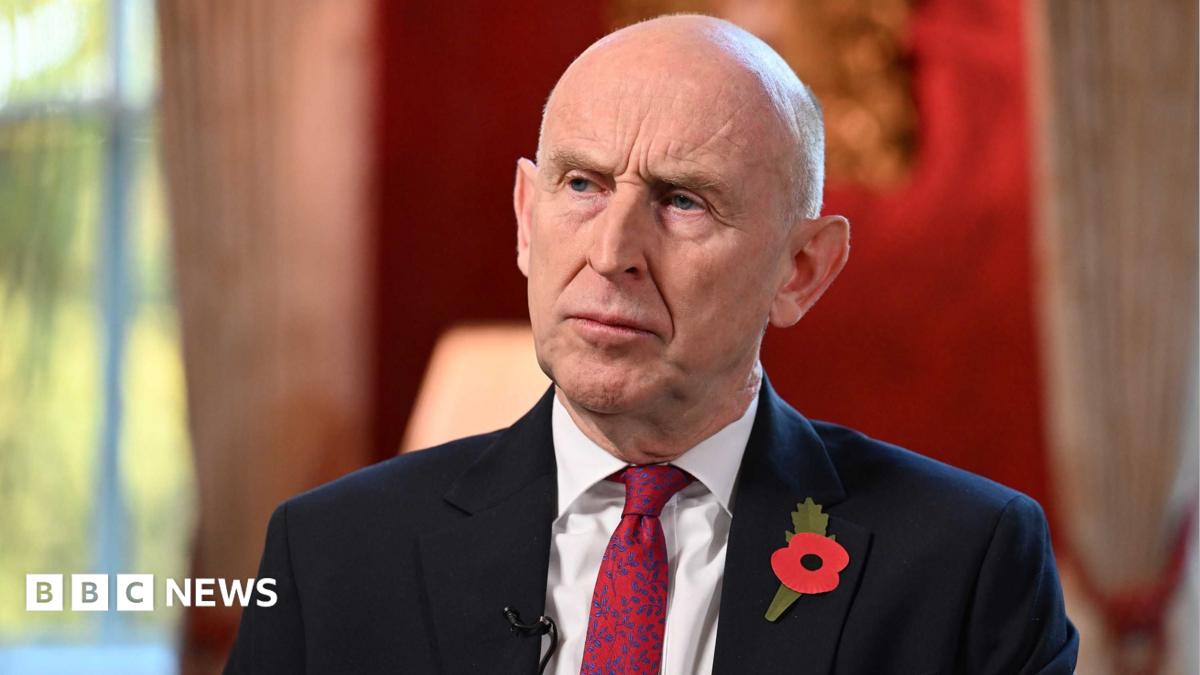
Chancellor John Healey has signaled a potential departure from Labour's manifesto commitment to eliminate age-based minimum wage bands. By maintaining a pay gap in the recent budget, the government risks criticism over its pledge to establish a single, unified adult rate for all workers.
The Minimum Wage Controversy: A Broken Pledge?
Chancellor John Healey’s recent remarks regarding the minimum wage have ignited a significant debate over the Labour Party's fiscal priorities and its fidelity to campaign promises. During the 2024 election cycle, Labour explicitly campaigned on the removal of "discriminatory age bands," pledging to bridge the pay gap between 18 to 20-year-olds and the adult minimum wage. This policy was intended to foster economic fairness and provide younger workers with a more equitable starting point in the workforce.
The Budgetary Disconnect
Despite these previous assurances, the most recent Budget presented by Healey suggests a shift in strategy. Rather than aggressively narrowing the gap, the Chancellor has opted for a policy where younger workers receive the same percentage increase as older workers. This decision effectively preserves the current disparity rather than eliminating it. By keeping the wage structures distinct, the government has created a scenario where, by 2026, 18 to 20-year-olds will earn £11.27 per hour, while those over 20 will earn a minimum of £13.21.
Economic and Political Implications
This move has profound political consequences, as it directly challenges the narrative of a government committed to radical reform. Critics argue that by maintaining these age bands, the administration is prioritizing fiscal caution over social equity. For younger voters who supported the Labour platform based on promises of wage parity, this development represents a significant disappointment and raises questions about the long-term feasibility of the party's economic agenda.
Historical Context of Age-Banded Pay
Historically, the UK has utilized age bands in minimum wage legislation to account for the perceived difference in experience and training requirements for younger versus older employees. However, the modern argument for a single rate centers on the cost-of-living crisis, which impacts young adults as severely as their older counterparts. By choosing to retain the gap, the government is signaling that it still views age as a valid proxy for productivity or economic necessity, a stance that contradicts its own earlier messaging.
Future Trends and Outlook
As the next election approaches, the pressure on the Chancellor to reconcile these actions with the original manifesto will likely intensify. The question posed to Healey in an upcoming BBC interview highlights the public's demand for accountability: will the government achieve wage parity before voters head to the polls again? Should the current trajectory continue, the government may find itself defending a record that falls short of its "fairness" mandate, potentially alienating a key demographic of the electorate.
Conclusion
In summary, the Chancellor's recent budget decisions have created a clear tension between immediate fiscal planning and long-term political commitments. While the government maintains that the current approach is a balanced step forward, the persistence of the wage gap indicates that the promise to end discriminatory pay bands remains unfulfilled. The coming months will be critical in determining whether the government can navigate this policy dilemma without suffering a loss of credibility among younger workers.