INDIA bloc holds symbolic ‘public impeachment’ of CEC Gyanesh Kumar on six charges
Source Entity
India Latest News: Top National Headlines Today & Breaking News | The Hindu
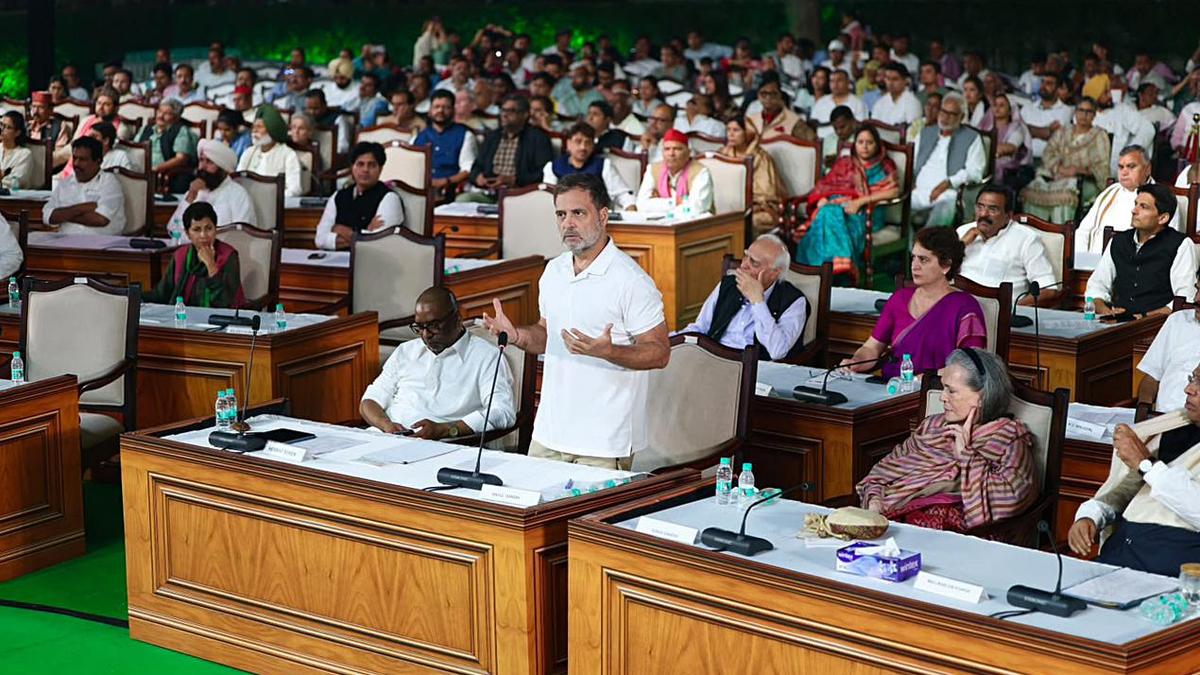
The INDIA bloc is staging a mass protest and 'public impeachment' against CEC Gyanesh Kumar, citing alleged electoral irregularities. The coalition claims that 13.2 crore voters were removed through the Special Intensive Revision (SIR) process.
The INDIA Bloc's Standoff with the Election Commission
The Indian National Developmental Inclusive Alliance (INDIA) bloc has mobilized a significant political demonstration in New Delhi, centered on the demand for the resignation of Chief Election Commissioner (CEC) Gyanesh Kumar. Following a symbolic "public impeachment" motion passed by the opposition on October 31, 2026, the coalition has escalated its campaign to the Ramlila Maidan. This series of events highlights a deepening fissure between the opposition and the constitutional body responsible for overseeing the democratic process in India.
Allegations of Electoral Manipulation
At the core of the controversy is the Special Intensive Revision (SIR) of electoral rolls. Opposition leaders, led by figures like Rahul Gandhi, have leveled six specific charges against the CEC. Most notably, they allege that the SIR process was weaponized to delete approximately 13.2 crore voters from the electoral rolls. The opposition characterizes these deletions not as routine administrative maintenance, but as a deliberate effort to influence electoral outcomes in favor of the ruling Bharatiya Janata Party (BJP).
Internal Dissent within the ECI
Adding weight to the opposition's claims are reports indicating internal friction within the Election Commission of India (ECI). It has been reported that Election Commissioners Sukhbir Singh Sandhu and Vivek Joshi had formally objected on record multiple times over the preceding ten months regarding decisions related to the SIR process. These internal records have provided the INDIA bloc with a narrative framework to argue that the concerns regarding electoral integrity are not merely partisan grievances but are rooted in procedural discrepancies noted by the Commission's own members.
The 'Chalo Dilli' Mobilization
Logistical challenges have marked the lead-up to the rally, including the rescheduling of the "public impeachment" event due to heavy rainfall in the national capital. The subsequent "Chalo Dilli" march, planned from the Minto Road–Connaught Place junction to the Ramlila Maidan, serves as a show of strength for the opposition. The process was further complicated by political friction, with Rahul Gandhi alleging that the Union Home Minister attempted to obstruct the movement of supporters into Delhi, an accusation the government has categorically denied.
Broader Implications for Democracy
This protest represents a critical juncture for the perception of India's independent institutions. By conducting a "public impeachment," the INDIA bloc is attempting to shift the discourse from traditional parliamentary debate to direct public engagement. This strategy seeks to erode the perceived legitimacy of the CEC, framing the office as being under the influence of the Prime Minister and the Home Minister. Such a move signals that the opposition intends to make electoral integrity a centerpiece of their platform moving forward.
Future Trends and Outlook
The intensity of this rally suggests that the opposition will continue to leverage the SIR controversy as a primary tool for political mobilization. As the INDIA bloc seeks to sustain pressure on the ECI, the government's response—and any subsequent judicial or institutional interventions—will be closely watched. The focus on voter list transparency is likely to remain a volatile issue, potentially setting the stage for more stringent demands for electoral reform and increased oversight of the ECI's decision-making processes in the months to come.
Multiple Citing Sources
Verification Required?