Vivek Ramaswamy’s Ohio test: What his result means for Indian-origin politicians in the Republican Party
Source Entity
The Indian Express
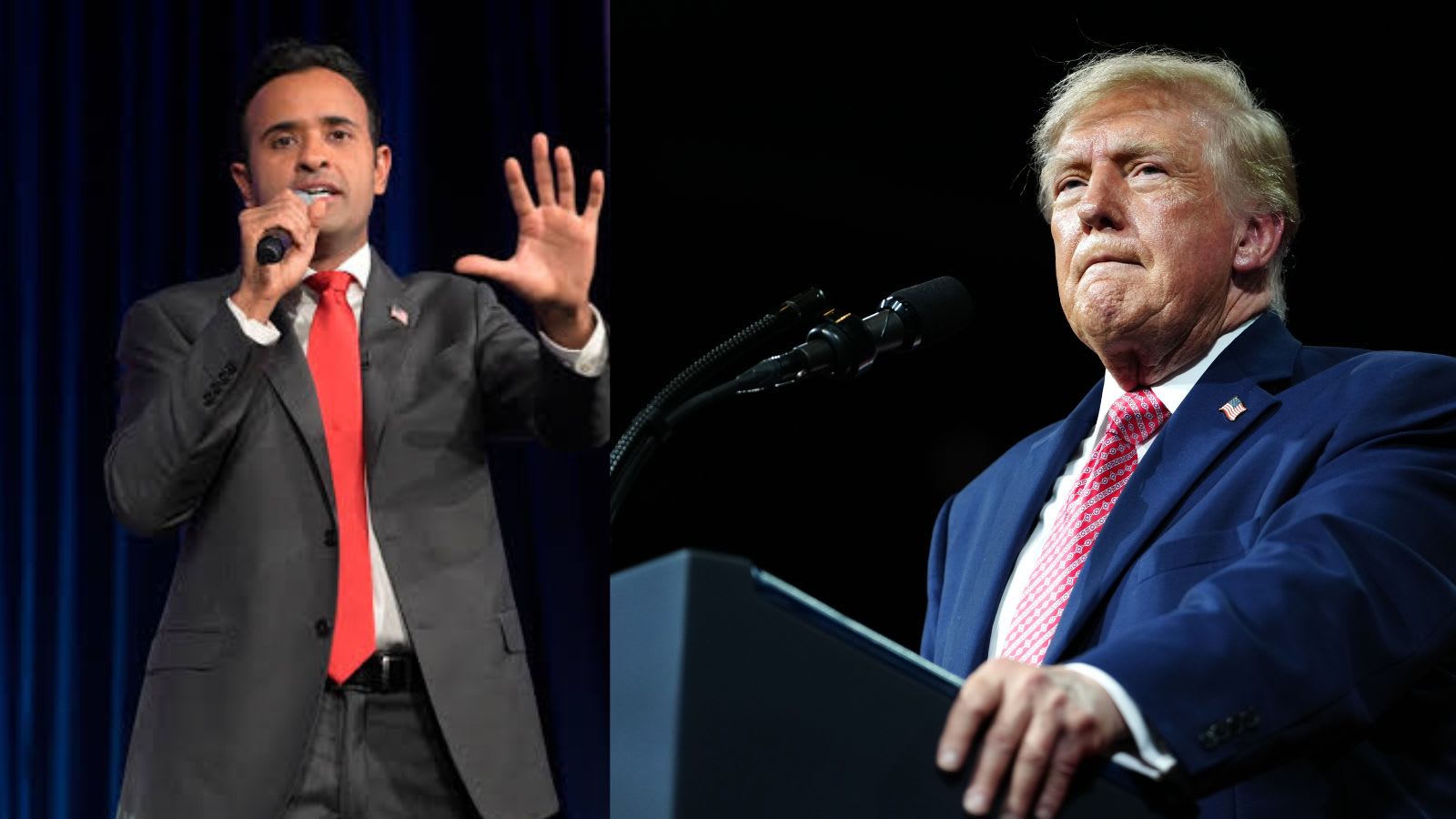
Vivek Ramaswamy faces a critical test in the Ohio gubernatorial race against Democrat Amy Acton. The election serves as a bellwether for the viability of Indian-American candidates within the Republican Party.
The Ohio Bellwether: Ramaswamy’s Political Litmus Test
The gubernatorial race in Ohio featuring Republican candidate Vivek Ramaswamy and Democratic rival Amy Acton has emerged as a focal point for national political observers. As the state heads to the polls, the contest is being viewed not merely as a local election, but as a significant barometer for the evolving landscape of the Republican Party. With recent polling data from Suffolk University and USA TODAY showing Acton leading with 48 percent against Ramaswamy’s 44 percent, the race remains tight, reflecting a narrowing gap since September.
The Challenge of Representation and Identity
Beyond the traditional policy debates, this race is testing the boundaries of identity politics within the GOP. The candidacy of Ramaswamy, an Indian-American, brings to the forefront the party's internal dynamics regarding race and religion. Reports from The Washington Post highlighting online racist abuse directed at the candidate underscore the hurdles faced by minority figures seeking high office. These challenges are exacerbated by documented skepticism among segments of the electorate regarding his Hindu faith, which adds a complex layer to his campaign narrative.
Analyzing the Polling Trajectory
Statistical trends suggest a tightening race, which keeps the outcome uncertain despite the Democratic advantage. The September polling data, which placed Acton ahead by a nine-point margin (50 to 41 percent), has shifted to a four-point lead in the latest October 28 release. This narrowing trajectory indicates that Ramaswamy’s campaign strategies—or perhaps the influence of third-party candidates like Libertarian Don Kissick, who holds 4 percent—are playing a critical role in the final days of the campaign cycle.
Broader Implications for Indian-American Republicans
This election serves as a crucial case study for other Indian-origin politicians currently navigating the Republican primary and general election infrastructure. As the GOP seeks to broaden its coalition, the success or failure of Ramaswamy’s candidacy will likely influence how future candidates from similar backgrounds approach their messaging and outreach. The eyes of the political establishment are fixed on Ohio to determine if the party’s base is increasingly receptive to diverse candidates, or if systemic barriers remain firmly entrenched.
Strategic Considerations and Future Trends
If Ramaswamy manages to overcome the current polling deficit, it could signal a shift in voter sentiment, suggesting that party loyalty and platform alignment can transcend traditional identity-based biases. Conversely, a loss would likely spark intense internal debate about the electability of non-traditional candidates in competitive state-wide races. The outcome will ultimately inform the strategic playbook for Indian-American candidates in the 2026 election cycle and beyond, shaping how the party balances ideological purity with the need for demographic expansion.