48 lakh non-BS-VI vehicles in NCR districts next door, police have task cut out as restrictions kick in today
Source Entity
Sophiya Mathew, Sakshi Chand
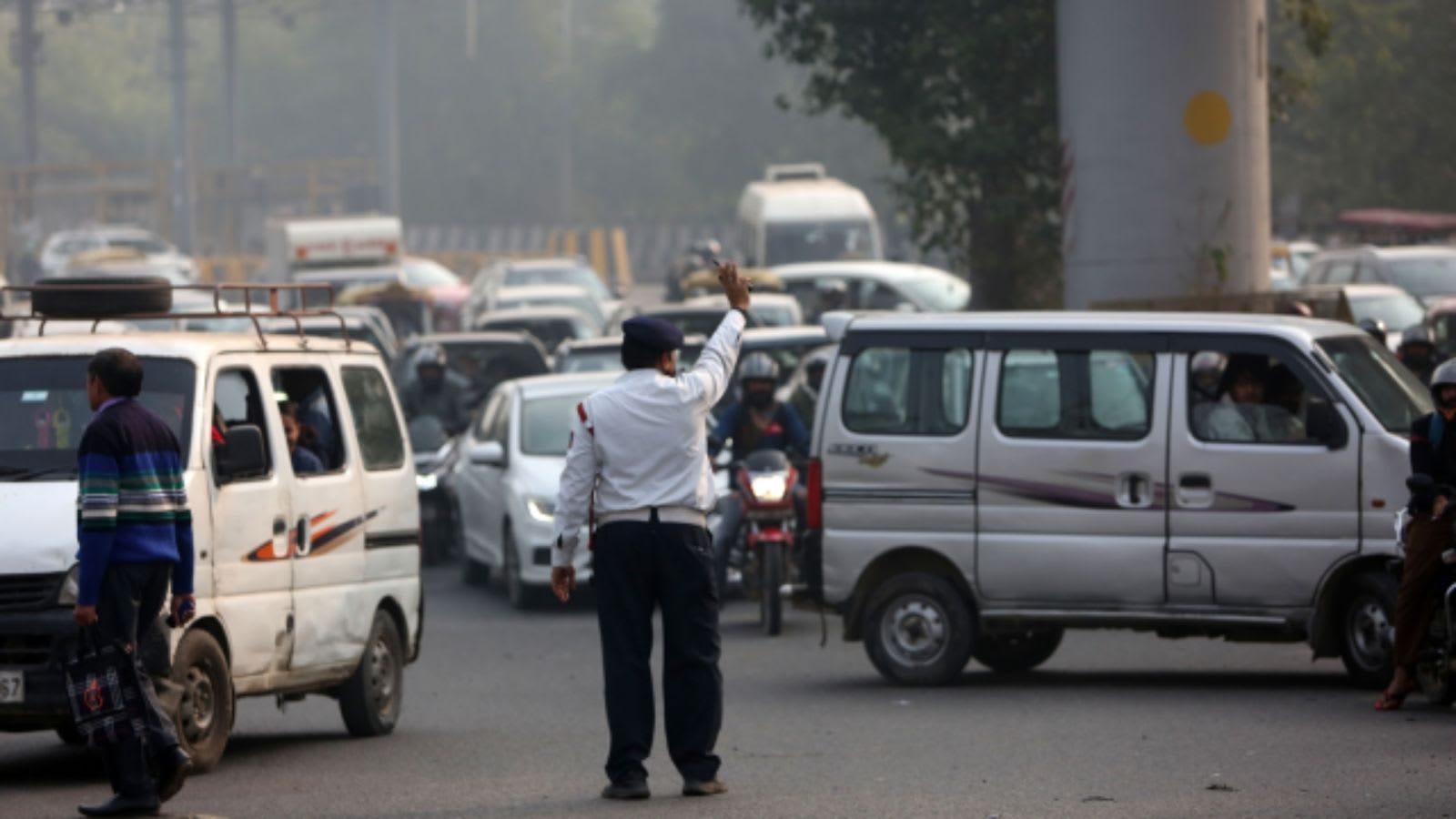
Delhi is implementing strict anti-pollution measures starting November 1, including a ban on non-BS-VI vehicles from NCR districts and construction halts. These precautionary steps aim to mitigate winter air quality degradation, though transporters warn of potential fare hikes and supply chain disruptions.
Delhi Implements Proactive Measures to Combat Winter Pollution
As winter approaches, the National Capital Region (NCR) is bracing for a significant shift in logistics and public movement. Starting November 1, the Delhi government and the Commission for Air Quality Management (CAQM) have enforced stringent restrictions aimed at curbing the city's notorious winter air pollution. These measures, which include a ban on non-BS-VI vehicles registered outside Delhi and a temporary halt on dust-generating construction activities, mark a pivot toward 'anticipatory' governance rather than reactive emergency responses.
The Scope of Vehicle Restrictions
The most immediate impact of these new regulations involves the prohibition of non-BS-VI petrol and diesel vehicles entering the capital from neighboring regions. With approximately 48 lakh such vehicles registered in NCR districts in Uttar Pradesh, Haryana, and Rajasthan, the logistical challenge for Delhi Traffic Police is immense. Given that three-quarters of these vehicles are two-wheelers that frequently commute into the city, the enforcement of this ban is expected to fundamentally alter the daily transit patterns of millions of people.
Moving Beyond GRAP
Historically, Delhi has relied on the Graded Response Action Plan (GRAP) to implement emergency measures as air quality deteriorates. However, the current CAQM order represents a departure from this framework. By mandating a 50% work-from-home policy and halting construction before the peak pollution phase, authorities are attempting to preemptively lower the particulate matter load. This strategy acknowledges that factors like farm fires, unfavorable weather, and festive activities like Diwali create a 'perfect storm' for air quality degradation that requires earlier intervention.
Economic and Logistical Implications
The enforcement of these rules is not without economic friction. Transporters have raised serious concerns, noting that these restrictions—which last until January 31, 2027—could lead to a 15-20% hike in bus fares. Operators such as Highway Travels have highlighted that the lack of exemptions for tourist permit buses will cause significant financial losses during the peak travel season. Furthermore, the restriction threatens the smooth supply of essential goods, as the logistics chain is heavily reliant on vehicles that may no longer be permitted to enter the capital.
Balancing Public Health and Urban Functionality
The central tension remains the balance between public health and urban functionality. While the reduction in older, high-emission vehicles is a necessary step toward meeting cleaner air standards, the immediate impact on the workforce and the supply chain is profound. As the city navigates the next three months, the success of these measures will depend on the effectiveness of police enforcement and the ability of the private sector to adapt to the new, more restrictive regulatory environment.
Future Trends and Outlook
Looking ahead, this policy serves as a bellwether for how Indian metropolitan areas may handle environmental crises in the future. The shift toward permanent, multi-month restrictions on older vehicle classes suggests that the era of 'business as usual' for older diesel and petrol fleets in the NCR is coming to a close. Future trends will likely see an accelerated transition toward electric vehicles and cleaner public transit infrastructure to offset the economic disruptions caused by these necessary, albeit difficult, environmental mandates.