The Bioavailability Baseline
Most people approach nutrition as a simple math problem: calories in versus calories out, or milligrams of a vitamin on a label. This is a fundamental misunderstanding of human biology. The reality is that the amount of a nutrient you ingest is rarely the amount your body actually utilizes. This gap is known as bioavailability. Whether you are consuming a handful of spinach or a high-end supplement, your gut must first break down the food matrix, transport the nutrient across the intestinal wall, and deliver it to the target cell. If the conditions aren't right, those expensive nutrients simply pass through your system unused.
Why does this happen? Absorption is governed by complex chemical interactions. Some nutrients require a lipid carrier to cross cell membranes, while others are blocked by 'antinutrients'—naturally occurring compounds like phytates and oxalates that bind to minerals. For example, the non-heme iron found in plant-based sources is significantly harder for the body to absorb than the heme iron found in animal products. Without a strategic approach to pairing and preparation, you can be eating a 'perfect' diet on paper while remaining functionally deficient in critical micronutrients.
Prerequisites for Nutrient Optimization
Before you can sync your diet, you need the right physiological and environmental tools. Bioavailability doesn't happen in a vacuum; it requires a functioning digestive engine. This starts with adequate stomach acid (HCI) and bile production. Without sufficient acid, minerals like calcium and magnesium cannot be ionized for absorption. Similarly, without bile, fat-soluble vitamins remain trapped in the food matrix. If your digestive foundation is cracked, no amount of 'superfoods' will fix the deficit.
- Healthy Lipid Sources: Extra virgin olive oil, avocado, or grass-fed butter to transport fat-soluble vitamins.
- Organic Acids: Lemon juice, apple cider vinegar, or fermented foods to lower gastric pH and enhance mineral solubility.
- Digestive Enzymes: Naturally occurring enzymes from pineapple (bromelain) or papaya (papain) to break down complex proteins.
- Hydration Balance: Proper water intake, timed away from heavy meals to avoid over-diluting digestive enzymes.
The Blueprint: A Step-by-Step Syncing Strategy
- Map Your Fat-Soluble Nutrients: Identify foods rich in Vitamins A, D, E, and K and ensure they are paired with a high-quality fat source.
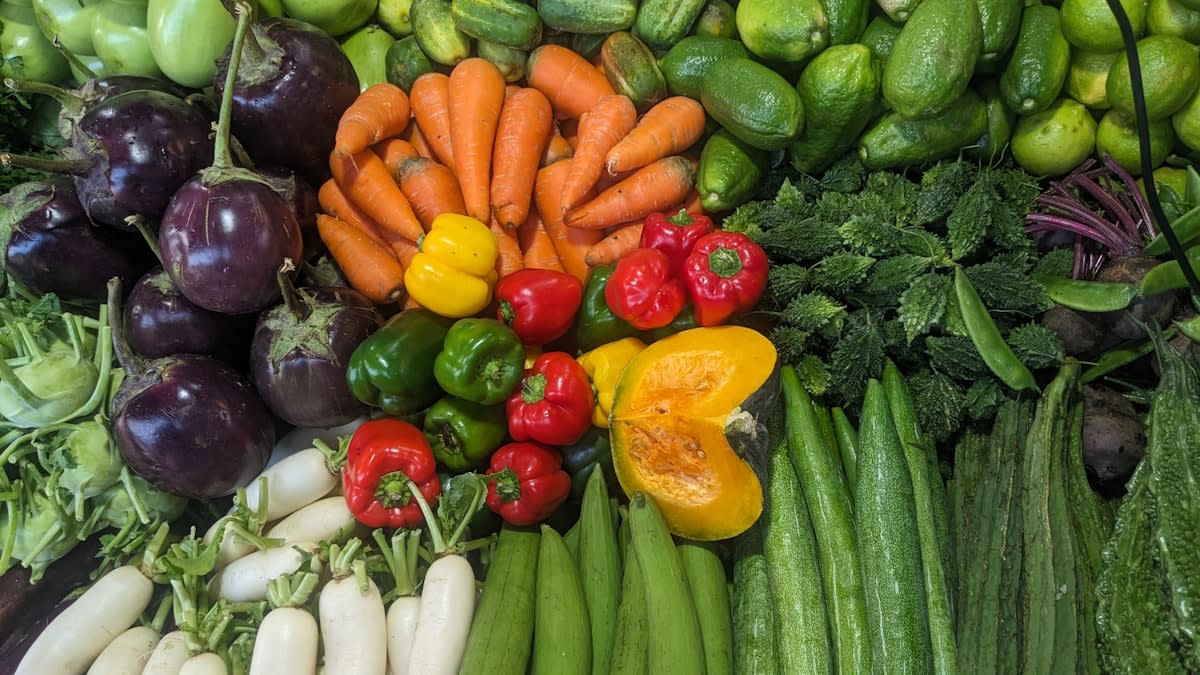
- Strategic Pairing for Mineral Absorption: Pair iron-rich plants with Vitamin C and separate calcium-rich foods from high-zinc meals.
- Neutralize Antinutrients: Use traditional preparation methods like soaking, sprouting, or fermenting to reduce phytates and oxalates.
- Optimize Timing and Sequencing: Consume water 30 minutes before or after meals and prioritize protein digestion before complex carbohydrates.
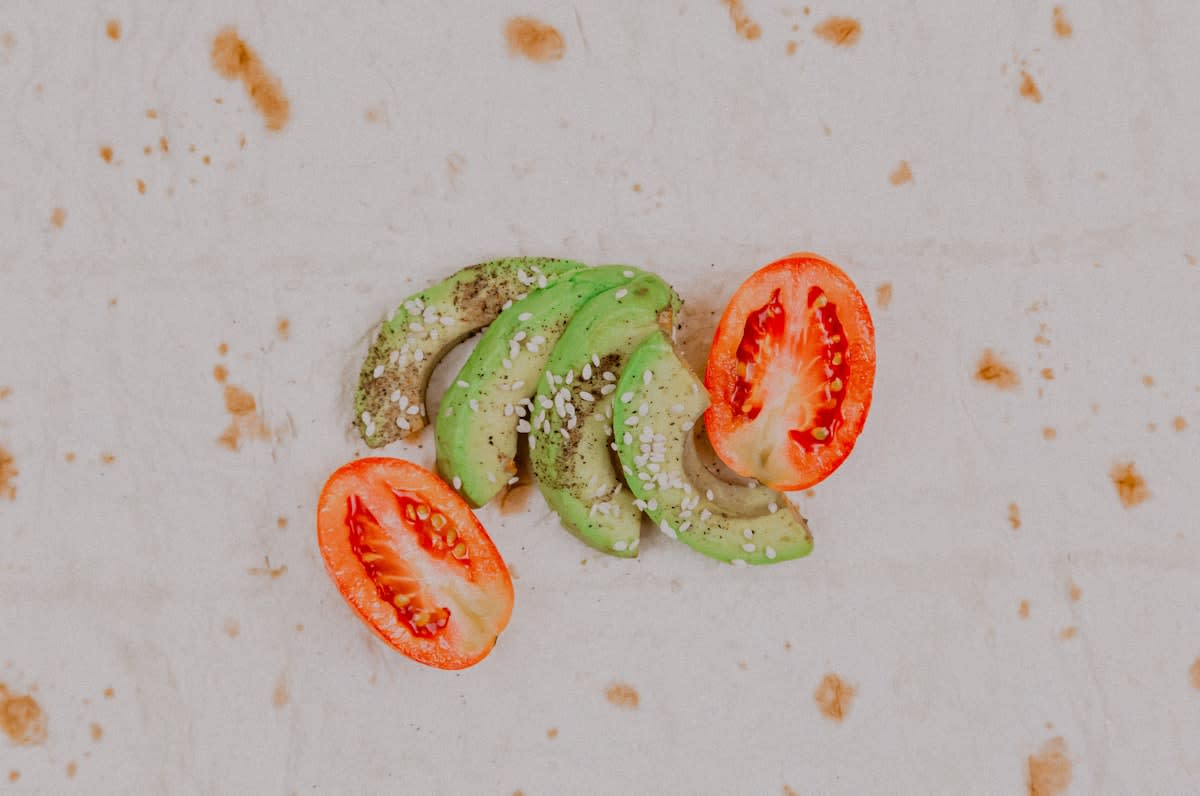
Let's break down Step 1: The Lipid Bridge. Vitamins A, D, E, and K are hydrophobic. If you eat a bowl of steamed carrots (beta-carotene/Vitamin A) without any fat, you are wasting a significant portion of that nutrient. To fix this, integrate a fat source—perhaps a drizzle of olive oil or some sliced avocado. According to general nutritional guidelines from the National Institutes of Health, the presence of dietary fat is essential for the absorption of carotenoids and the synthesis of chylomicrons, which transport these nutrients into the lymphatic system (Source: NIH, 2023).
Step 2 focuses on the synergy of minerals. Iron is a prime example of the 'enhancer vs. inhibitor' dynamic. Non-heme iron, found in legumes and spinach, is highly sensitive to its environment. Pairing these with ascorbic acid (Vitamin C)—such as squeezing lime over lentil soup—can increase iron absorption by several fold. Conversely, tannins in tea and coffee can inhibit iron absorption by up to 60-90% if consumed simultaneously (Source: World Health Organization, 2021). The goal is to create a chemical environment that favors absorption over binding.
"The focus of modern nutrition must shift from the quantity of nutrients on the plate to the quality of the absorption process. We are seeing a rise in 'hidden hunger,' where individuals meet their caloric needs but remain micronutrient deficient due to poor bioavailability."— Institutional Guidance, World Health Organization Nutrition Framework
Step 3 involves the 'cleanup' of your food. Many of the healthiest foods—grains, seeds, and legumes—contain phytates and oxalates. These are defense mechanisms for the plant, but in the human gut, they act as chelators, grabbing onto minerals like zinc and calcium and pulling them out of the body. This is where traditional wisdom meets science. In Mesoamerica, the process of nixtamalization (soaking corn in an alkaline solution) was developed to unlock niacin and reduce mycotoxins. Similarly, soaking almonds or sprouting lentils neutralizes phytates, making the minerals inside bioavailable.
| Nutrient | The Enhancer (Pair With) | The Inhibitor (Avoid With) |
|---|---|---|
| Non-Heme Iron | Vitamin C (Citrus, Peppers) | Tannins (Tea, Coffee), Calcium |
| Calcium | Vitamin D, Magnesium | Excessive Sodium, Oxalates |
| Vitamin A/K | Healthy Fats (Olive Oil, Avocado) | Low-fat/Fat-free diets |
| Zinc | Animal Proteins | Phytates (Unsoaked Grains) |
The Practitioner's Reality: Beyond the Spreadsheet
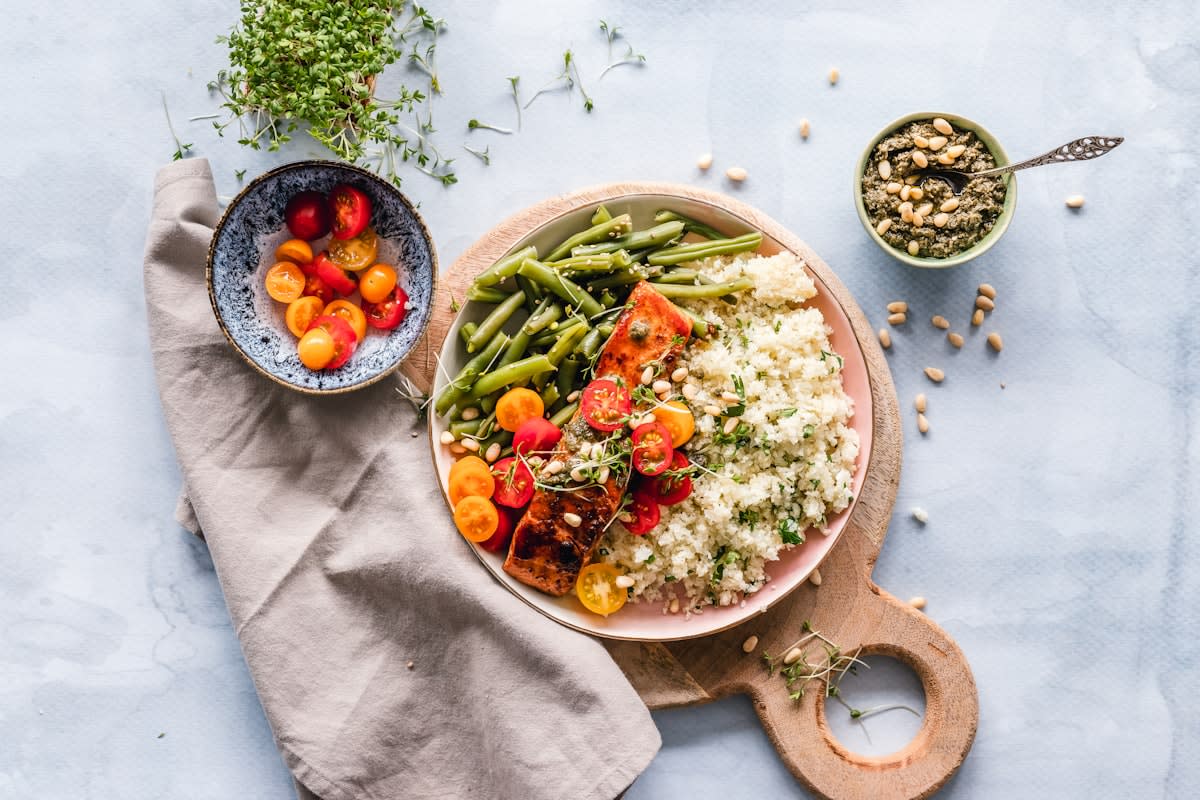
In my years of implementing these protocols, I've seen a recurring friction: the conflict between the 'raw food' movement and clinical bioavailability. There is a common belief that raw is always superior. However, from a practitioner's eye view, this is often a fallacy. While some enzymes are destroyed by heat, other nutrients are only unlocked by it. Lycopene in tomatoes, for instance, is far more bioavailable after cooking. In the clinic, we debate the 'bio-individuality' of the gut; some patients have the microbiome capacity to handle high-oxalate raw greens, while others experience severe mineral depletion. The real work happens in the nuance—adjusting the heat and the pairing based on the patient's specific markers, not a generic chart.
Common Pitfalls in Nutrient Syncing
- The Supplement Trap: Taking a high-dose multivitamin on an empty stomach, leading to nausea and poor absorption of fat-soluble components.
- Over-Reliance on Raw Greens: Consuming massive amounts of raw spinach or chard without blanching, which can lead to calcium binding via oxalates.
- The Coffee Rush: Drinking coffee immediately after a nutrient-dense breakfast, effectively neutralizing the iron and zinc intake.
- Ignoring the Gut Barrier: Focusing on the food while ignoring systemic inflammation or leaky gut, which prevents nutrients from crossing the intestinal lining.
Editorial Note
This guide is designed to optimize healthy individuals. Those with chronic kidney disease, severe malabsorption syndromes (like Crohn's), or those on blood-thinning medications (where Vitamin K intake must be stable) should consult a clinical nutritionist before making drastic changes to their nutrient pairing.
Fact-Check & Accuracy Note
The claims regarding Vitamin C and Iron synergy and the role of lipids in fat-soluble vitamin absorption are based on established biochemical consensus and data from the NIH and WHO. The specific inhibition percentages of tannins on iron are sourced from the World Health Organization's micronutrient guidelines (2021). Areas of ongoing debate include the exact impact of various sprouting durations on phytate reduction, which varies by seed type.