
Age is a lie. For decades, we treated the calendar as the ultimate authority on decay, ignoring the cellular fray that happens in real-time. We assume that a 60-year-old is simply a 60-year-old. This is a default error. The reality is a collision between chronological time and biological wear, where your habits and environment can either suture the damage or accelerate the collapse.
The Biological Age Metric: A New Terrain
The trend has shifted. Twelve months ago, biological age was a niche obsession for Silicon Valley executives and longevity clinics. Now, it is a clinical marker. We are moving away from the binary of 'healthy' or 'sick' and toward a measurement of acceleration. How much faster is your body aging than your birth certificate suggests? This isn't about vanity. It is about the grip that chronic stress and isolation have on your DNA.
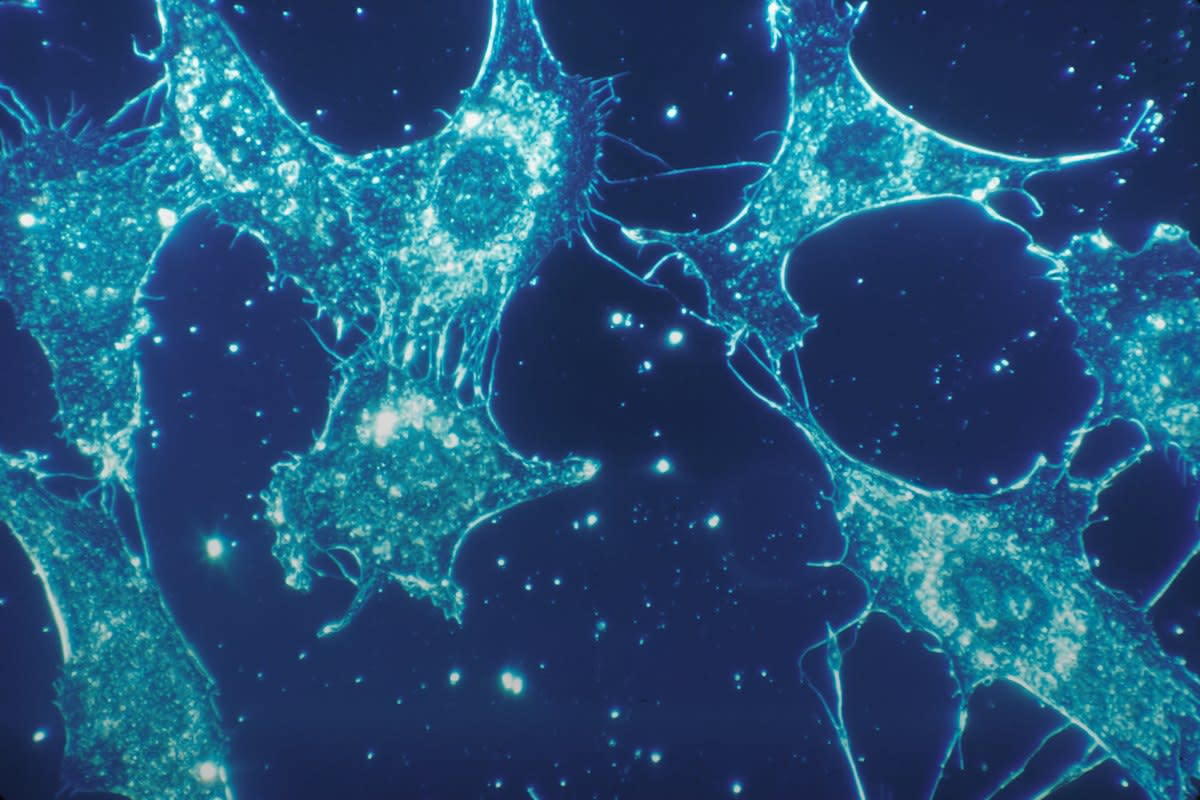
Recent data highlights a brutal reality. Social disconnection acts as a catalyst for this acceleration. According to research analyzing the UK Biobank, people who are socially isolated or lonely tend to be biologically older than their chronological years (Source: Psypost, 2026). This is not a mere feeling of sadness. It is a mechanical failure of the body's internal regulatory systems, driven by chronic psychological stress and immune system disruption.
"Simply increasing social contact may not fully offset the health risks tied to loneliness, and vice versa."— Authors of the UK Biobank study, as reported by Psypost
Why does this happen? The body perceives isolation as a threat. This perception saturates the system with stress hormones, creating a brittle internal environment. In cities like Tokyo or London, where 'lonely crowds' are a documented phenomenon, this biological acceleration is becoming a silent epidemic. The weight of this disconnection manifests as elevated blood levels of specific markers that signal the body is aging prematurely.
The Mortality Pathway: Analyzing the Delta
The most striking revelation lies in the mediation analysis. Researchers wanted to know if biological age acceleration is the primary reason lonely people die sooner. The answer is surprising. Only about 7.2 percent of the link between loneliness and death was statistically attributable to biological age acceleration (Source: Psypost, 2026). For those who are socially isolated, that number drops even further to 5.2 percent (Source: Psypost, 2026).
This creates a complex narrative. If biological age acceleration only accounts for a small fraction of the mortality risk, what is doing the rest of the damage? The answer likely lies in the hollow spaces of daily habit: poorer sleep, lack of nutrition, and the absence of a social safety net. The biological clock is ticking faster, yes, but the mechanical failure is often caused by the immediate effects of a disconnected life.
| Disconnection Type | Mortality Link via Bio-Age Acceleration | Primary Driver |
|---|---|---|
| Loneliness | 7.2% | Psychological Stress |
| Social Isolation | 5.2% | Immune Disruption |
The impact is not uniform. The data reveals a specific vulnerability. The link between loneliness and biological age acceleration is significantly stronger among men, people under age 60, those with lower incomes, and individuals with unhealthy sleep habits (Source: Psypost, 2026). Interestingly, the association for social isolation did not vary by sex or body mass index (Source: Psypost, 2026). This suggests that for some, the biological cost of loneliness is a heavier burden than for others.
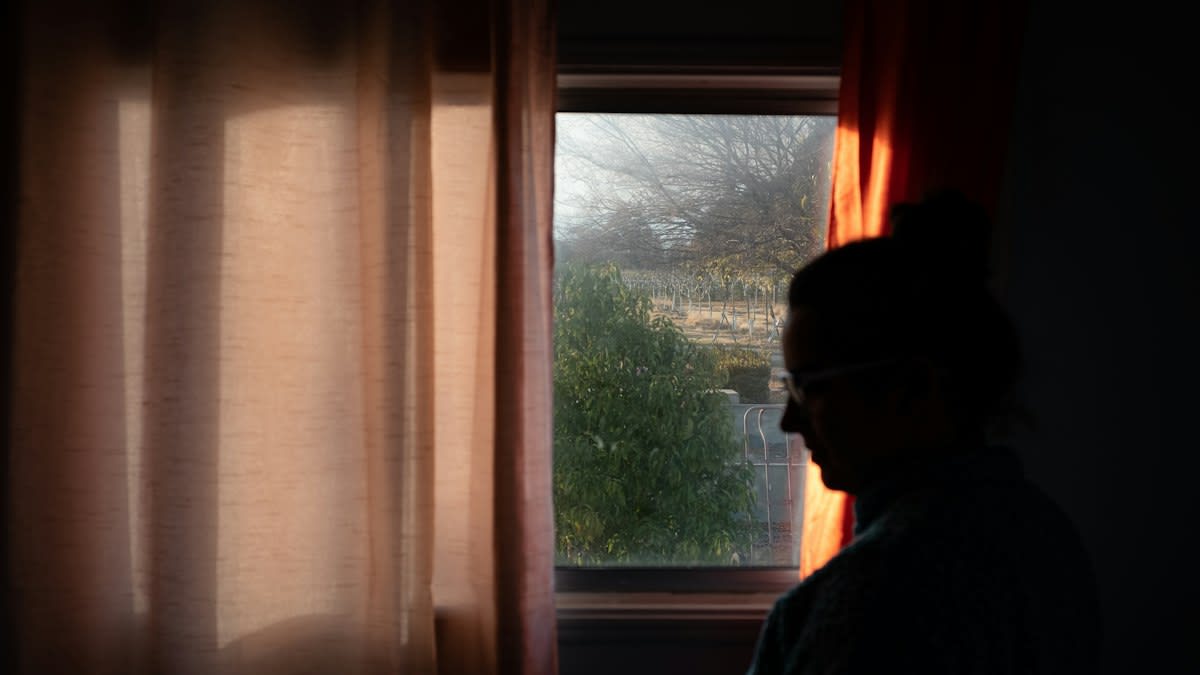
This is where the trend of biological age management becomes critical. If loneliness accelerates the clock, can muscle mass and physical vitality slow it down? The industry is currently obsessed with the idea that hypertrophy—building muscle—can act as a biological suture. While the provided data focuses on the 'leak' (loneliness), the broader movement in health is treating muscle as a metabolic reserve that protects the body from the brittle nature of aging.
Within the longevity community, there is a fierce internal dispute. One camp argues that epigenetic clocks are the only true measure of age. Another camp claims these clocks are too volatile, influenced by a single bad night of sleep or a temporary bout of stress. Practitioners on the ground see this friction every day. They struggle to convince patients that a 'biological age' score is a tool for adaptation, not a death sentence.
We see the superficial version of this trend in celebrity news. Trisha Yearwood's rapid weight loss, for example, captures headlines for its aesthetic impact (Source: Derby Anglican, 2026). But for the investigative eye, the real story is the biological shift happening beneath the skin. Weight loss is a change in size; biological age reversal is a change in cellular function. The former is a dress size; the latter is a lifeline.
Can we reverse the damage? The data suggests that because biological age acceleration is only a partial driver of mortality, there are multiple points of intervention. We must address the psychological void of loneliness and the physical void of inactivity. When these two collisions are managed, the body regains its grip on its own timeline.
Fact-Check & Accuracy Note
The findings from the UK Biobank study emphasize that loneliness and social isolation are distinct. Loneliness is the subjective feeling of being alone; isolation is the objective lack of contact. The study found that biological age acceleration is a mediator, but not the primary driver, of death in these groups, with only 5.2% to 7.2% of the link being attributable to this specific mechanism.
The future of medicine is not the eradication of age, but the management of its speed. We are learning to map the web of factors—from social ties to muscle density—that determine whether we age with grace or collapse prematurely. The goal is no longer to live forever, but to ensure that our biological age remains in sync with our chronological one.