‘Mr. Veto’: Trump touts ‘ultimate power’ if Democrats win Congress in midterm elections
Source Entity
Latest News: Todays Latest News Headlines from India & World | Hindustan Times
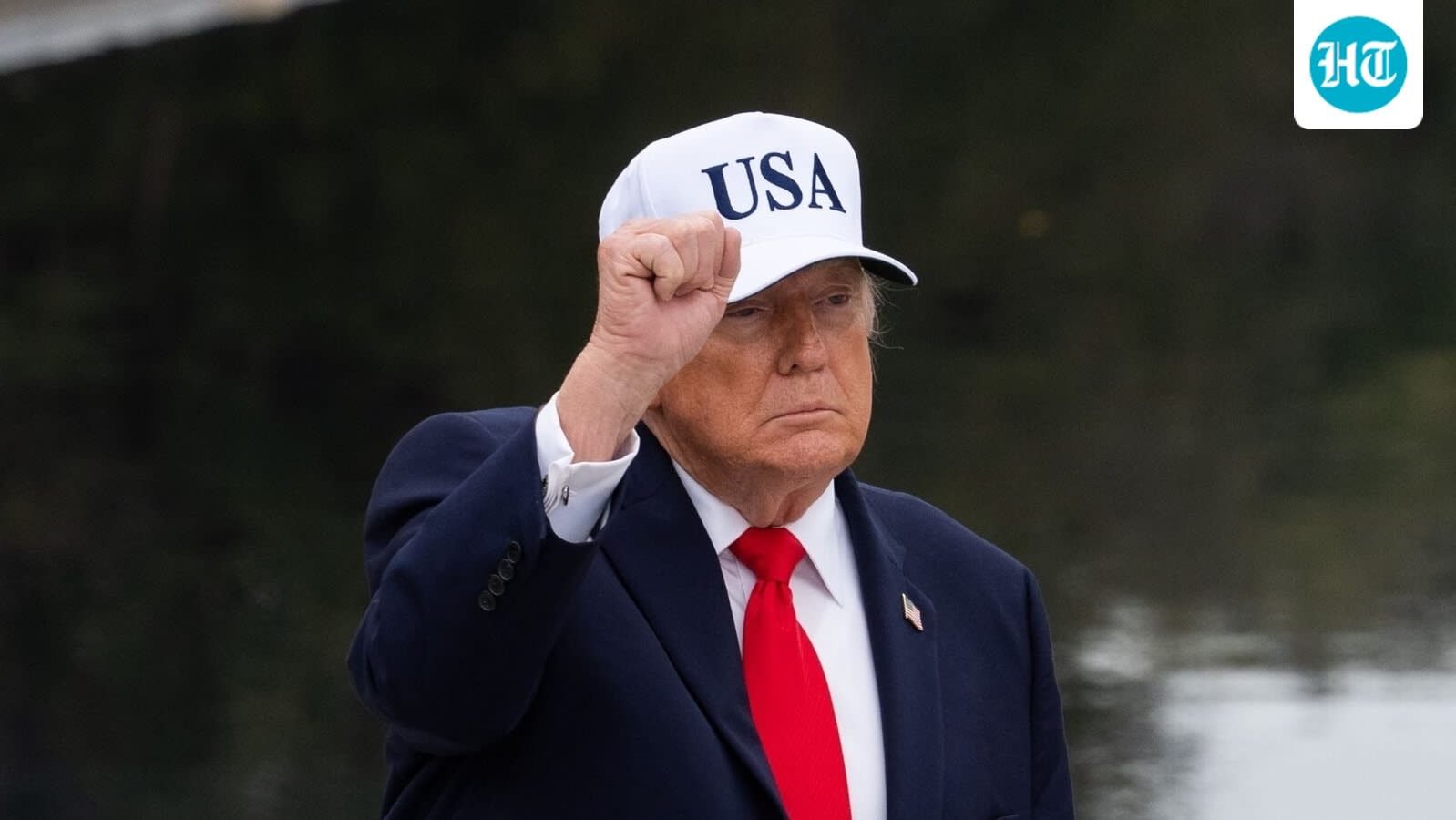
President Donald Trump has signaled a dual approach to a potential Democratic-led Congress, publicly offering cooperation while emphasizing his intent to use veto power. His strategy hinges on leveraging expanded executive authority and recent judicial precedents to maintain his agenda's momentum.
The Strategy of the Veto: Navigating a Divided Government
As the 2026 midterm elections unfold, President Donald Trump has articulated a clear, albeit bifurcated, strategy for managing a potentially hostile Congress. While public statements suggest a willingness to engage in bipartisan cooperation, the underlying reality of his administration’s approach points toward a heavy reliance on the constitutional veto power. By embracing the moniker “Mr. Veto,” the President is signaling to his base and political opponents alike that he intends to remain the primary driver of policy, regardless of the legislative composition of the House and Senate.
The Shift Toward Executive Dominance
Throughout his second term, President Trump has increasingly leaned on executive actions to bypass legislative gridlock. This governing style reflects a broader trend in American politics where the executive branch seeks to consolidate power in the face of polarized congressional bodies. By utilizing executive orders, the administration can implement policy changes that would otherwise be stalled in committee, effectively shifting the locus of federal authority toward the Oval Office.
Judicial Foundations of Executive Power
Central to the President’s confidence in navigating a potential Democratic majority is the role of the judiciary. Recent Supreme Court rulings, specifically referenced in the context of “Trump v. Slaughter,” have provided a legal framework that appears to bolster the President’s interpretation of his executive authority. These judicial precedents serve as a shield, protecting the administration’s actions from legislative interference and providing a degree of immunity that allows for more aggressive governance strategies.
The Paradox of Cooperation and Conflict
There is a notable tension between the President’s public outreach and his digital signaling. While he has expressed an openness to working with Democrats to the New York Times, his simultaneous post on Truth Social—featuring a hat emblazoned with the word “VETO”—suggests that his primary operational mode remains defensive. This performative contradiction is a hallmark of modern political communication, designed to maintain a facade of moderation for the general public while signaling unwavering resolve to his core supporters.
Implications for the Final Two Years
If Democrats secure control of one or both chambers of Congress, the final two years of the Trump presidency are likely to be defined by institutional friction. The legislative process will almost certainly grind to a halt on major policy issues, replaced by a cycle of bill passage by Democrats and subsequent vetoes by the President. This environment will force the administration to rely even more heavily on administrative rulemaking and executive mandates to fulfill its campaign promises.
Looking Ahead: The Future of the Imperial Presidency
The reliance on the veto as a primary tool of governance marks a significant evolution in the relationship between the branches of government. By positioning himself as the final arbiter of legislative output, President Trump is reinforcing the concept of a strong, independent executive branch. As the midterm results are solidified, the nation is set to witness a high-stakes standoff that will test the limits of executive reach and the efficacy of the constitutional check-and-balance system in an era of extreme political polarization.
Verification Required?