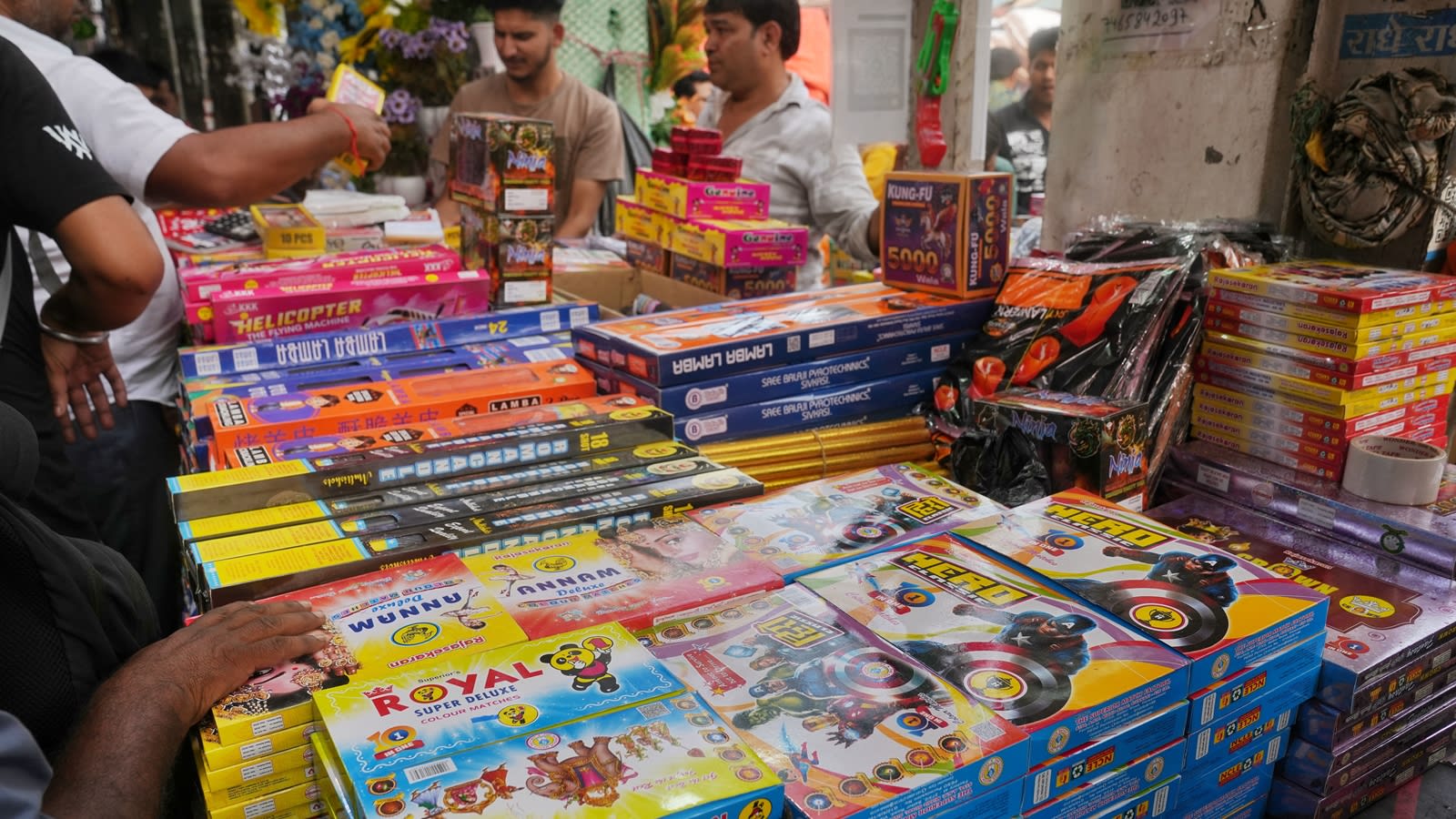
Day before sales are allowed, Sadar Bazar’s firecracker trade already buzzing
Source Entity
Alok Singh
The Supreme Court of India has ruled that protest sites cannot be occupied indefinitely, emphasizing the need to balance the right to protest with the rights of local traders. The court suggested a rotational system for protest venues to protect the livelihoods of vendors affected by ongoing demonstrations in Delhi.
The Judicial Balancing Act: Protests vs. Public Interest
The Supreme Court of India, led by Chief Justice Surya Kant, has intervened in the ongoing friction between protest groups and local business interests in New Delhi. The core issue revolves around the indefinite occupation of public spaces, which traders argue has severely hampered their ability to conduct business, particularly during the critical festive season. The court’s observation that "you can't occupy a site for all times" underscores a burgeoning legal framework aimed at regulating the geography of dissent in the capital.
The Economic Impact on Local Livelihoods
Traders’ counsel highlighted the plight of approximately 50 lakh residents and business owners surrounding protest sites, noting that shops have been forced to remain shut due to the ongoing demonstrations. The court acknowledged the gravity of this claim, expressing sympathy for the rights of small traders, hawkers, and push-cart vendors. By recognizing that the right to trade is a fundamental source of livelihood, the judiciary is signaling that the "right to protest" is not an absolute right that can override the economic survival of local communities.
The Concept of the 'Protest Economy'
Interestingly, the Supreme Court introduced the nuance of a "protest economy," acknowledging that while large commercial establishments suffer, some enterprising hawkers and vendors often see increased earnings due to the footfall at demonstration sites. This observation highlights the complex socio-economic reality of protests in India, where the presence of large crowds creates a localized micro-economy. However, the court maintained that even this phenomenon does not justify the permanent seizure of public land.
Regulatory Shifts in Delhi’s Protest Landscape
This judicial intervention follows significant administrative changes in Delhi. Following the Cockroach Janta Party’s march on July 20, the Delhi Police denotified Jantar Mantar as a protest site on October 12, redirecting gatherings to venues like Ramlila Maidan, Burari Ground, and CBD Ground. The recent protests surrounding the call for the resignation of Chief Election Commissioner Gyanesh Kumar have tested the efficacy of these new designated zones, leading to the current legal impasse.
Toward a Sustainable Protest Framework
Looking forward, the Supreme Court’s insistence on a "designated period" for protest sites suggests a shift toward a rotational or time-bound policy. By proposing that venues be made available for specific durations, the court aims to institutionalize a system that prevents any single group from creating a permanent blockade. This approach seeks to harmonize the constitutional right to expression with the practical requirements of urban governance and the economic stability of the city's inhabitants.
Conclusion: A Precedent for Future Dissent
Ultimately, the Supreme Court’s remarks serve as a critical reminder that urban space in a densely populated city like Delhi is a finite, contested resource. As the judiciary continues to refine the balance between civil rights and public order, the upcoming guidelines for protest duration will likely set a lasting precedent. The objective remains clear: protecting the democratic right to dissent without paralyzing the essential commercial functions that sustain the city's population.
Multiple Citing Sources