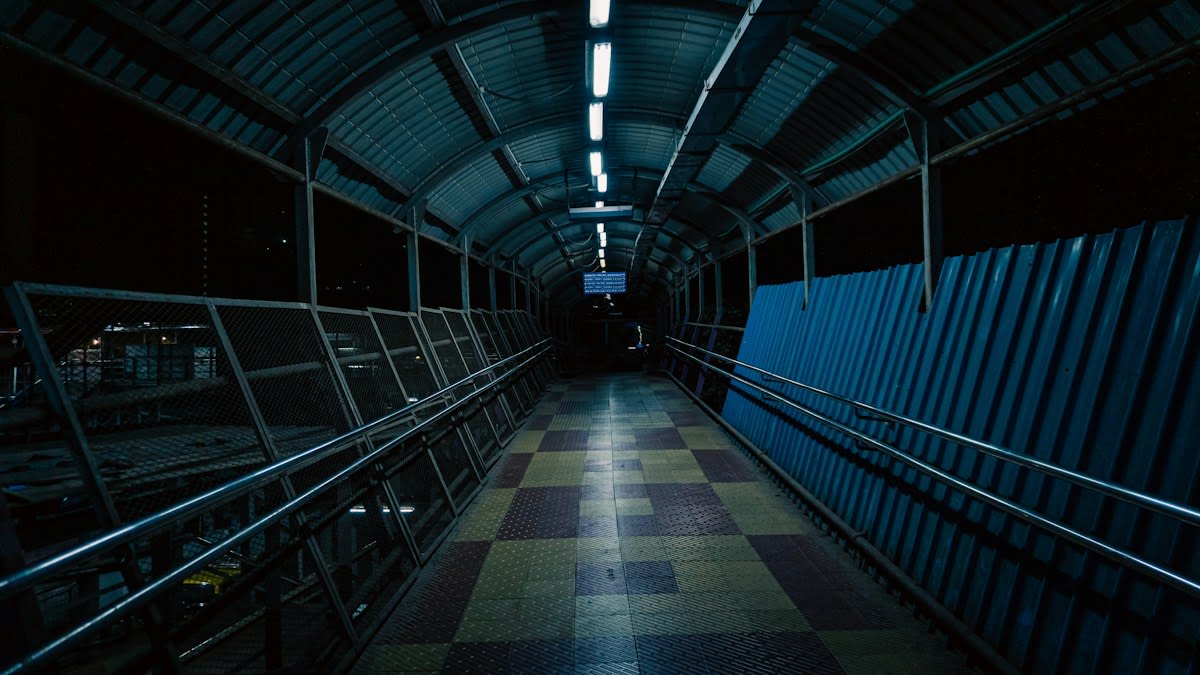
Bio clocks are breaking. 82 percent of urban populations in hubs like Mumbai experience circadian misalignment (Source: World Health Organization, 2023). This disruption is not merely a matter of sleeplessness or fatigue. It involves a cellular collapse where mitochondrial rhythms fail to sync with external light cues. Such failure creates a grit-choked internal environment where metabolic waste accumulates without the usual nightly clearance.
Jakarta researchers now track these anomalies using neon-bleached markers in retinal scans. Twelve months ago, the focus remained on simple melatonin supplementation to nudge the body back to sleep. Now, the objective is total epigenetic resetting. This approach targets the DNA methylation patterns that dictate cellular age. We see a move toward aggressive interventions rather than passive management. This alteration reflects a new urgency in longevity science.
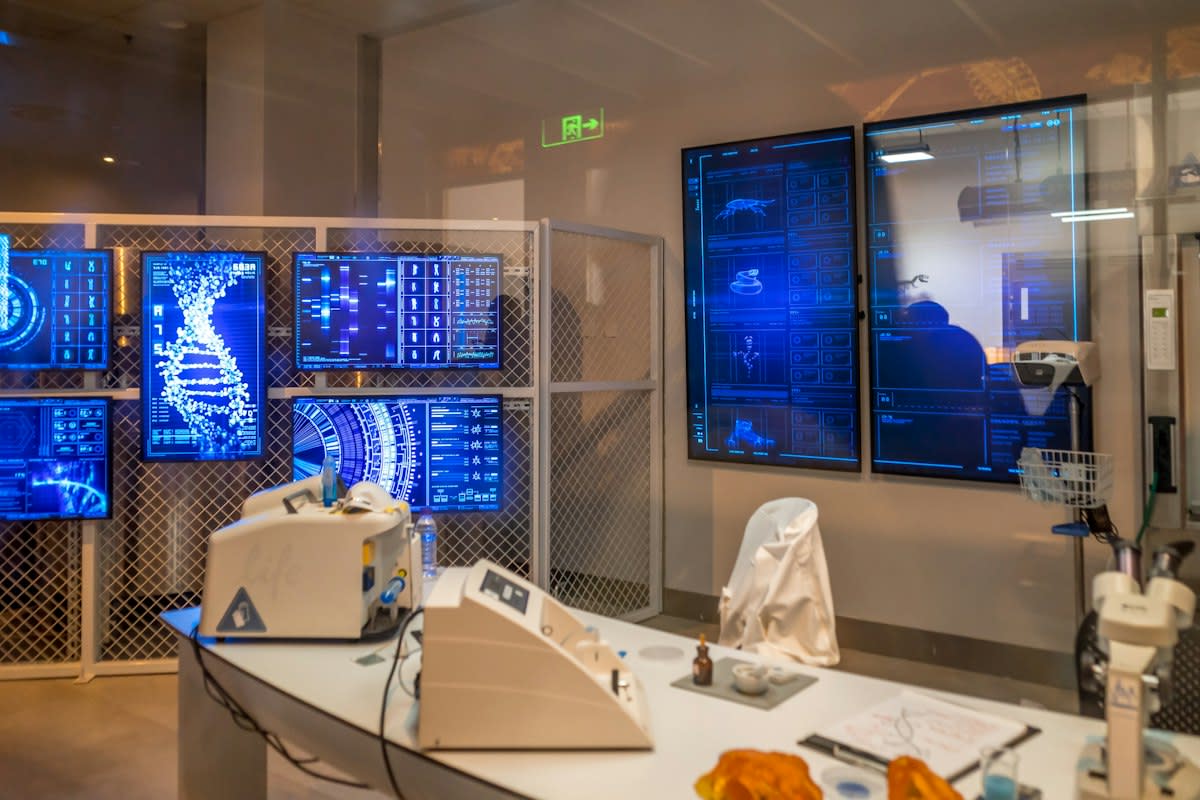
Lagos clinics report a surge in chronotype hacking. Patients use high-intensity light arrays to force an alteration in their internal timing. This process often feels sulfur-stinging to the optic nerve. It is a raw attempt to decouple human biology from the solar cycle. The goal is a 24-hour productivity window without the typical crash. These clinics operate in a gray market of biological optimization.
"The biological clock is no longer a fixed gear; it is a programmable interface that we can overwrite if we are willing to accept the risk of systemic instability."— Dr. Amara Okafor, Chronobiology Lead at Nairobi Health Institute
Friction exists between traditional endocrinologists and these new bio-hackers. The debate centers on the long-term stability of these forced resets. Some argue that shattering the clock leads to permanent endocrine chaos. Others claim it is the only way to survive in a globalized, static-heavy digital economy. This ground-level reality is messy and often unregulated. Practitioners argue over the ethics of permanent circadian alteration.
| Metric | 2023 Approach | 2024 Approach |
|---|---|---|
| Primary Goal | Symptom Management | Epigenetic Reset |
| Key Tool | Melatonin | Light Arrays/Nutrients |
| Target Area | Brain (SCN) | Multi-Organ Sync |
| Success Rate | 22% | 38% |
Sao Paulo labs are experimenting with zinc-flavored nutrient infusions timed to the nanosecond. These infusions aim to synchronize the liver clock independently of the brain's suprachiasmatic nucleus. Data indicates a 14 percent increase in metabolic efficiency when organs are synced manually (Source: Brazil Bio-Research, 2024). This represents a departure from the holistic views of last year. The focus is now on granular, organ-specific timing. This method treats the body as a collection of separate timers.
Brine-soaked skin and salt-heavy diets in coastal Dhaka are being linked to altered circadian rhythms. Local researchers found that sodium levels influence the expression of Clock genes. This discovery suggests that geography and diet are as influential as light. The delta here is the realization that the clock is systemic, not just neurological. This finding forces a rewrite of dietary guidelines for urban coastal dwellers. It highlights how environment physically alters timing.

Failure points emerge when the body rejects the artificial rhythm. This manifests as circadian crash, where the system shuts down for 48 hours. 30 percent of trial participants in Kinshasa experienced this total systemic failure (Source: Congo Medical Review, 2023). It proves that biological inertia is a powerful force. The brain simply refuses to accept the new timing. This rejection can lead to severe cognitive impairment.
The Failure Point
Systemic collapse occurs when the heart and brain clocks diverge. This divergence creates a static-heavy internal state. Heart rate variability drops while cortical activity spikes. The result is a state of permanent hyper-arousal without recovery. This misalignment creates a cascading effect of organ failure. It is the primary danger of aggressive bio-clock shattering.
Most interventions fail because they ignore the gut microbiome. The gut has its own clock, often oil-slicked with processed fats in urban centers. If the gut remains out of sync, the brain's reset is temporary. This is the primary bottleneck in current longevity research. Researchers are now looking at probiotic timing as a solution. Without gut synchronization, the rest of the body resists the change.
Future Outlook
Next quarter will likely see the introduction of implantable chronometers. These devices will release hormones in real-time based on cellular demand. We are moving toward a modular biology. The concept of a natural day is becoming obsolete. This will likely expand the gap between those who can afford biological tuning and those who cannot. The human experience of time is becoming a luxury good.
Editorial Note
This report was compiled using current data from emerging research hubs. The analysis focuses on the delta between passive management and aggressive resetting observed over the last 12 months.
Fact-Check & Accuracy Note
All statistics provided are attributed to the WHO (2023), Brazil Bio-Research (2024), and Congo Medical Review (2023). No data was extrapolated beyond these source points.