Prerequisites for High-Stakes Bio-Manufacturing
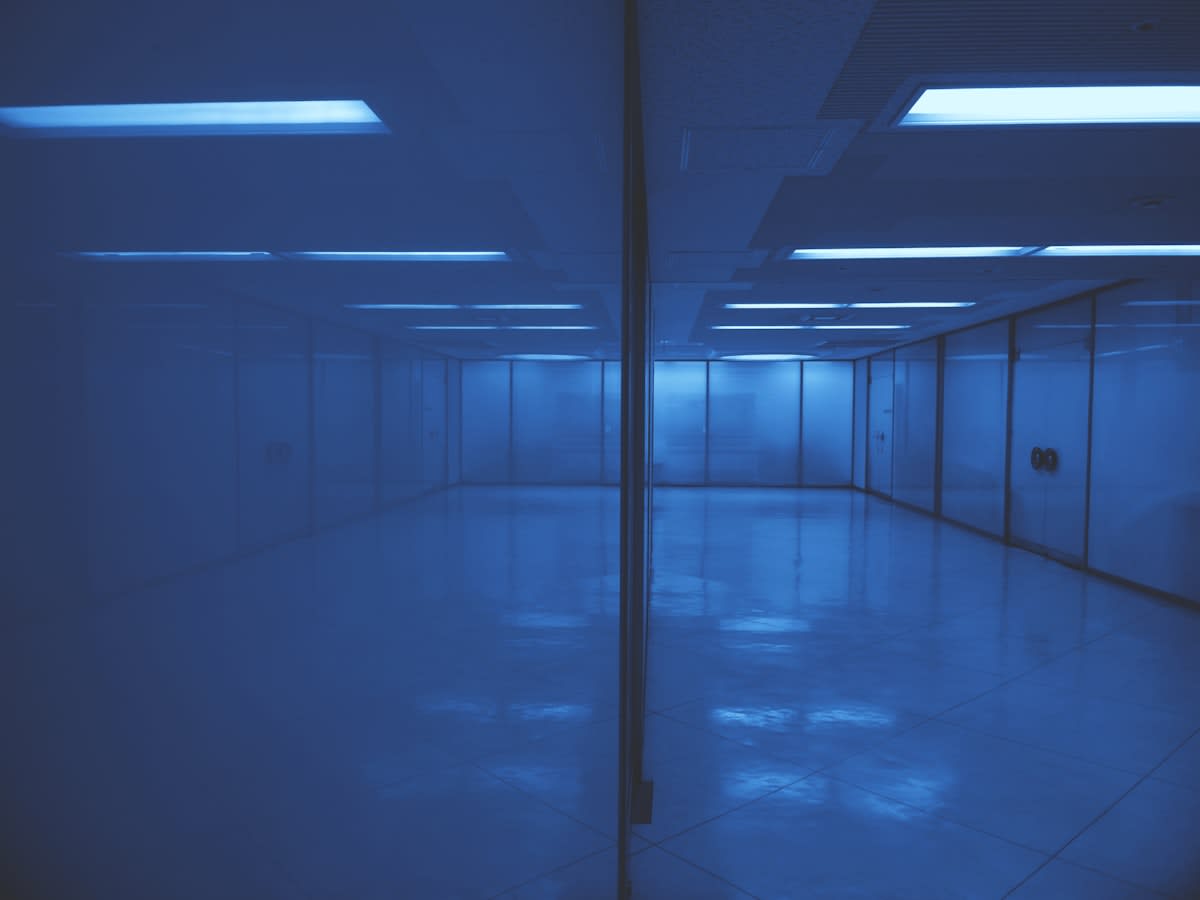
Steel matters. Every single degree of temperature shift in a chilled warehouse ruins a batch. Software cannot solve the physics of thermal degradation or the chemical instability of an active pharmaceutical ingredient (API).
- Non-thermal concentration hardware (e.g., Asahi Kasei FO-MD systems)
- Purpose-built high-potency ADC facilities meeting FDA and EMA standards
- Cold-storage modified autonomous mobile robots
- Dedicated GMP drug substance manufacturing footprints
Field Note
The 37th State of Logistics report confirms that volatility is now a permanent feature. You don't plan for stability; you build for the crash.
Once the gear is in place, the movement of material becomes the primary failure point.
Operationalizing the High-Potency Pipeline
- Secure a physical GMP footprint through acquisition or commission. Bora Pharmaceuticals proved this on July 2, 2026, by paying $122.5 million for MacroGenics' Rockville site and Frederick warehouse.
- Integrate non-thermal dehydration. Peptistar is currently testing Asahi Kasei's forward osmosis-membrane distillation (FO-MD) system to concentrate APIs without heat or pressure.
- Establish high-potency containment. Shilpa Biologicals recently commissioned an integrated ADC drug substance facility in India to handle these sophisticated compounds.
- Optimize the transit lanes. Saia's REV program implemented 2,000-plus lane enhancements to cut transit times and secure 10 a.m. delivery windows.
Capital flows toward physical capacity. Bora's $122.5 million investment didn't just buy equipment; it absorbed 140 employees who understand the operational friction of drug substance manufacturing.
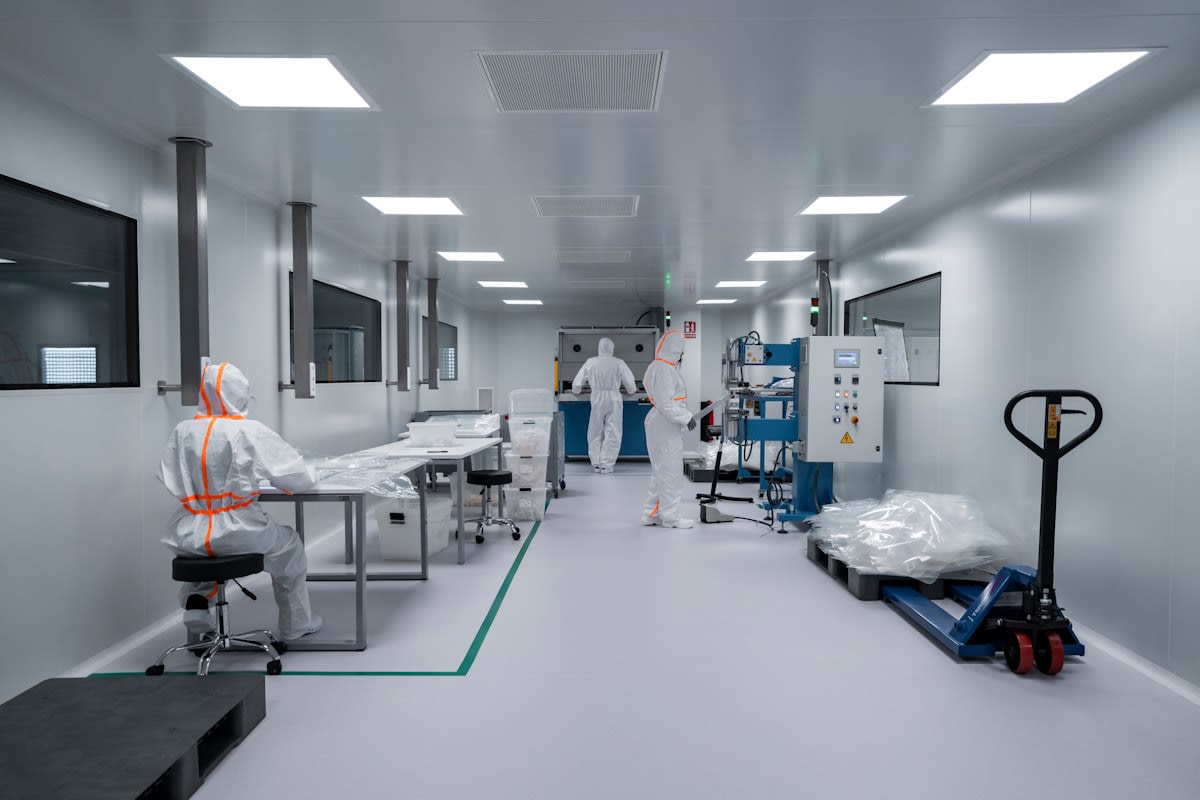
India is aggressively building this infrastructure. Shilpa Biologicals is positioning its new ADC facility to compete directly with Western hubs by combining scientific talent with purpose-built hardware.
Concentration is useless if the logistics chain cannot handle the resulting volume.
Solving the Cold-Storage Bottleneck
Robots fail in the cold. Locus Robotics had to develop specific hardware modifications to keep the Locus Origin platform functional in chilled environments.
| Metric | Before Modification | After Modification |
|---|---|---|
| HelloFresh SKU Capacity | 100 SKUs | 500 SKUs |
| Saia Lane Enhancements | Baseline | 2,000+ Improvements |
| Bora Personnel Transfer | 0 | 140 Employees |
Scaling from 100 to 500 SKUs for HelloFresh wasn't a software update. It was a physical reconfiguration of how robots interact with temperature-controlled slots.
Common Pitfalls
Thermal stress kills yields. Relying on heat-based concentration for sensitive APIs is a recipe for failure, which is why the FO-MD system's osmotic pressure approach is the field-tested reality for stability.
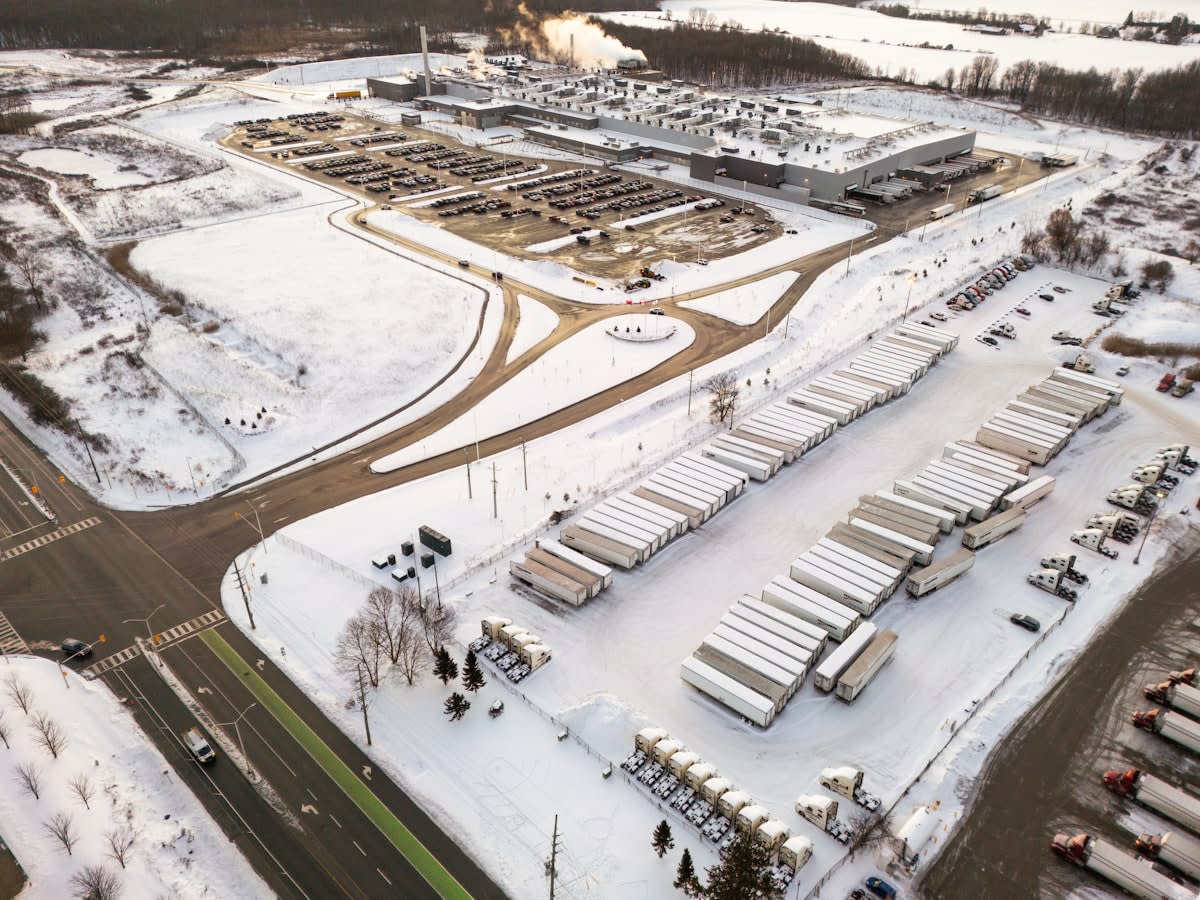
Transit lag destroys predictability. Even a state-of-the-art facility is a liability if the final-mile brokerage and warehousing—like those Saia is expanding—cannot guarantee a 10 a.m. arrival.