
The pharmaceutical industry is obsessed with the upstream. We pour billions into CRISPR, AI-driven protein folding, and synthetic biology to create the perfect therapeutic molecule. Yet, the most sophisticated molecule is worthless if it remains trapped in a fermentation vat or degrades during the attempt to isolate it. This is the downstream processing trap: the gap between creating a substance and recovering it at a purity and scale that makes it commercially viable. Why does a discovery that works in a controlled lab environment suddenly become a financial liability when moved to a factory floor?
The answer lies in the physics of recovery. On July 14, 2026, a research team from KAIST, led by Distinguished Professor Sang Yup Lee, exposed the precise bottlenecks hindering the commercialization of biomanufacturing. Their analysis focuses on bio-based chemicals like polyhydroxyalkanoates (PHA), which are intended to replace conventional plastics in medical and packaging fields. The problem is not that we cannot make PHA; it is that the cost of recovery is so high that it strips away any competitive pricing advantage. We are essentially building high-tech engines but trying to fuel them with a delivery system that leaks half the gas before it reaches the cylinder.
The Materiality Trap
Downstream failure is often a result of intrinsic material properties that only manifest at scale. Take the archetypal polymer P(3HB). In a lab, it is a miracle of bio-engineering. In an industrial reactor, it is a nightmare. P(3HB) is highly crystalline and becomes brittle as it ages, creating a physical profile that resists standard recovery methods. When engineers attempt to isolate the polymer, they encounter a devastatingly narrow window between its melting point and its decomposition temperature. If the temperature is too low, the material won't move; if it is slightly too high, the molecule destroys itself.
The Thermal Bottleneck
The failure of PHAs as 'drop-in' replacements for conventional plastics is not a failure of chemistry, but a failure of thermal stability during the recovery phase. The narrow thermal window makes industrial-scale processing an exercise in extreme risk.
This instability forces manufacturers into a costly trade-off. They must either invest in hyper-precise thermal control systems—which drive up capital expenditure—or accept lower yields and higher impurity levels. The KAIST team argues that this is why many bio-based medicines fail to exit the pilot stage. The industry attempts to force these materials into existing manufacturing templates designed for stable, small-molecule drugs. Instead of adapting the process to the molecule, we try to bend the molecule to the process, and the molecule breaks.
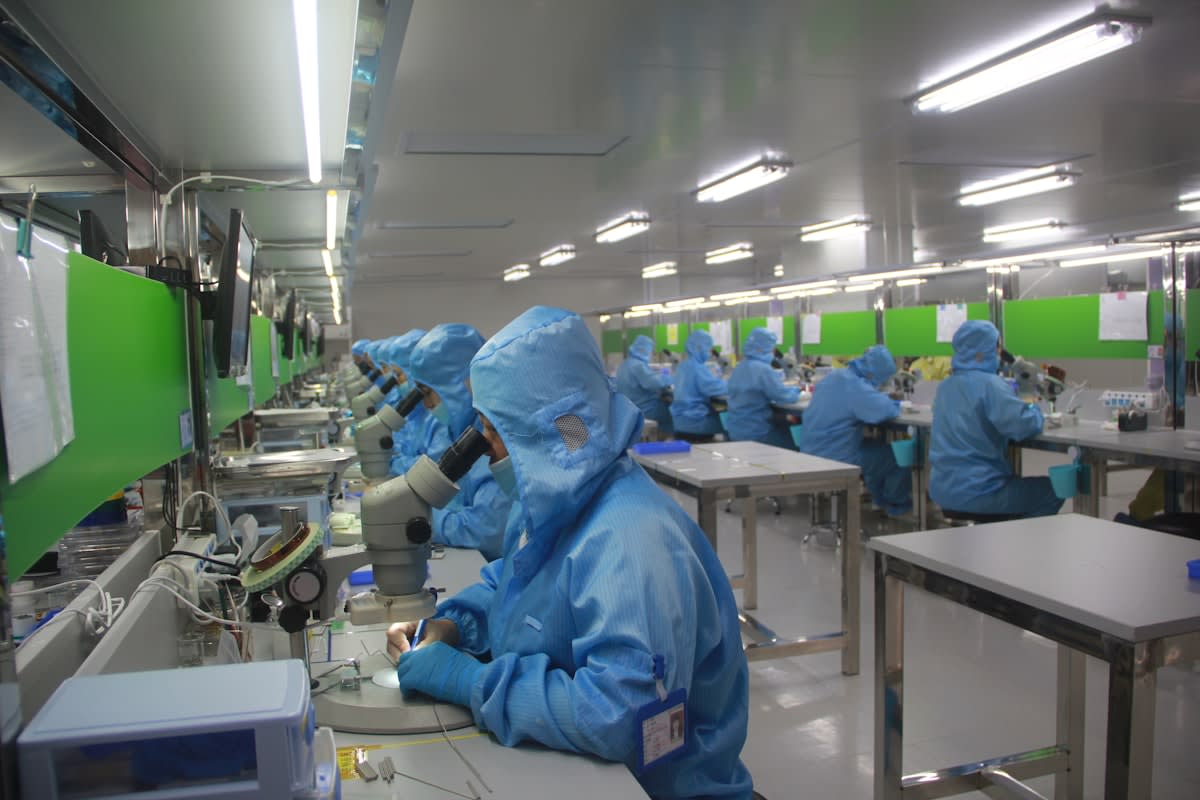
Does this mean the bio-revolution is stalled? Not necessarily, but it requires a strategic admission: the 'recovery' phase is actually the 'innovation' phase. The KAIST team proposes a phased approach, suggesting that these high-cost, high-difficulty materials should first be applied to high-value fields—such as specialized medical applications and food packaging—where the market can absorb the initial recovery premiums. Only after the downstream process is simplified can these materials expand into general-purpose markets.
This shift in thinking moves the goalposts from molecular discovery to industrialization strategy. If the recovery cost is the primary barrier, then the most valuable intellectual property is no longer the sequence of the protein, but the method of its extraction.
The Centralization Fallacy
Beyond the chemistry, there is a structural failure in how we organize drug manufacturing. For decades, the industry has relied on massive, centralized plants. But centralization creates a fragility in the downstream chain. When a single site handles all fractionation and purification, any local failure halts the entire global supply. The FDA recognized this vulnerability on July 10, 2026, by proposing streamlined requirements for hub-and-spoke manufacturing models.
In a hub-and-spoke model, a central 'hub' manages the unified pharmaceutical quality system, while multiple 'spoke' units handle the actual production across different locations. This allows for distributed manufacturing, reducing the logistical nightmare of transporting unstable intermediate biologicals over long distances. By moving the 'spoke' closer to the raw material source, companies can potentially reduce the degradation that occurs during the earliest stages of downstream processing.
| Manufacturing Model | Quality Control Authority | Downstream Risk | FDA Regulatory Pathway |
|---|---|---|---|
| Centralized | Single Site | High (Single point of failure) | Standard |
| Hub-and-Spoke | Central Hub | Moderate (Distributed risk) | Proposed Streamlined |
| Third-Party Outsourced | Fragmented | Very High (Lack of direct authority) | Excluded from Streamlining |
The FDA's caution regarding third-party outsourcing is telling. The agency explicitly excluded the third-party model from its proposed streamlined registration because of the lack of a single team with direct authority over the quality system at each site. This confirms a hard truth: you cannot outsource the risk of downstream processing. If you do not own the quality system, you do not own the medicine. The 'hub' must have absolute control to ensure that the purification process is identical across every spoke.
This regulatory shift suggests that the future of medicine is not just about what we make, but where and how we purify it. Distributed manufacturing is an admission that the current centralized model is too rigid for the volatile nature of modern biologics.
Fractionation as a Strategic Asset
Nowhere is the importance of downstream mastery more evident than in plasma-derived medicinal products (PDMPs). Plasma fractionation—the process of separating plasma into its constituent proteins—is one of the most complex downstream operations in existence. It is not merely a chemical process; it is a strategic capability. On July 12, 2026, Takeda and the Indonesian Government announced a collaboration to strengthen the local plasma ecosystem, including a $30 million initial investment.
"By working closely with trusted global partner, future-ready healthcare systems... the first of its kind hub for plasma science able healthcare systems."— Ramjy Riad, Takeda
The core of this deal is not just the money, but the granting of a fractionation license by the Indonesian Ministry of Health. This license is the keys to the kingdom. Without the ability to perform fractionation locally, Indonesia would remain dependent on exporting raw plasma and importing finished medicines—a process that introduces immense risk and cost. By localizing the downstream processing, Takeda and Indonesia are essentially building a fortress of health resilience.
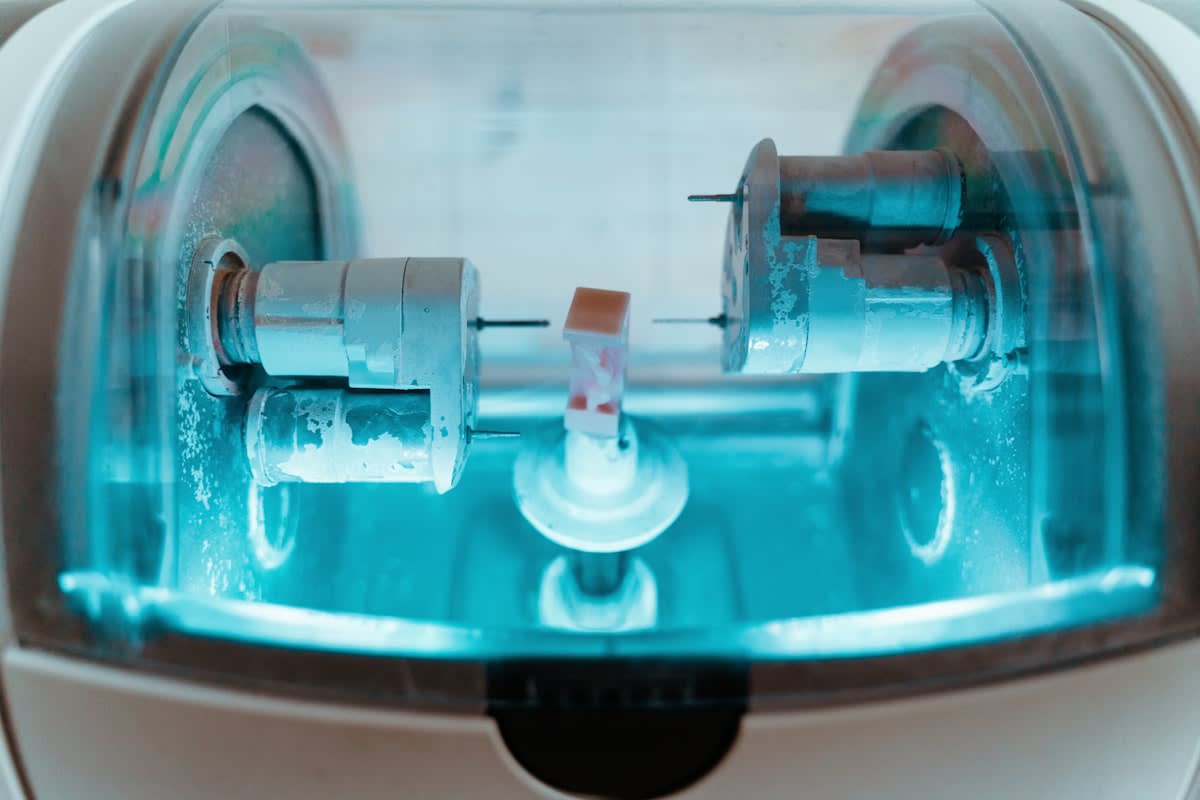
This collaboration illustrates the broader industry trend: the move toward regionalized downstream hubs. When the cost of recovery and the risk of transport become too high, the only solution is to bring the factory to the source. The $30 million investment is a bet that localizing the 'downstream' is more valuable than optimizing the 'upstream'.
But can we automate our way out of this? The KAIST team believes so. They are proposing an AI-driven strategy for industrialization to solve these bottlenecks. Instead of relying on trial-and-error in the lab, AI can analyze the complex interactions between material properties and recovery costs to find the most efficient path to commercialization. This is the real frontier: using AI not to find new drugs, but to find new ways to get existing drugs out of the vat.
The industry is finally waking up to the fact that the 'downstream' is where the real battle is won or lost. Whether it is the FDA's hub-and-spoke model, Takeda's investment in Indonesian fractionation, or KAIST's AI-driven recovery strategies, the focus is shifting. We are moving away from the era of the 'miracle molecule' and into the era of the 'efficient extraction.' The winners will not be the ones who discover the most proteins, but the ones who can recover them without breaking the bank or the molecule.