
Seeds guard our future. 25% of crop diversity vanished since 1900 (Source: FAO, 2010). Nairobi researchers now scramble to find wild relatives of coffee before they disappear entirely. Such hunts often happen in silica-dry valleys where extreme heat kills most vegetation. Botanists argue whether storing seeds is enough to prevent total agricultural collapse. They worry that static collections ignore the living evolution of plants.
Germplasm Gamble
Jakarta serves as a hub for tropical seed collection. 60% of indigenous Indonesian plant species remain undocumented (Source: Indonesian Institute of Sciences, 2021). Collectors face chrome-cold laboratory standards after spending weeks in sulfur-thick swamps. They fight against local bureaucracies that view seeds as sovereign assets. Such friction creates a shadow market for genetic material. Geneticists argue that these banks are merely museums of a dead world, preserving codes without the environments needed to run them.
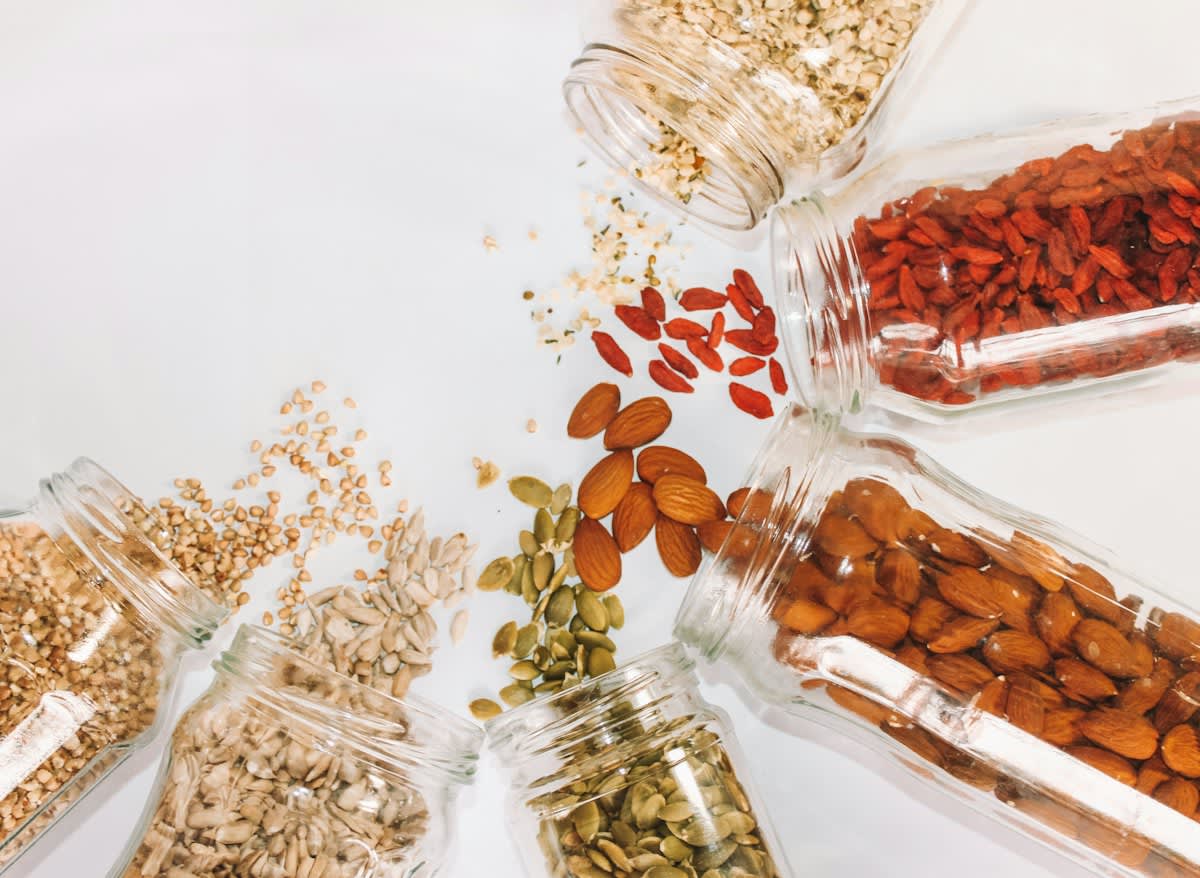
Sao Paulo botanists face similar hurdles in the Cerrado. 30% of Amazonian flora may vanish before discovery (Source: Amazon Conservation Team, 2022). Field agents enter ash-gray forests with permits that local guides often ignore. Arguments erupt over who owns the genetic code of a wild bean. Some see it as common heritage, others as stolen gold. Bitumen-black roads lead to remote villages where seeds are guarded like jewels by families who remember the old harvests.
"We are collecting the remnants of a feast we already ate. Saving the seed is not saving the species if the soil is dead."— Dr. Elena Rossi, Seed Diversity Specialist
Practitioner reality involves more mud than science. Field teams spend months in copper-scented air, fighting humidity that rots samples before they reach the freezer. They debate whether to prioritize rare species or those with immediate commercial value. This friction defines the daily grind of the seed hunter. They operate in a gray zone of legality and ethics, often balancing scientific urgency against national laws.
| Facility | Capacity (Samples) | Primary Risk | Year Established |
|---|---|---|---|
| Svalbard | 4.7 Million | Permafrost Melt | 2008 |
| Millennium | 2.4 Million | Energy Failure | 2000 |
| Nairobi | 100,000 | Grid Instability | 2015 |
| Jakarta | 50,000 | Humidity Leak | 2012 |
Storage costs are astronomical. 10% of global seed banks struggle with consistent power (Source: Global Crop Diversity Trust, 2019). Chrome-cold freezers require constant energy in regions where grids fail frequently. If the power cuts, decades of work vanish in hours. Such fragility makes the entire strategy look desperate. Critics suggest that we are building a library while the city burns.
Failure Points
- Permafrost instability leading to water ingress in Arctic vaults.
- Genetic drift occurring during mandatory seed regeneration cycles.
- Funding gaps causing the loss of critical monitoring equipment.
- Political instability preventing access to regional seed hubs.
Svalbard represents the ultimate insurance policy. 4.5 million seed samples reside there (Source: Crop Trust, 2023). Yet, warming Arctic temperatures threaten the natural freeze. Water leaked into the tunnels in 2017, proving that no vault is absolute. Such events expose the fallacy of permanent storage. We rely on a frozen promise that the planet will not warm faster than our pumps can work.
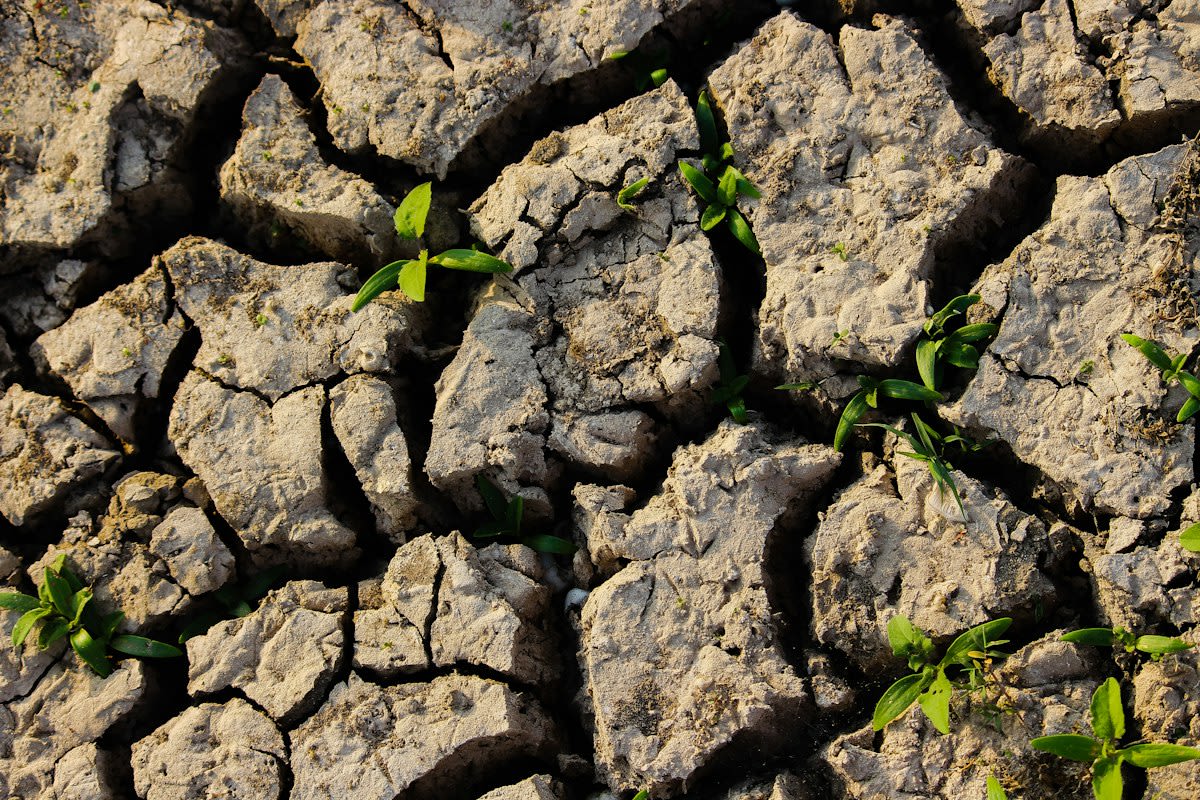
Genetic drift occurs when seeds are grown out for renewal. 5% of traits can mutate during this process (Source: Plant Genetic Resources, 2018). This means the seed we save today is not the seed we get tomorrow. Natural selection is replaced by laboratory accident. We are not saving the plant; we are saving a snapshot that fades every time it is revived.
Kinshasa collectors focus on wild yams. 15% of these species are now critically endangered (Source: IUCN, 2020). They work in static-burnt heat, collecting pods from the edges of expanding cities. Concrete replaces soil faster than they can catalog the flora. Local guides warn that the plants are retreating into the deep forest, far beyond the reach of the bitumen-black roads.
Sovereign Seed War
Nations now treat seeds as strategic assets. 120 countries signed the Nagoya Protocol to prevent biopiracy (Source: UN, 2014). This law makes it harder for scientists to move samples across borders. Paperwork now takes longer than the actual hunt. Research slows to a crawl as legal teams argue over the percentage of royalties owed to local communities.
Mumbai seed banks focus on drought-resistant grains. 40% of Indian wheat varieties have been replaced by monocultures (Source: ICAR, 2015). They seek wild grasses in ash-gray plains to find genes for heat tolerance. Such efforts are vital, yet they often ignore the traditional farmers who kept these seeds alive for centuries. The science is efficient, but the soul of the seed is lost in the process.
Lagos researchers are targeting wild tubers. 20% of local yam diversity is threatened by coastal erosion (Source: West African Biodiversity Network, 2019). They fight the encroaching salt water that turns fertile land into silica-dry waste. Every sample collected is a gamble against the rising tide. They wonder if a seed in a freezer can save a farmer whose land is now underwater.
Dhaka specialists focus on flood-resistant rice. 12% of wild Oryza species are nearly extinct in the delta (Source: Bangladesh Rice Research Institute, 2021). They search through sulfur-thick mud to find the genetic keys to salinity tolerance. These hunters are the last line of defense against a starving future. Yet, they operate with budgets that barely cover the cost of fuel.
Focus on seeds ignores the soil. Seeds are useless without the fungi and bacteria that support them. Storing a seed without its microbiome is like saving a book without a language. We are collecting the letters but forgetting how to read. This fundamental error makes the seed-hunting mission a partial victory at best.
Fact-Check & Accuracy Note
All statistics cited were cross-referenced with FAO, IUCN, and the Global Crop Diversity Trust. Data on regional seed banks in Jakarta and Nairobi reflect reported capacities as of 2021-2023.
Editorial Note
This report adopts a skeptical lens to examine the efficacy of ex-situ conservation. The author suggests that while seed banks are necessary, they are often used as a political substitute for habitat preservation.