Sharad Navratri 2026: When does it start and end, and what does it mean in astrology?
Source Entity
Latest News: Todays Latest News Headlines from India & World | Hindustan Times | Hindustan Times
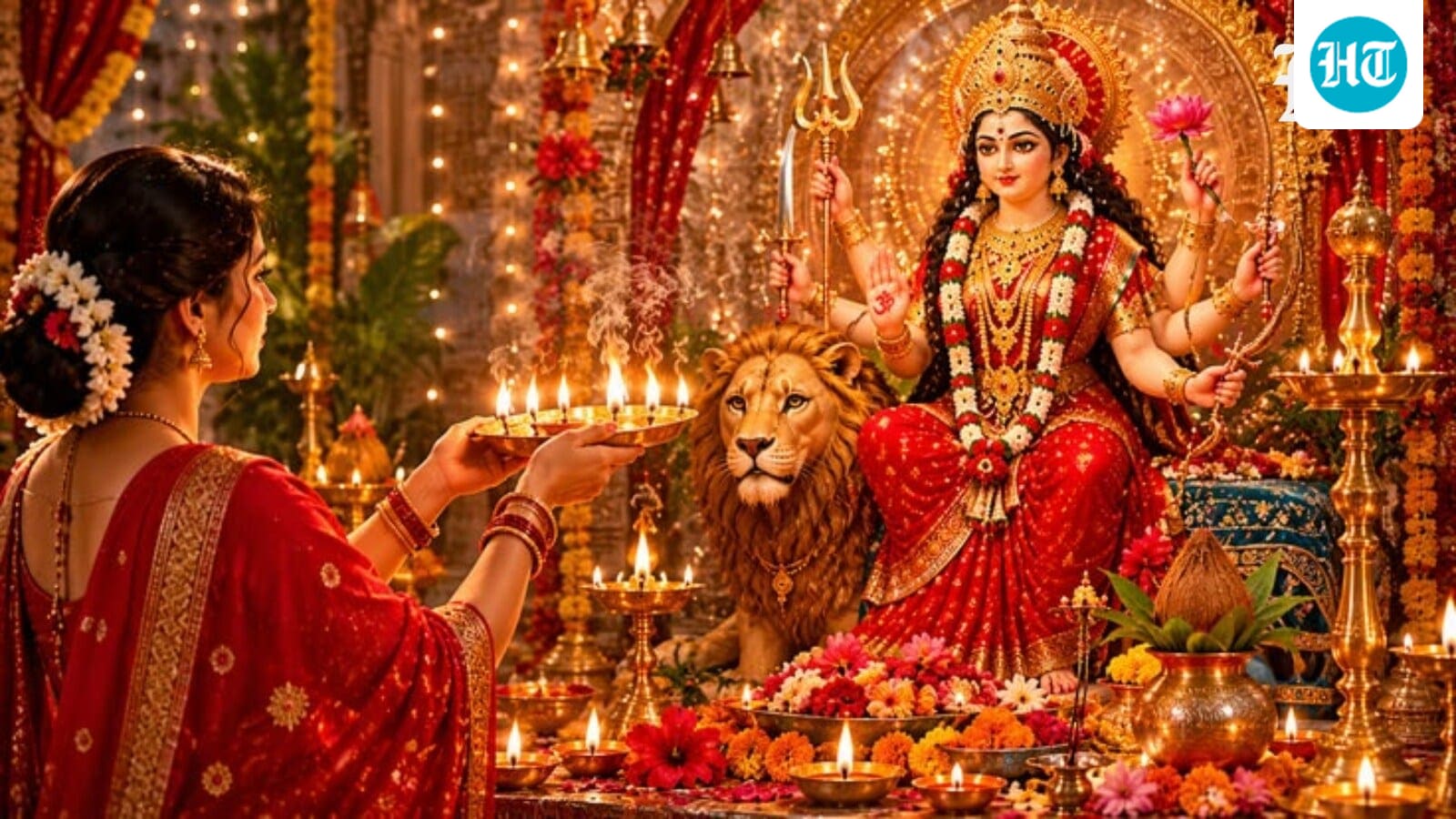
Sharad Navratri 2026 is scheduled to commence on October 11 and conclude on October 20 with the celebration of Dussehra. This nine-day festival honors Goddess Durga, encouraging spiritual reflection, inner stability, and the triumph of good over evil.
The Significance and Schedule of Sharad Navratri 2026
Sharad Navratri, a profound period of spiritual observance in the Hindu calendar, is set to be celebrated in 2026 from October 11 through October 20. This nine-day festival, which culminates in the auspicious day of Dussehra (Vijayadashami), serves as a cornerstone for devotees seeking renewal, devotion, and a deeper connection to the divine. By honoring the nine distinct forms of Goddess Durga, the festival acts as a cultural and religious bridge, grounding participants in centuries-old traditions while providing a framework for personal transformation.
Astrological and Spiritual Foundations
According to Vedic astrology and traditional almanacs like Drik Panchang, the timing of Navratri is deeply rooted in lunar cycles. The festival is not merely a series of rituals; it is viewed as a seasonal transition period that encourages the shedding of old habits and the pursuit of emotional well-being. Astrological experts emphasize that this time is specifically conducive to spiritual growth, as the celestial alignment is believed to support the inner work required for self-discovery and the victory of good over evil.
The First Day: Maa Shailputri and Grounding
The festival begins with the worship of Maa Shailputri, the first form of Goddess Durga. For spiritual seekers, this day is pivotal. Acharya Poonam Dutta, a noted astrologer, highlights that the essence of the first day is to 'slow down' and cultivate inner stability. By focusing on grounding oneself, devotees prepare the psychological and spiritual foundation necessary to navigate the more intensive introspective work that follows throughout the remaining eight nights.
Global Observance and Regional Considerations
While the core dates of October 11 to October 20 remain consistent, the practice of Navratri has become a global phenomenon, particularly within the Indian diaspora in the United States. Experts advise that those observing the festival outside of India must account for local time zones and specific Tithi timings. Because the auspiciousness of puja rituals is dependent on precise lunar markers, consulting local Hindu calendars is essential to ensure that ceremonies like Ghatasthapana are performed at the correct, scientifically and traditionally validated moments.
Broader Implications for Modern Devotees
In our fast-paced contemporary world, the call to observe Navratri resonates as an invitation to mindfulness. The festival structure—nine nights dedicated to specific manifestations of power and grace—allows individuals to compartmentalize their spiritual journey. Whether through prayer, meditation, or behavioral reflection, the event provides a structured environment for participants to address their emotional health and spiritual alignment in a way that is both meaningful and culturally rich.
Future Trends and Conclusive Summary
As we look toward 2026, the continued interest in Navratri suggests a growing global appetite for structured spiritual traditions that offer both community connection and individual solace. The festival remains a vital mechanism for preserving cultural identity while simultaneously evolving to meet the needs of modern seekers. By balancing traditional adherence to the Drik Panchang with the practical realities of a globalized world, Navratri continues to provide a timeless roadmap for those seeking to integrate ancient wisdom into their modern lives.
Verification Required?