SIR stir: 'Kashmir model' in Delhi, situation akin to Emergency, says opposition
Source Entity
TNN
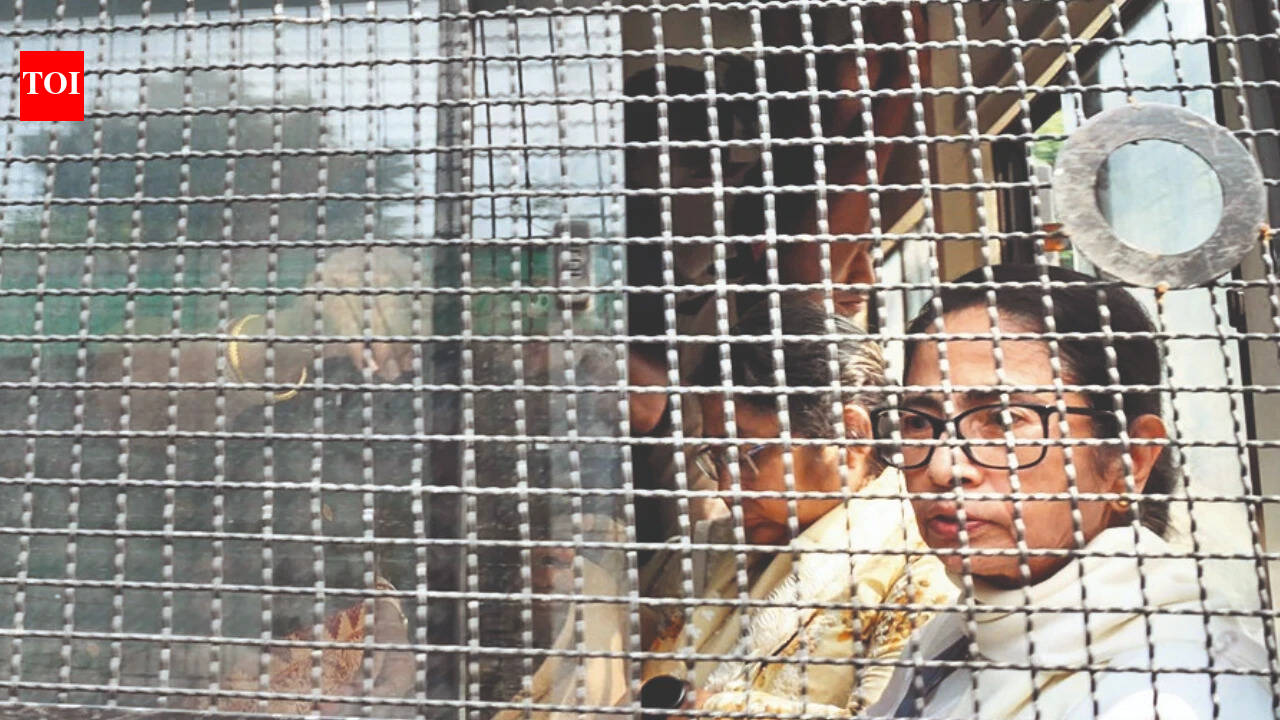
India has rejected the UN Human Rights Office's concerns over mass detentions during protests in New Delhi against the Chief Election Commissioner. The Indian government labeled the UN's statement as unwarranted interference, asserting that constitutional rights to assembly are balanced against public order.
Tensions Escalate Over Delhi Protests
Recent events in New Delhi have sparked a diplomatic friction point between the Indian government and the Office of the United Nations High Commissioner for Human Rights (OHCHR). The controversy stems from protests organized by the 'Cockroach Janta Party' (CJP), which has been demonstrating against Chief Election Commissioner Gyanesh Kumar over alleged irregularities in electoral rolls. The situation intensified following reports of mass detentions of these protesters by local authorities.
The UN's Position on Civil Liberties
The OHCHR issued a formal statement on October 10, 2026, expressing deep concern regarding the police handling of these demonstrations. The UN body emphasized that any restrictions placed on protesters must strictly adhere to the international legal standards of 'necessity and proportionality.' Furthermore, the OHCHR urged the Indian government to ensure the immediate and unconditional release of individuals they characterized as having been 'arbitrarily' detained, framing the issue as a fundamental matter of human rights and the right to peaceful assembly.
India’s Diplomatic Rebuttal
In a swift and sharp response, the Permanent Mission of India to the UN in Geneva categorized the OHCHR’s remarks as 'misplaced' and an 'unwarranted interference' in the nation’s internal affairs. The Indian government maintained that the right to peaceful assembly is a core tenet of the Indian Constitution. However, they clarified that this right is not absolute and remains subject to reasonable restrictions imposed in the interest of public order, which is a standard administrative procedure in any functioning democracy.
Institutional Safeguards and Sovereignty
Central to India's argument is the assertion that its domestic institutions—including an independent judiciary and a robust, free media—are fully equipped to handle such disputes without international oversight. By emphasizing that the country is the world’s largest democracy, the government frames the UN's intervention as an external misunderstanding of the complex balance between maintaining public order and protecting civil liberties within a sovereign state.
Broader Implications and Future Outlook
This incident highlights a recurring theme in international relations where global human rights watchdogs and sovereign nations clash over the interpretation of 'proportionality' in policing. As the CJP continues to call for further protests at Jantar Mantar, the situation remains fluid. The lack of information regarding the whereabouts of detained leaders continues to be a point of contention, suggesting that this diplomatic standoff may persist as long as the underlying electoral grievances remain unaddressed by the Election Commission.
Multiple Citing Sources