Another Houthi strike on Saudi capital within 48 hours? Explosions heard at Riyadh airport | MBS, War
Source Entity
Latest News: Todays Latest News Headlines from India & World | Hindustan Times | Hindustan Times
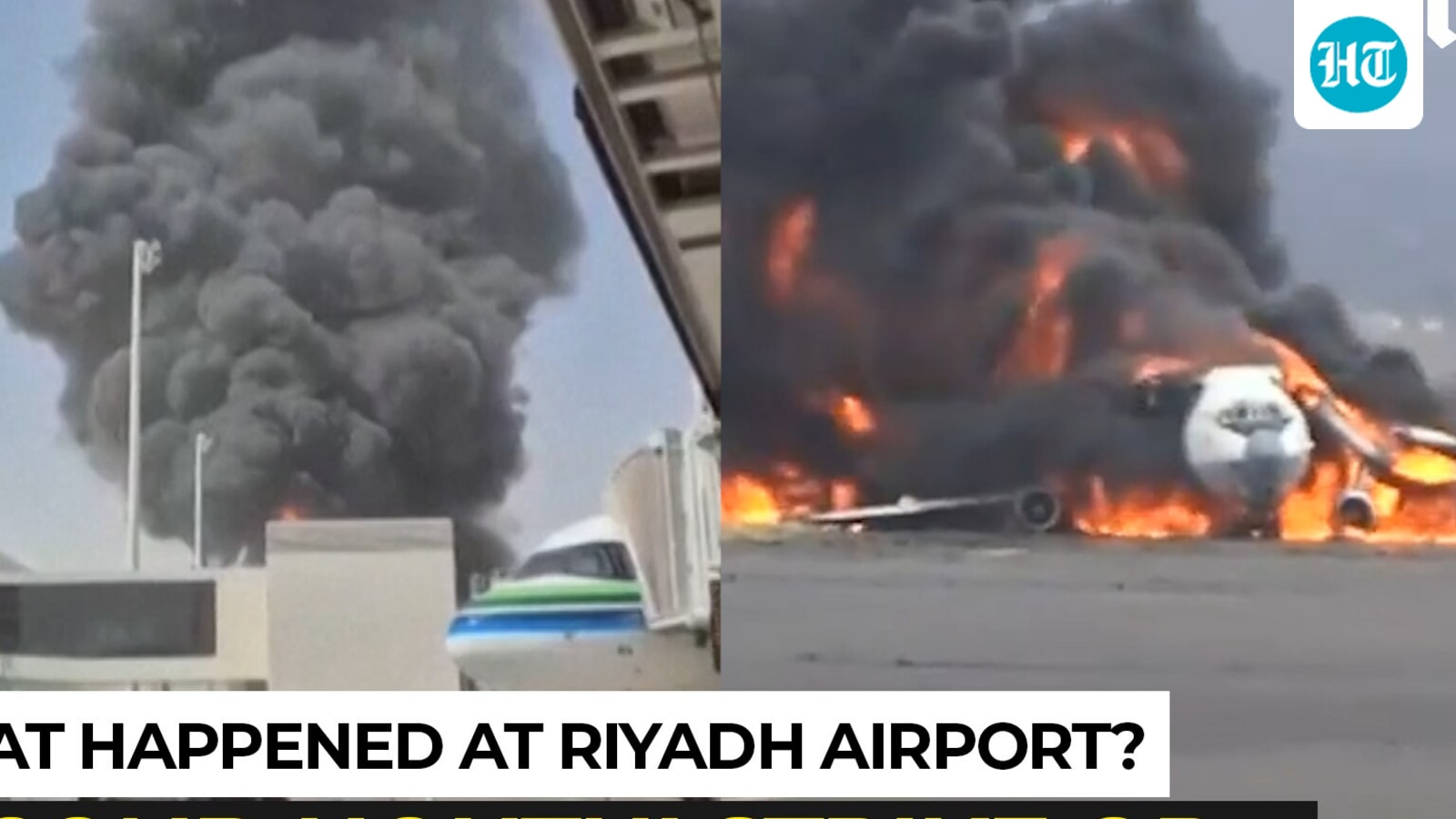
King Khalid International Airport in Riyadh has suspended operations and evacuated passengers following a missile strike by Yemen's Houthi rebels. The attack, which caused multiple injuries, marks a significant escalation in regional tensions linked to the broader Iran-Saudi conflict.
Escalation at King Khalid International Airport
On Saturday, King Khalid International Airport in Riyadh, Saudi Arabia, became the site of a significant security crisis following a missile strike that resulted in multiple injuries and forced an immediate suspension of air traffic. Reports indicate that smoke and flames were visible at the facility as emergency services, including over a dozen ambulances, rushed to the scene. This incident represents a dramatic escalation in the ongoing hostilities between the Saudi-led coalition and Yemen’s Iran-backed Houthi rebels.
The Security Vacuum and Operational Stoppage
The immediate impact of the strike has been the total cessation of aviation operations at the capital's primary international gateway. Airport officials, speaking on condition of anonymity, confirmed that the facility was evacuated to ensure the safety of passengers and staff. Airlines have responded by issuing flight cancellations, further isolating the capital as authorities scramble to secure the perimeter. Both the United States and the United Kingdom have issued urgent travel alerts to their citizens in the region, signaling the severity of the threat.
Contextualizing the Houthi Insurgency
This attack does not exist in a vacuum; it follows a pattern of increasing aggression over the past week. The strike occurred just two days after the deaths of three Saudi citizens, including a pilot, in a separate violent incident. These events underscore the emergence of a new, volatile front in the region, often characterized as a proxy conflict involving Iran. The Houthis, who have claimed responsibility for the assault, continue to utilize missile strikes as a strategic tool to challenge Saudi dominance and disrupt the kingdom's infrastructure.
Broader Geopolitical Implications
The targeting of a major international airport serves as a potent psychological and economic blow to Saudi Arabia. By striking critical civilian infrastructure, the Houthi rebels are effectively raising the stakes of the conflict, forcing the international community to re-evaluate the stability of the Gulf region. The persistence of these attacks, despite the kingdom's defensive measures, highlights the limitations of current security protocols against asymmetric warfare tactics like long-range missile barrages.
Future Trends and Regional Stability
Looking forward, the persistence of these strikes suggests that the conflict is entering a more dangerous phase. While Saudi officials have signaled that two major conferences will proceed as planned, the vulnerability of the nation's capital remains a primary concern for regional analysts. Future security trends will likely involve increased air defense deployments and further diplomatic pressure on Iran to curb the support provided to Houthi forces. The ability of the Saudi government to maintain operational continuity at its airports will be the ultimate litmus test for its regional defense strategy in the coming months.
Multiple Citing Sources
Verification Required?