‘Time for Ukraine to get a new president’: Trump turns up the heat on Zelensky over peace deal | US
Source Entity
Latest News: Todays Latest News Headlines from India & World | Hindustan Times | Hindustan Times
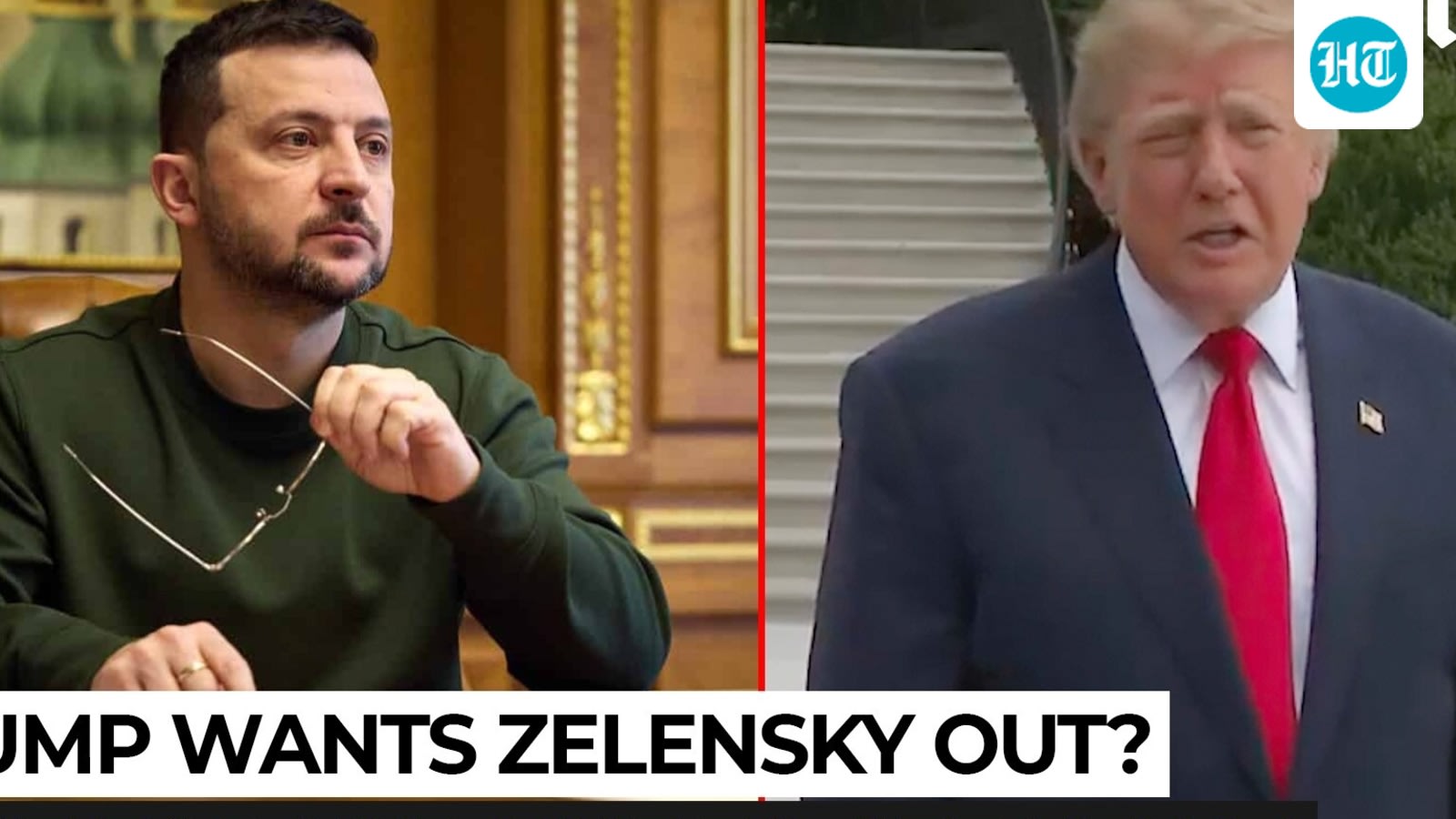
Donald Trump has publicly called for a change in Ukrainian leadership following his announcement of a diesel deal with Russia. President Zelenskyy has condemned this agreement, arguing that it provides financial support to Moscow's ongoing war efforts.
The Diplomatic Rift: Trump, Zelenskyy, and the Diesel Deal
Recent statements from former U.S. President Donald Trump have signaled a significant escalation in tensions between him and Ukrainian President Volodymyr Zelenskyy. Trump’s public declaration that it is "time for Ukraine to get a new president" marks a sharp departure from traditional diplomatic decorum, reflecting deep-seated disagreements regarding the ongoing geopolitical strategy concerning the Russia-Ukraine conflict. This rhetoric follows a controversial announcement by Trump regarding a deal he claims to have secured with Russia to facilitate a major release of diesel.
The Economic and Strategic Implications
The core of the current friction lies in the intersection of global energy markets and military funding. By allegedly facilitating the release of Russian diesel into the U.S. market, Trump has positioned himself as an intermediary in energy trade. However, this move has been met with fierce opposition from Kyiv. President Zelenskyy has explicitly condemned the deal, asserting that the economic benefits flowing back to Moscow serve as a direct mechanism for funding Russia's military operations against Ukraine. The disagreement highlights a fundamental clash between pursuing domestic energy price stability and maintaining a unified international sanctions regime against the Kremlin.
Historical Context of Sanctions and Energy Trade
Historically, the international community has utilized energy sanctions as a primary tool to curb Russia’s ability to finance its war machine. By targeting the sale of petroleum products, Western nations have sought to squeeze the Russian economy. Trump’s claim of securing a diesel deal suggests a potential recalibration of this strategy, prioritizing domestic supply chain needs. This development raises complex questions about the efficacy of current sanctions and whether the U.S. might be moving toward a policy of selective engagement with Russian energy markets.
A Shift in Transatlantic Relations
The rhetoric directed at President Zelenskyy suggests a potential future shift in U.S.-Ukraine relations should Trump regain executive power. By openly questioning the legitimacy or utility of the current Ukrainian leadership, Trump is signaling a move toward a more transactional foreign policy. This approach contrasts sharply with the current administration's stance of unwavering support for Kyiv, creating uncertainty for European allies who rely on a consistent U.S. position regarding the conflict.
Future Trends and Geopolitical Consequences
Moving forward, the rhetoric surrounding the diesel deal will likely dominate discourse regarding the war's economic dimension. If the U.S. continues to ease curbs on Russian energy, it could fracture the coalition of nations currently enforcing strict embargoes. Furthermore, the public nature of these attacks on President Zelenskyy suggests that the 2024 U.S. election cycle will be heavily influenced by debates over the duration and nature of American involvement in the conflict.
Conclusion
In conclusion, the situation represents a volatile intersection of domestic politics and international security. Trump’s insistence on a leadership change in Ukraine, coupled with the controversial diesel deal, underscores a significant divide in how the war’s economic consequences should be managed. As the conflict persists, the tension between energy independence and the moral imperatives of supporting Ukraine will remain a central and contentious theme in global politics.
Multiple Citing Sources
Verification Required?