Ladakh activist Sonam Wangchuk warns of fresh protest if detained people not released in Delhi
Source Entity
India Latest News: Top National Headlines Today & Breaking News | The Hindu
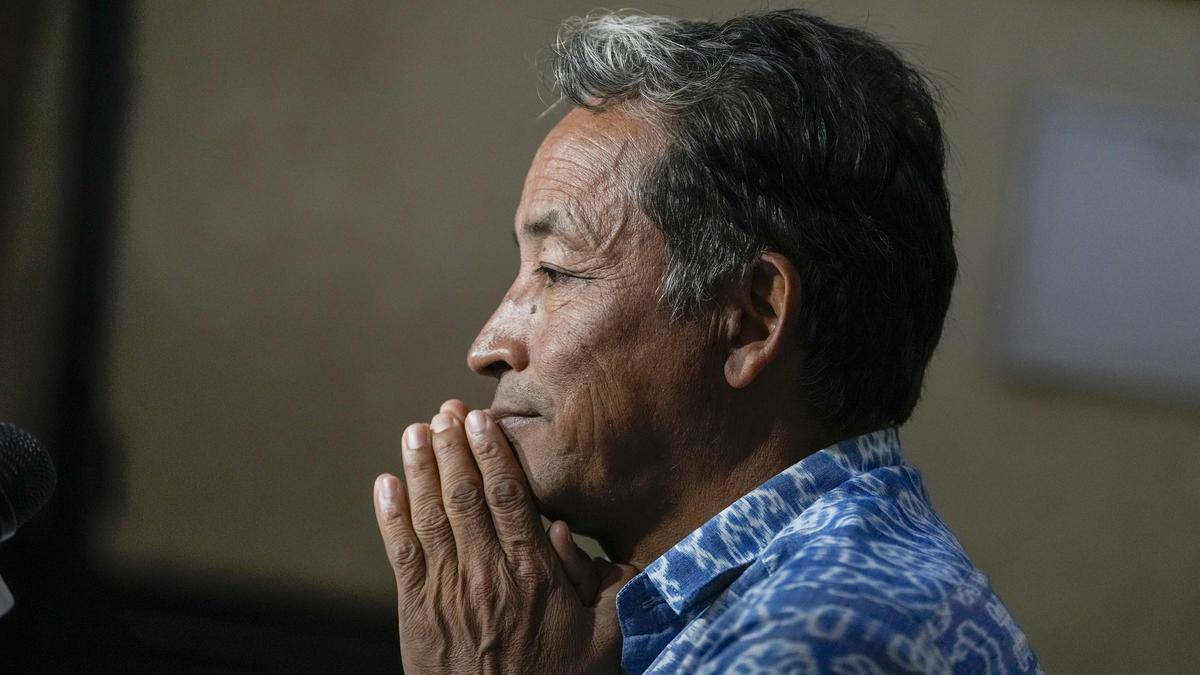
Activist Sonam Wangchuk has warned of a hunger strike or protest march following the detention of prominent political leaders and activists in Delhi. The detentions occurred ahead of a protest against the Election Commission, prompting Wangchuk to characterize the current political climate as an 'undeclared emergency'.
Tensions Escalate in the Capital: Sonam Wangchuk Calls for Release of Detainees
Recent events in New Delhi have sparked a significant confrontation between civil society activists and state authorities. Climate activist Sonam Wangchuk has issued a stern ultimatum, warning that he will initiate either a hunger strike (anshan) or a protest march (padyatra) unless several political leaders and activists currently in police detention are released. This development follows a wave of preventive detentions executed by the Delhi Police ahead of a scheduled protest at Jantar Mantar.
The Catalyst: Protests Against the Election Commission
The unrest stems from a planned mobilization by the 'Cockroach Janta Party' and other opposition figures, including AAP chief Arvind Kejriwal and TMC leader Mamata Banerjee. The protesters intended to voice grievances regarding the alleged irregularities in the functioning of the Election Commission, specifically calling for the resignation of Chief Election Commissioner Gyanesh Kumar. The pre-emptive detention of these leaders, alongside figures such as Yogendra Yadav and Prashant Bhushan, has transformed the narrative from a specific policy protest into a broader debate on the right to dissent.
Characterizing the 'Undeclared Emergency'
Sonam Wangchuk, known for his advocacy for Ladakh, has utilized his platform to condemn these actions, labeling the current political environment as an 'undeclared emergency.' By citing literary references to articulate the gravity of the situation, Wangchuk is positioning the current administrative response as a threat to democratic norms. This rhetoric is designed to draw public attention to what he perceives as an erosion of civil liberties and the criminalization of peaceful assembly.
Historical Context and Civil Resistance
The use of hunger strikes and marches as tools of protest is deeply rooted in India’s historical tradition of non-violent resistance. Wangchuk’s threat to return to these methods signals an escalation that could potentially mobilize wider segments of the population. By linking his personal advocacy to the plight of detained political figures, he is effectively bridging the gap between regional environmental activism and national political opposition.
Future Implications and Potential Trends
If the detainees are not released by the deadline set by Wangchuk, the situation risks further polarization. A hunger strike by a figure with Wangchuk's public stature could serve as a focal point for broader anti-government sentiment, potentially drawing more protesters to the streets of the capital. Conversely, the government’s reliance on preventive detention suggests a strategy of containment that may continue to be tested by civil society groups in the coming weeks.
Conclusion
As the deadline approaches, the standoff highlights the fragility of the space available for public dissent in the national capital. The intersection of electoral criticism and the state's security apparatus has created a volatile environment. Whether through negotiation or continued confrontation, the resolution of this crisis will likely have lasting implications for how political protests and activist movements are managed in India moving forward.
Multiple Citing Sources
Verification Required?