BJP slams Rahul Gandhi for claiming Murmu accepted 'vote chori'
Source Entity
TNN
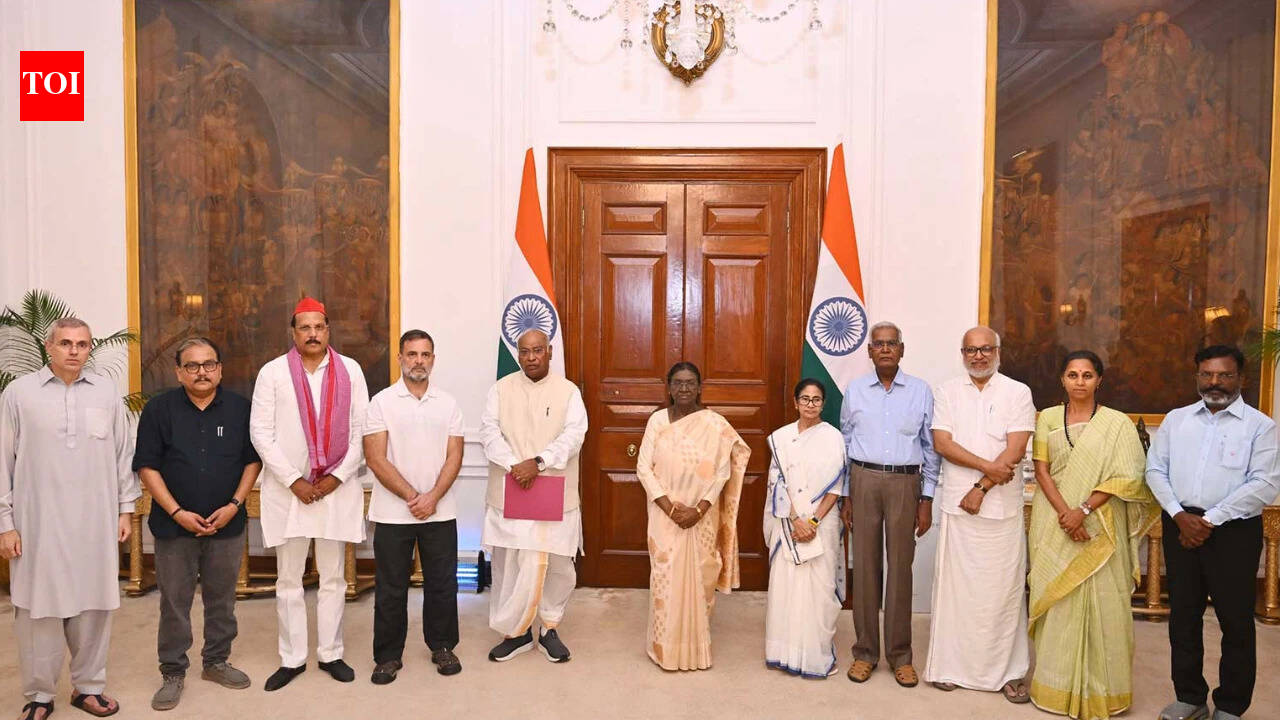
Indian political discourse is intensifying as BJP leaders critique Rahul Gandhi's remarks regarding President Murmu and respond to Elon Musk's claims about Starlink. These developments highlight ongoing tensions between the ruling party, the opposition, and global technology interests.
Political Tensions Escalate in India
The Indian political landscape is currently marked by sharp exchanges between the Bharatiya Janata Party (BJP) and the opposition, specifically concerning comments made by Congress leader Rahul Gandhi. The BJP has publicly criticized Gandhi for his allegations involving President Droupadi Murmu and the concept of 'vote chori' (vote theft). This confrontation underscores the heightened sensitivity surrounding constitutional offices and the electoral process in India, reflecting a deepening divide between the ruling government and the opposition.
Constitutional Integrity and Political Rhetoric
The controversy surrounding Rahul Gandhi's remarks suggests a significant friction point regarding the perceived neutrality of the President's office. By alleging that President Murmu accepted or validated the concept of 'vote chori,' Gandhi has prompted a swift rebuttal from BJP leaders who view such comments as an affront to both the individual holding the office and the institution of the Presidency itself. This reflects a broader trend in Indian politics where political discourse frequently invokes constitutional figures, leading to intense debates over decorum and the separation of political campaigning from state institutions.
The Starlink and National Security Nexus
Simultaneously, a separate but equally significant geopolitical and technological debate has emerged involving BJP leader Nishikant Dubey and billionaire entrepreneur Elon Musk. Following Musk's charges regarding regulatory or operational hurdles, Dubey has countered by asserting that Starlink poses a potential risk to India's security agencies. This clash highlights the complex intersection of global satellite technology and national sovereignty, as India seeks to balance the benefits of high-speed internet connectivity with the imperative of maintaining stringent control over national security infrastructure.
Sovereignty in the Age of Global Tech
The exchange between Dubey and Musk serves as a microcosm of the challenges faced by emerging economies in regulating global tech giants. As companies like SpaceX seek to integrate their satellite constellations into the Indian market, they encounter the regulatory frameworks designed to protect domestic security. Dubey’s stance reflects the government's cautious approach toward foreign-owned telecommunications networks, emphasizing that national interest and security oversight remain non-negotiable prerequisites for market entry.
Broader Implications and Future Trends
These concurrent events suggest a period of increased scrutiny for both political actors and foreign technology corporations. As the BJP continues to assert its narrative on national security and institutional respect, the opposition is likely to continue its vocal critiques of government processes. Meanwhile, the debate over Starlink will likely influence future policy decisions regarding the satellite internet sector, setting a precedent for how India manages the integration of disruptive global technologies while safeguarding its strategic interests. The convergence of these issues indicates that the intersection of political strategy and technological regulation will remain a defining theme in India's governance trajectory.