
Urban food systems often operate as accidental laboratories for zoonotic spillover. When livestock, wildlife, and high-density human populations converge in unplanned green spaces, the risk of pathogen transmission accelerates. The objective is not merely to grow food in cities but to engineer environments where the biological distance between species is maintained through rigorous physical and digital barriers. Why do we continue to treat urban farming as a hobbyist endeavor when it is actually a high-stakes exercise in public health? The answer lies in a lack of standardized biosecurity protocols that treat the urban farm as a critical infrastructure node rather than a community garden.
Prerequisites for Zoonotic-Safe Implementation
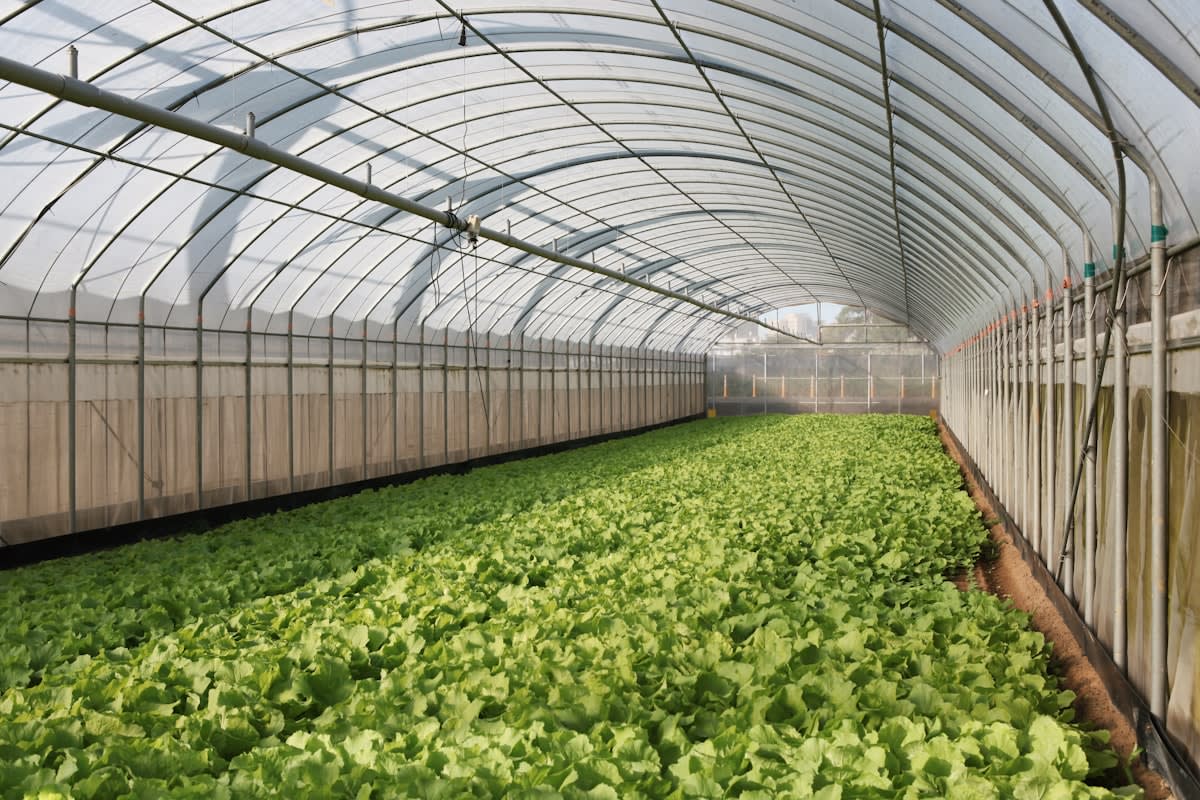
Before deploying any urban food initiative, practitioners must secure specific infrastructure to mitigate biological risk. A closed-loop greenhouse system is non-negotiable for high-risk urban areas to prevent uncontrolled wildlife access to crops. Digital oversight requires a cloud-based ERP system capable of AI-driven anomaly detection to monitor livestock health and supply chain drifts in real-time. Furthermore, a formal Memorandum of Understanding (MOU) between health, agriculture, and environmental agencies is required to synchronize the monitoring of contaminants. Finally, a designated biosecurity kit—including disinfectants and specialized footwear—must be available for every point of entry into the production zone.
Operational Protocol for System Hardening
- Isolate Production Zones: Implement greenhouse gardening models, similar to the Greenhouse Gardening 101 approach at Morgan State University, to move production into controlled environments. By focusing on specific herbs and vegetables like kale, thyme, sage, basil, and chamomile within a greenhouse, operators eliminate the open-air exposure that allows avian and rodent vectors to contaminate the food supply. This physical separation is the first line of defense against airborne and surface-borne pathogens.
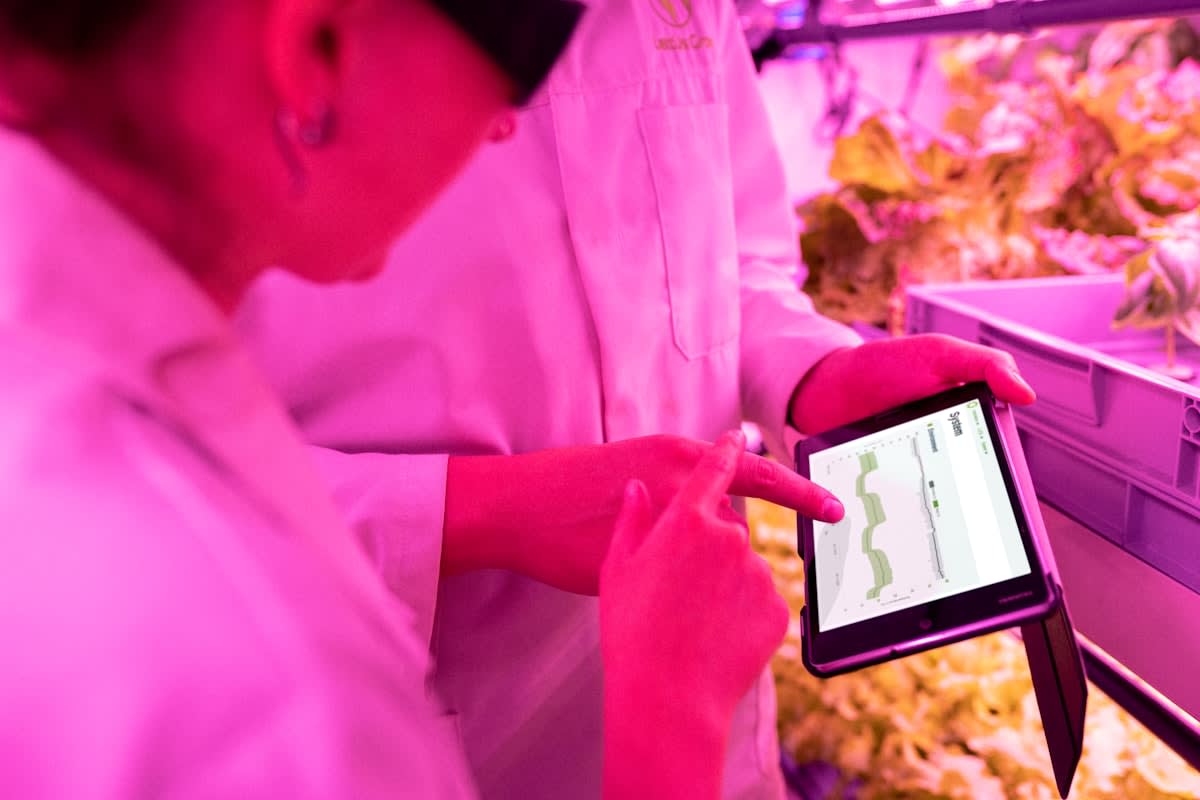
- Deploy AI-Driven Surveillance: Integrate business management technology such as the Acumatica Cloud ERP 2026 R1 release to automate anomaly detection. AI should be configured to flag deviations in livestock behavior or crop health that may indicate early-stage zoonotic infection. By connecting previously disconnected accounting and operational systems, managers can trace a biological anomaly back to its exact point of origin within hours rather than weeks, preventing a localized outbreak from becoming a city-wide event.
- Establish Contaminant Monitoring: Align local monitoring with the standards of the National Residue Program. Following the model of the USDA, HHS, and EPA joint efforts, urban systems must implement a rigorous screening process for heavy metals and other contaminants in meat, poultry, and egg products. This requires a tripartite coordination where environmental data from the EPA informs the health warnings of the HHS and the regulatory enforcement of the USDA.
- Enforce Vector-Control Transit: Apply strict biosecurity rules for all non-farming personnel entering production areas. Drawing from the Free State Department of Agriculture's response to foot-and-mouth disease (FMD), all visitors—including government officials or registration personnel—must wear clean clothing free of soil and manure. Footwear, specifically gumboots or closed shoes, must be cleaned and disinfected before entry, and human movement must be restricted to the absolute minimum area necessary for the task at hand.
- Map Multispecies Relational Values: Utilize the Tree Value Visions tool to integrate the IPBES Life Framework into urban treescape management. Rather than viewing urban greenery as a mere aesthetic asset, planners must consider the justice claims of non-human species. By creating designated, non-overlapping corridors for wildlife and humans, the system reduces the stress on urban animals, which in turn lowers the likelihood of them shedding pathogens into human-centric food zones.
The transition from traditional urban farming to a zoonotic-safe system is not a matter of adding a few rules; it is a reconfiguration of how the city breathes. When we look at the Free State's FMD biosecurity directives, we see the importance of controlling the 'human vector'. If a voter registration official can carry a pathogen on their boot into a livestock zone, then a casual visitor to an urban farm can just as easily introduce a contaminant into a hydroponic system. The precision of the movement—limiting foot traffic to essential areas—is where the actual safety is won or lost.
The Coordination Model
The National Residue Program provides a template for how three distinct government bodies—USDA, HHS, and EPA—can synchronize their data to protect consumers from contaminants. Urban food systems that fail to mirror this inter-agency coordination remain blind to systemic risks.
Digital infrastructure acts as the nervous system for these biological barriers. The deployment of Cloud ERPs like Acumatica allows for the unification of operations that were previously siloed. When AI handles the anomaly detection, it removes the human error associated with manual health logs. In a high-density urban environment, the delta between a detected anomaly and a contained outbreak is measured in minutes. Those who rely on manual reporting are essentially operating a 20th-century system in a 21st-century biological landscape.
Finally, we must address the ecological tension of the city. The Nature-published 'Tree Value Visions' approach suggests that multispecies justice is not just an ethical stance but a practical one. When urban treescapes are managed to respect the needs of non-humans, we reduce the desperation of wildlife to enter human food zones. A city that provides legitimate, separated habitats for its animal populations is a city that is less likely to experience a zoonotic jump. This is the intersection of urban planning and epidemiology.
Common Pitfalls in Urban Biosecurity
- Underestimating the Human Vector: Assuming that only 'farm workers' can spread disease, while ignoring visitors, inspectors, or administrative staff.
- Siloed Data Streams: Maintaining separate logs for crop health, animal health, and environmental contaminants instead of using a unified ERP.
- Open-Air Complacency: Relying on traditional soil gardening in high-density areas without the protection of greenhouse barriers to exclude wildlife.
- Ignoring Relational Values: Treating urban greenery as purely functional, which drives wildlife into closer, more dangerous contact with food production zones.
- Lack of Inter-Agency Alignment: Failing to establish an MOU between health and agricultural bodies, leading to delayed responses during contaminant spikes.
The failure of most urban food systems lies in their attempt to mimic rural farming without accounting for urban density. In a rural setting, distance is the primary biosecurity tool. In the city, distance is non-existent. Therefore, we must replace distance with technology and strict protocol. Whether it is the use of disinfectants for gumboots in South Africa or AI anomaly detection in the US, the goal is the same: creating a sterile, monitored, and predictable interface between the human and the animal.