
The global conversation around GLP-1 receptor agonists has spent the last year trapped in a cycle of weight-loss aesthetics and pharmacy shortages. In the United States, the narrative is often reduced to the 'wedding dress effect,' where brides use Zepbound or Ozempic to fit into gowns, creating a surge in last-minute bridal alterations and legal waivers from boutiques. However, a more clinical and strategic integration is taking hold across Southeast Asia. Here, the focus is migrating from the vanity of the scale to the precision of metabolic optimization, treating these medications not as quick fixes but as components of a comprehensive longevity stack.
This regional divergence is most evident in how metabolic health is being bundled with other emerging biotechnologies. While North American markets are grappling with the fallout of influencer-driven telehealth prescriptions, Southeast Asian hubs are positioning themselves as destinations for 'longevity experiences.' This approach treats the GLP-1 as a baseline for metabolic stability, which then allows for more aggressive interventions in cellular health and regenerative medicine. The result is a sophisticated healthcare pipeline that views obesity and insulin resistance as systemic failures to be engineered away rather than symptoms to be managed.

The Jakarta Longevity Window
Indonesia is currently carving out a unique regulatory niche that its neighbors are failing to match. By establishing permissive rules for stem cell administration, Jakarta has effectively opened a window for longevity medicine that attracts global providers seeking to build preventive healthcare services. While Singapore maintains a strict prohibition on stem cell therapy and the frameworks in Malaysia and Thailand remain ambiguous, Indonesia has become the primary Southeast Asian destination where hospitals can legally provide these treatments as part of a broader therapeutic strategy.
This regulatory flexibility allows for a continuum of care that blends the metabolic control provided by GLP-1s with the regenerative potential of stem cells. Patients are not just visiting a doctor; they are entering an ecosystem that spans from pre-arrival consultation to clinical treatment and luxury resort recovery. This model treats metabolic health as a lifestyle asset, leveraging the legal environment to offer a level of integration that is currently impossible in the more restrictive medical markets of the West.
"We are selling a continuum of longevity experience that will straddle from before they come to Indonesia, to the clinic, to the resort, and back to home."— Wei Siang Yu, Founder and Executive Chairman of Borderless Healthcare Group, Inc.
The strategic implication is clear: Indonesia is not merely competing on cost, but on the breadth of allowable intervention. By allowing stem cells to be administered as part of a therapeutic journey, the region is attracting a demographic of high-net-worth individuals who view metabolic health as an optimization problem. This shift transforms the patient from a passive recipient of care into an active architect of their own biological aging process.
As these longevity hubs mature, the integration of GLP-1s becomes a logical prerequisite. Controlling glucose levels and reducing systemic inflammation via these agonists creates a more hospitable environment for regenerative therapies to take hold. It is a sequenced approach to health that prioritizes the metabolic foundation before layering on advanced cellular interventions.
The Consumption Delta: From Refreshment to Purpose
Beyond the clinic, the GLP-1 trend is triggering a massive realignment in the consumer goods sector. We are seeing a transition from 'refreshment' to 'purposeful refreshment,' where the beverage industry is adapting to the physiological changes induced by these drugs. Because GLP-1s often suppress appetite and alter nutrient absorption, there is a surging demand for high-density nutrition in liquid form, specifically protein-fortified sodas and specialized hydration drinks.
Projected Growth of GLP-1-Friendly Hydration Market
Executive Insight
+18.4%
YTD Growth
The numbers are staggering. The market for GLP-1-friendly hydration drinks is forecast to reach $3.48 billion by 2033, growing at a compound annual growth rate (CAGR) of 12.8%. This is not a marginal trend; it is a structural force reshaping the beverage market. Companies like PepsiCo and Unilever are now forced to consider how 'soda culture' can collide with functional demand, creating products that support the muscle mass preservation required for those on aggressive GLP-1 regimens.
This shift represents a fundamental change in how the public interacts with metabolic health. Instead of avoiding sugar to prevent disease, consumers are now seeking specific nutrient profiles to optimize the effects of their medication. The beverage becomes a tool for maintaining lean mass and hydration, effectively turning the grocery store into an extension of the pharmacy.
The Cost of Rapid Adoption
The rapid adoption of GLP-1s has not been without peril. A national analysis of poison center data shows that calls tied to these drugs rose from 1,000-1,500 annually pre-2021 to over 8,000 in 2023, driven largely by preventable dosing errors.
The danger lies in the democratization of these drugs via telehealth and social media. When a prescription medication is marketed as a bridal accessory, the clinical rigor of dosing often vanishes. This is particularly evident in the demographic shift of users; the mean age of those experiencing GLP-1 exposures has dropped from 57.0 to 51.6 years, with women now making up 78.2% of cases.
| Metric | Pre-2021 Baseline | 2023 Observation |
|---|---|---|
| Annual Poison Center Calls | 1,000 - 1,500 | > 8,000 |
| Semaglutide Proportion of Exposures | 24.6% | 64.2% |
| Mean Patient Age | 57.0 years | 51.6 years |
| Female Representation | 68.9% | 78.2% |
The disparity between the 'bridal fad' in the West and the 'longevity stack' in Southeast Asia highlights a critical gap in medical literacy. While one group sees a way to fit into a dress, the other sees a way to re-engineer their metabolic future. The risk of dosing errors remains a global threat, but the strategic application of these drugs in a controlled, multi-modal environment—like the clinics in Indonesia—potentially mitigates these risks through professional oversight.
Quantifying the Metabolic Engine
The final piece of this metabolic puzzle is the move toward real-time biomarker tracking. The American Nutrition Association is currently advocating for a shift toward the Glucose Ketone Index (GKI), a finger-prick biomarker that allows for precise tracking of metabolic dysfunction. This index provides a window into the dysfunction behind type 2 diabetes, obesity, and even neurodegeneration, offering a way to measure if a GLP-1 regimen is actually working at a cellular level.
The GKI represents the transition from 'weight loss' to 'metabolic health.' By tracking the ratio of glucose to ketones, clinicians can manage the metabolic dysfunction that drives cardiovascular disease and liver fat accumulation. This is where the clinical precision of the Southeast Asian longevity model meets the data-driven approach of personalized nutrition.
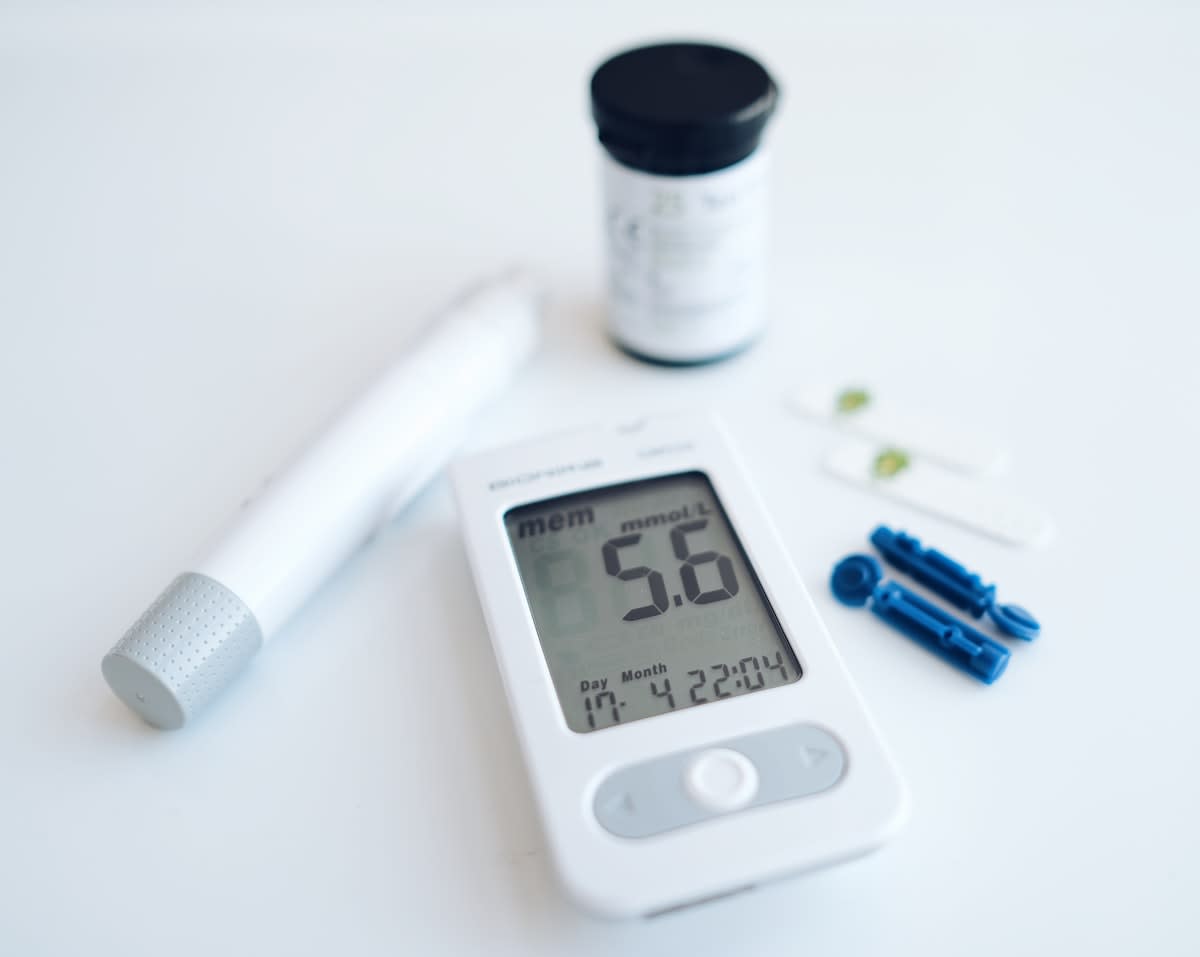
However, a significant policy gap remains. While the technology to measure metabolic health via GKI exists, the legal and reimbursement frameworks to allow nutritionists and practitioners to act on this data are lagging. The call for licensure reform is urgent; without it, the ability to measure metabolic health far exceeds the legal capacity to treat it.
Ultimately, the convergence of permissive regulatory environments in Indonesia, the rise of functional metabolic nutrition, and the adoption of precise biomarkers is creating a new blueprint for health. The region is no longer just a destination for medical tourism; it is becoming a laboratory for the future of human longevity. The question is no longer how much weight can be lost, but how effectively the human metabolic engine can be optimized for the long haul.