
The era of the annual physical as the primary source of health truth is dying. For decades, we relied on clinical snapshots—single blood draws or occasional urine tests—to guess what was happening inside our bodies between appointments. That gap is finally closing. We are witnessing the rise of the metabolic mirror, a suite of next-generation bio-wearables that transform our internal chemistry into a live, streaming data feed. This isn't just about counting steps or tracking sleep; it is about the real-time quantification of metabolic stress, glucose utilization, and organ function.
Look at the delta between where we stood a year ago and today. Twelve months ago, continuous monitoring was largely the domain of severe diabetics. Now, the scope has widened. The integration of flexible, non-invasive patches into daily life is shifting the narrative from crisis management to systemic optimization. We are no longer asking if a patient is sick; we are asking how their energy stability fluctuates in response to a specific meal in Tokyo, a stressful boardroom meeting in London, or a high-altitude trek in the Andes.
The Lactate Leap: Quantifying Metabolic Stress
Lactate monitoring is the new frontier of energy stability. While glucose has dominated the wearable conversation, lactate provides a more nuanced view of metabolic stress and how the body utilizes fuel under pressure. The market for continuous lactate monitor sensors is currently in a state of aggressive expansion. Projections show the market value climbing from $1.69 billion in 2025 to $1.96 billion by 2026. This growth, representing a compound annual growth rate (CAGR) of 15.5%, signals a massive pivot toward predictive metabolic health.
Why the sudden urgency? The data suggests a growing necessity. In the UK, the Office for Health Improvement & Disparities reported that the prevalence of Type 2 diabetes among adults aged 17 and older rose from 6.8% in March 2023 to 7.0% in March 2024. This incremental but steady rise in chronic metabolic dysfunction drives the demand for tools that allow for optimized insulin dosing and a reduction in complications. When you can see metabolic stress in real-time, you stop reacting to symptoms and start managing the underlying chemistry.
The Predictive Pivot
The shift is fundamental: we are moving from reactive medicine—treating a spike after it happens—to predictive stability, where the sensor warns the user before the metabolic crash occurs.

This transition hasn't been seamless. The industry struggled for years with fragmented device compatibility and the high cost of sensors. Most users were tethered to traditional blood sampling, which is invasive and offers only a momentary glimpse of health. However, the current wave of innovation focuses on seamless connectivity with medical platforms and remote patient monitoring (RPM), effectively turning the home into a satellite clinic.
But lactate is only one piece of the puzzle. The broader wearable patch market is diversifying into a multi-marker ecosystem that monitors everything from cardiac rhythms to hydration levels.
The Multi-Marker Ecosystem: Beyond the Single Metric
The modern wearable patch is no longer a single-purpose tool. We are seeing the emergence of integrated platforms that combine multiple physiological parameters into a single flexible form factor. This removes the need for patients to be tethered to wired monitoring hubs in hospitals, allowing for a more natural recovery process and more accurate real-world data. The healthcare segment currently dominates this market, driven by the clinical adoption of patches for chronic disease management and post-operative tracking.
- Continuous Glucose Monitoring (CGM) for precision diabetes management
- Cardiac rhythm monitoring via ECG patch solutions for arrhythmia detection
- Sweat analysis to track hydration and metabolic health markers
- Transdermal drug delivery for nicotine replacement and pain management
- Real-time monitoring of SpO2, blood pressure, and body temperature
The flexibility of these devices is their greatest strength. By utilizing sweat-analysing patches, clinicians can now monitor a patient's metabolic state without a single needle prick. This is a radical departure from the hospital-centric model of the last century. Whether it is a clinic in Seoul or a home-care setting in Berlin, the ability to monitor complex electrocardiograms (ECG) without restrictive wiring is changing the patient experience from one of confinement to one of mobility.
Projected Growth of Continuous Lactate Monitor Market
Executive Insight
+18.4%
YTD Growth
As these devices become more ubiquitous, the focus is shifting toward more obscure but critical biomarkers, such as uric acid, which serves as a window into kidney function and systemic inflammation.
The Uric Acid Frontier: Solving the Noise Problem
Uric acid monitoring has historically been a laboratory procedure—slow, occasional, and detached from the user's daily behavior. New wearable biosensors are attempting to flip this script, moving the test from the lab to the skin. By utilizing saliva, urine, and sweat-based sensors, researchers are creating a real-time tool for personalized healthcare. This allows for the tracking of inflammation and tissue repair biomarkers in a way that was previously impossible outside of a clinical trial.
However, moving a chemical reaction from a controlled lab to a moving human body introduces a massive engineering challenge: noise. A sensor that works in a petri dish often fails when the user is bending, stretching, or sweating. Moisture exposure and sensor ageing can distort readings, leading to false positives or inaccurate metabolic profiles. The industry is now fighting a war against environmental interference to ensure that these devices remain stable during the chaos of everyday movement.
The solution is not just better hardware, but smarter software. Machine-learning algorithms are now being deployed to separate genuine physiological changes from the noise caused by physical activity. By using built-in reference signals, these systems can calibrate themselves to the individual, correcting for variations in skin chemistry and sensor degradation. This intersection of material science and AI is what will finally make non-invasive metabolic tracking reliable.
"The goal is to transform testing from an occasional laboratory procedure into a real-time tool for personalised healthcare, where the sensor adapts to the human, not the other way around."— Bioengineer Review on Wearable Biosensing
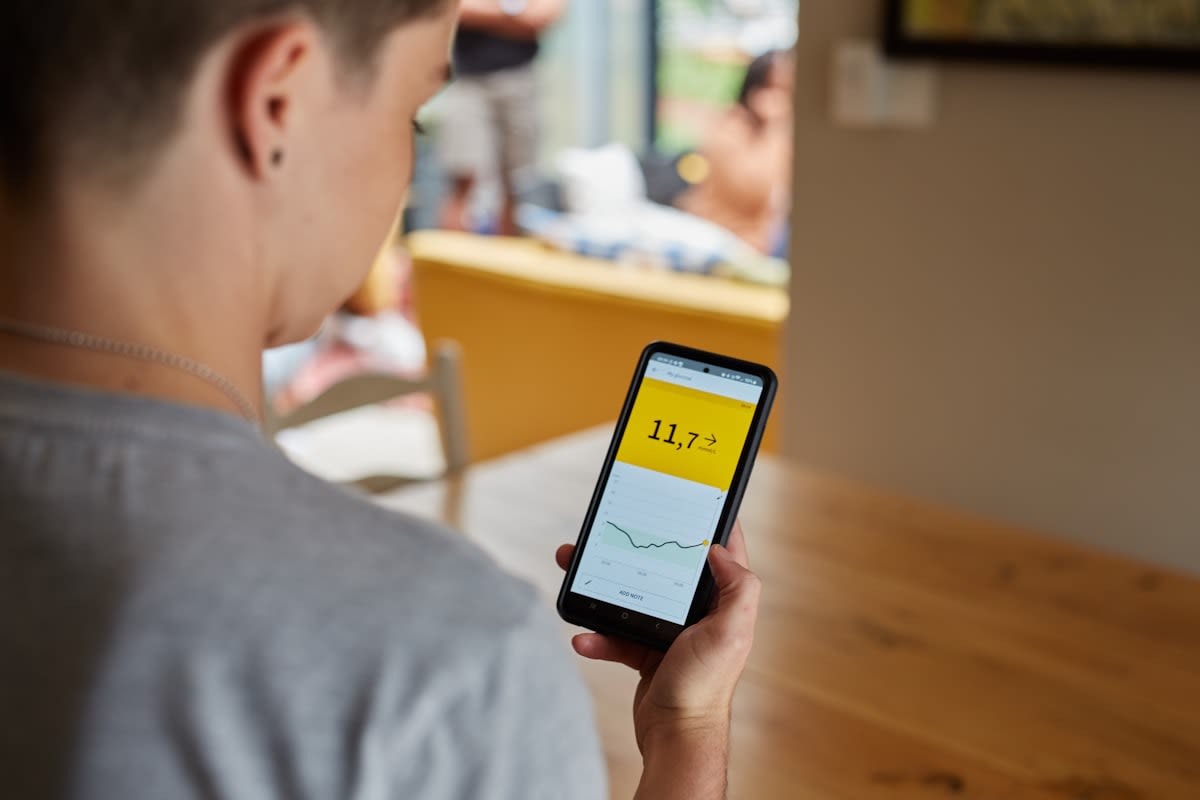
This technological leap creates a new paradigm of resilience. Instead of fearing a metabolic crash or a sudden spike in inflammation, individuals can adapt their behavior in real-time. This is the essence of the metabolic mirror: it provides the visibility required to make micro-adjustments to diet, exercise, and medication before a health event becomes a crisis.
| Metric | Traditional Method | Next-Gen Wearable |
|---|---|---|
| Lactate Tracking | Intermittent Blood Draw | Continuous Sensor (15.5% CAGR Growth) |
| Uric Acid Monitoring | Laboratory Analysis | Real-time Sweat/Saliva Biosensors |
| Glucose Monitoring | Finger-prick Tests | Continuous Glucose Monitoring (CGM) Patches |
| Cardiac Assessment | Tethered ECG Hub | Flexible Wireless ECG Patches |
The global implications are profound. In regions with limited access to permanent medical infrastructure, these wearable patches act as a force multiplier for healthcare providers. A doctor in a rural clinic can monitor a dozen patients' metabolic stability remotely, intervening only when the data stream signals a deviation from the norm. This democratizes high-end diagnostics and shifts the burden of care from the hospital to the home.
We are entering an age of biological transparency. The Metabolic Mirror does more than track data; it changes our relationship with our own bodies. By turning the invisible processes of energy stability into visible, actionable metrics, we are finally moving past the era of guessing and into the era of knowing.