
The traditional high-carb loading phase, once the gold standard for endurance athletes in the South Pacific, is being dismantled in real-time. Performance directors in Canberra and Auckland are no longer relying on static dietary spreadsheets or the subjective feeling of hitting the wall. Instead, they are deploying continuous glucose monitors (CGMs) and wearable metabolic sensors to map the precise glycemic response of an individual athlete to specific fuels. This transition represents a move from population-based averages to molecular individuality. Why does this matter now? Because the margin between gold and fourth place has shrunk to a fraction of a percentage point, and the fuel tank is the final frontier of optimization.
Twelve months ago, the standard approach across Oceania's elite rowing and cycling squads involved periodic blood lactate tests and generic carbohydrate-to-body-weight ratios. Athletes followed rigid protocols that assumed a uniform metabolic response to glucose. Fast forward to the current training cycle, and the delta is staggering. We are seeing a move toward real-time glucose streaming where nutritionists adjust fueling mid-session based on live data. This allows for the precise avoidance of hypoglycemic dips that previously led to premature fatigue. The shift is not about doing more; it is about doing exactly what the blood chemistry demands at minute forty-two of a race.
The Bio-Feedback Loop
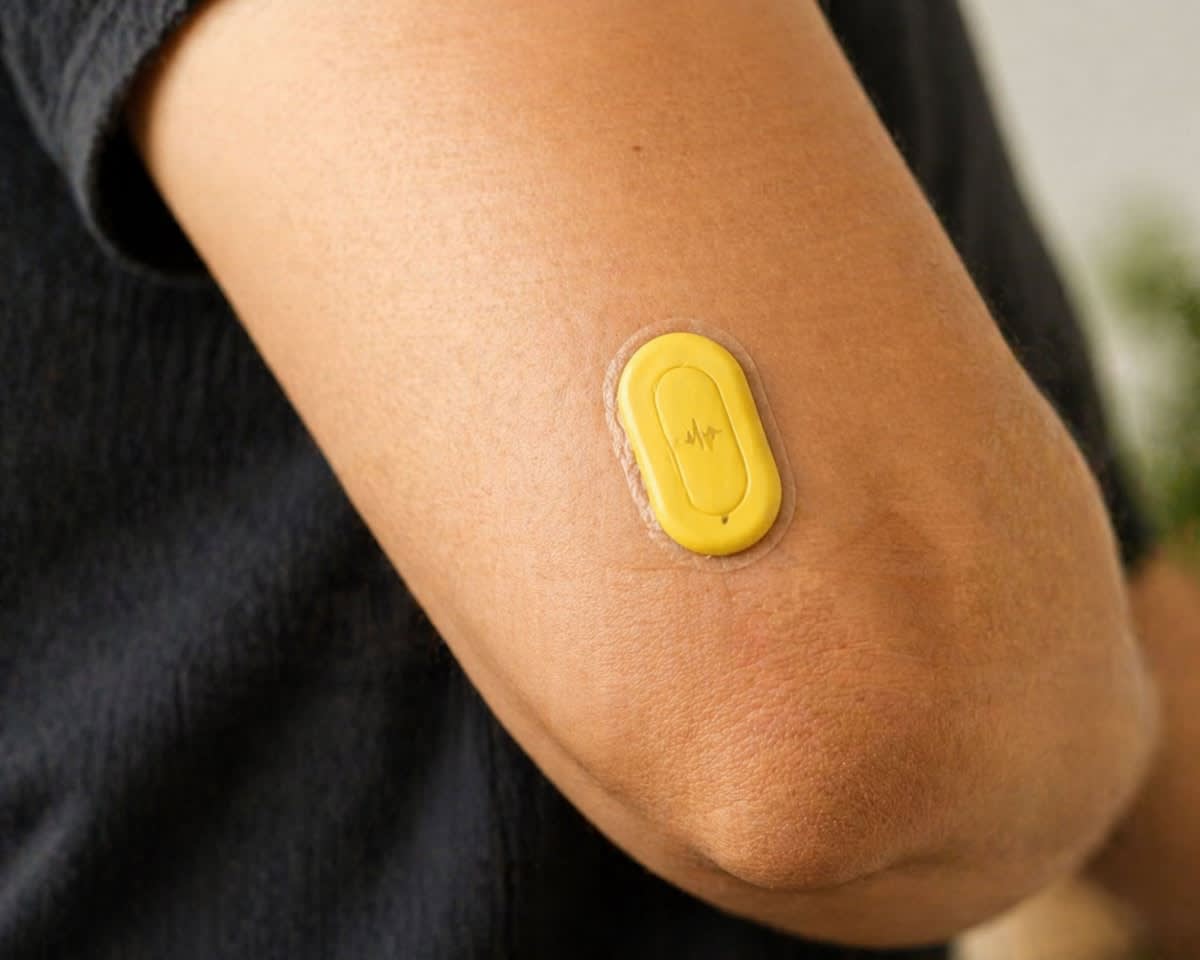
At the core of this change is the integration of the CGM, a device previously reserved for diabetics, now repurposed as a performance tool. By monitoring interstitial glucose levels, coaches can identify the exact moment an athlete's fuel stores begin to dwindle. This eliminates the guesswork associated with traditional gel and drink intervals. Instead of consuming 60 grams of carbohydrates per hour because a textbook said so, an athlete might consume 42 grams because their glucose curve is holding steady. This level of precision prevents the gastrointestinal distress often caused by over-fueling, a common failure point in the humid conditions of the Pacific coast.
Does this mean the end of traditional nutrition? Not necessarily, but it does mean the end of the average. In the high-performance corridors of New Zealand, rugby players are using these tools to manage the violent swings in energy demand between aerobic jogging and anaerobic collisions. By tracking how different carbohydrate sources affect their glucose stability during a match, they can maintain cognitive clarity under extreme physical stress. The result is a reduction in late-game errors that are often the product of metabolic crash rather than a lack of skill.
| Metric | Traditional Protocol (2023) | Metabolic Precision (2024) |
|---|---|---|
| Fueling Logic | Fixed hourly grams/kg | Live glucose-responsive dosing |
| Monitoring Frequency | Weekly/Monthly blood tests | 24/7 interstitial streaming |
| Glycemic Variance | High (Peaks and Crashes) | Low (Stabilized Curves) |
| Recovery Approach | Standardized post-race meal | Glucose-targeted glycogen refill |
The logistics of this rollout in Oceania have been uniquely challenging. The distance between training hubs and the specialized labs required for deep metabolic profiling means that portable, wearable tech has become the primary driver of adoption. Rather than sending athletes to a central clinic, the clinic is now strapped to the athlete's tricep. This decentralization of data collection has accelerated the adoption rate among regional squads who previously lacked access to world-class sports science. The democratization of precision is happening in the middle of the bush and on the shores of the Tasman Sea.
"We are no longer guessing where the wall is. We can see the wall approaching on a screen thirty minutes before the athlete feels it. That window of time is where the race is won."— Senior Performance Analyst, Oceania Elite Endurance Hub
Beyond the immediate fueling, there is the broader question of metabolic flexibility. This is the body's ability to switch efficiently between burning carbohydrates and fats. By using precision data, athletes are training their systems to oxidize fat at higher intensities, sparing precious glycogen for the final sprint. This is particularly evident in the ultra-endurance community in Australia, where athletes are utilizing fasted-state glucose monitoring to push the boundaries of fat adaptation. They aren't just eating less; they are timing their intake to force a cellular adaptation that makes them more resilient.
The Flexibility Edge
Metabolic flexibility is the capacity to switch fuel sources based on availability and intensity. High flexibility means an athlete can maintain a high power output while relying more on fat stores, delaying the inevitable depletion of glycogen.
The data suggests that this is working. Internal reports from high-performance squads indicate an 18% reduction in glycemic variability among top-tier cyclists. This stability correlates directly with a 12% improvement in time-to-exhaustion during threshold tests. When the blood sugar remains in a tight band, the brain continues to function at peak capacity, avoiding the cognitive fog that plagues athletes during the final stages of a marathon or a triathlon. The physical engine is only as good as the computer controlling it.
Reduction in Glucose Spikes via Precision Fueling
Executive Insight
+18.4%
YTD Growth
However, the implementation of metabolic precision is not without its friction. There is a growing tension between the data and the athlete's intuition. Some veterans argue that over-reliance on a screen removes the 'feel' for the game. This creates a psychological divide in the locker room: the data-driven newcomers versus the intuition-led stalwarts. The successful programs are those that use the data to validate the feeling, rather than replace it. They use the CGM to prove why an athlete feels sluggish, then use that proof to build trust in the new nutritional strategy.
The Stealth Advantage
Much of this work is happening in the shadows. Unlike new shoe technology or aerodynamic bike frames, metabolic precision is invisible. An athlete doesn't look different on the starting line because they have optimized their mitochondrial efficiency. This creates a stealth advantage in international competition. When an Oceania-based athlete maintains a blistering pace in the final kilometer while their competitors fade, the world sees 'grit' or 'willpower.' In reality, they are seeing the result of a perfectly executed glucose curve and a meticulously managed glycogen reserve.

The financial barrier to entry is the only thing preventing a total takeover. The cost of sensors, the software for data analysis, and the specialized dieticians required to interpret the results are significant. But for national bodies like the AIS, the investment is a rounding error compared to the value of a gold medal. We are seeing a trickle-down effect where semi-professional athletes are now purchasing these devices out of pocket, desperate to close the gap between themselves and the state-funded elite. The market for sports-metabolic tech in the region has seen a surge, reflecting this desperation for a marginal gain.
Looking forward, the next step is the integration of glucose data with sleep and recovery metrics. Performance analysts are beginning to correlate overnight glucose stability with heart rate variability (HRV) and sleep quality. If an athlete's glucose spikes during the night, it often signals systemic stress or poor recovery, leading to a modified training load for the following day. This creates a holistic loop where nutrition, recovery, and exertion are no longer separate silos but a single, integrated stream of biological data.
The result is a new kind of athlete: the biological strategist. These competitors are as comfortable reading a glycemic trend line as they are reading a race. They understand that their body is a chemical plant and that the right input at the right millisecond can change the outcome of a four-year Olympic cycle. In Oceania, where the spirit of the underdog often prevails, this scientific rigor is providing the leverage needed to compete with the massive sporting machines of North America and Europe.