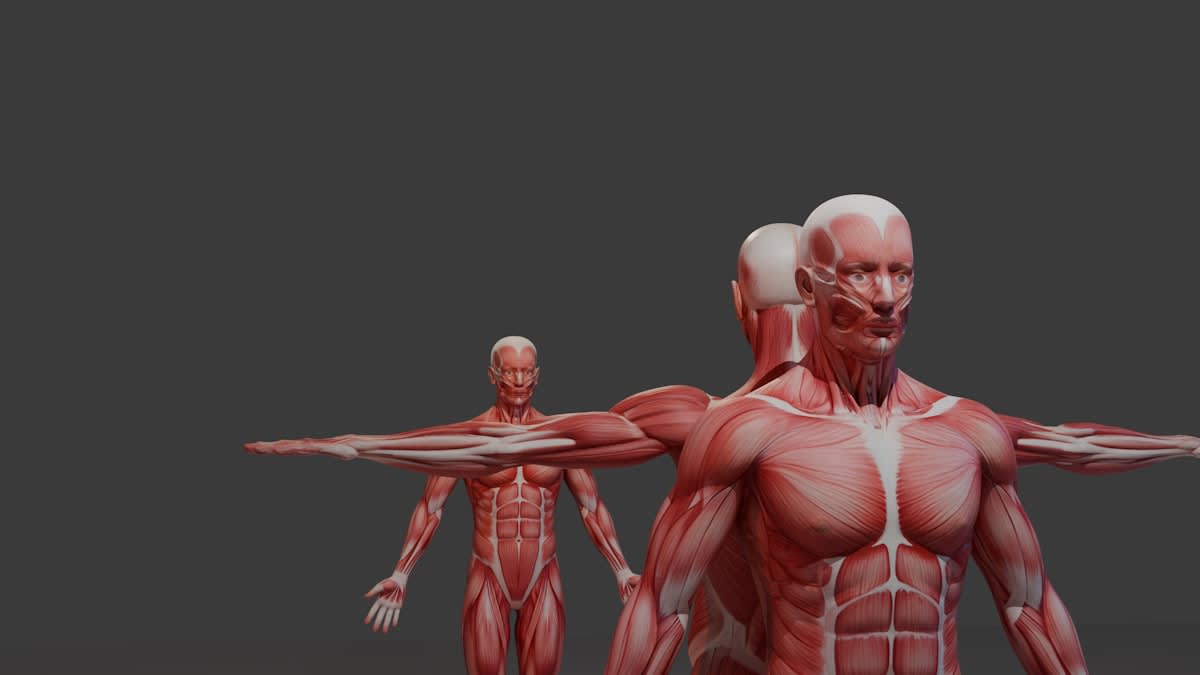
Think of your skeletal muscle not as a vanity project, but as a high-yield savings account. In your twenties, you are depositing aggressively. By your fifties, the bank starts charging a steep maintenance fee in the form of sarcopenia—the age-related loss of muscle mass and function. If you enter your later decades with a depleted balance, the cost isn't just a loss of strength; it is a loss of autonomy. When we treat muscle as an insurance policy, we stop focusing on the mirror and start focusing on the ability to stand up from a chair without assistance at age eighty-five. Why do we ignore this until the first fall occurs? The biological reality is that muscle is the primary organ of longevity, acting as a glucose sink and a reservoir of amino acids during systemic stress.
Prerequisites for Lean Mass Preservation
Before beginning this protocol, ensure you have the following: A baseline health screening (specifically renal function for high-protein diets), access to resistance loads (dumbbells, bands, or gym machinery), a high-quality protein source (whey, soy, or lean meats), and a tracking system for your lifts and sleep quality.
Step 1: Establishing the Protein Floor
Most people underestimate their protein needs because they rely on dietary guidelines designed to prevent deficiency, not to optimize performance. To preserve muscle, you need a protein floor—a minimum daily intake that triggers muscle protein synthesis (MPS). The goal is to hit the leucine threshold, the specific concentration of the amino acid leucine required to flip the metabolic switch (mTOR) that tells your body to build muscle. In practitioners' circles, we call this the anabolic trigger. If you eat 20 grams of protein in one sitting, you might not hit that trigger; if you eat 35 grams of a high-leucine source, you ignite the process. (Source: PROT-AGE Study Group, 2015).
- Calculate your baseline: Aim for 1.2 to 1.6 grams of protein per kilogram of body weight daily for general preservation, increasing to 2.0 grams if you are in a caloric deficit.
- Distribute intake: Divide your total protein into 3-4 evenly spaced meals. Spiking protein in one giant dinner is inefficient; the body can only utilize a certain amount for MPS per window.
- Prioritize leucine-rich sources: Focus on eggs, dairy, lean meats, or soy. If using plant-based proteins, blend sources (e.g., pea and rice) to ensure a complete amino acid profile.
- Time your intake: Consume 30-40 grams of protein within two hours post-resistance training to maximize the recovery window.
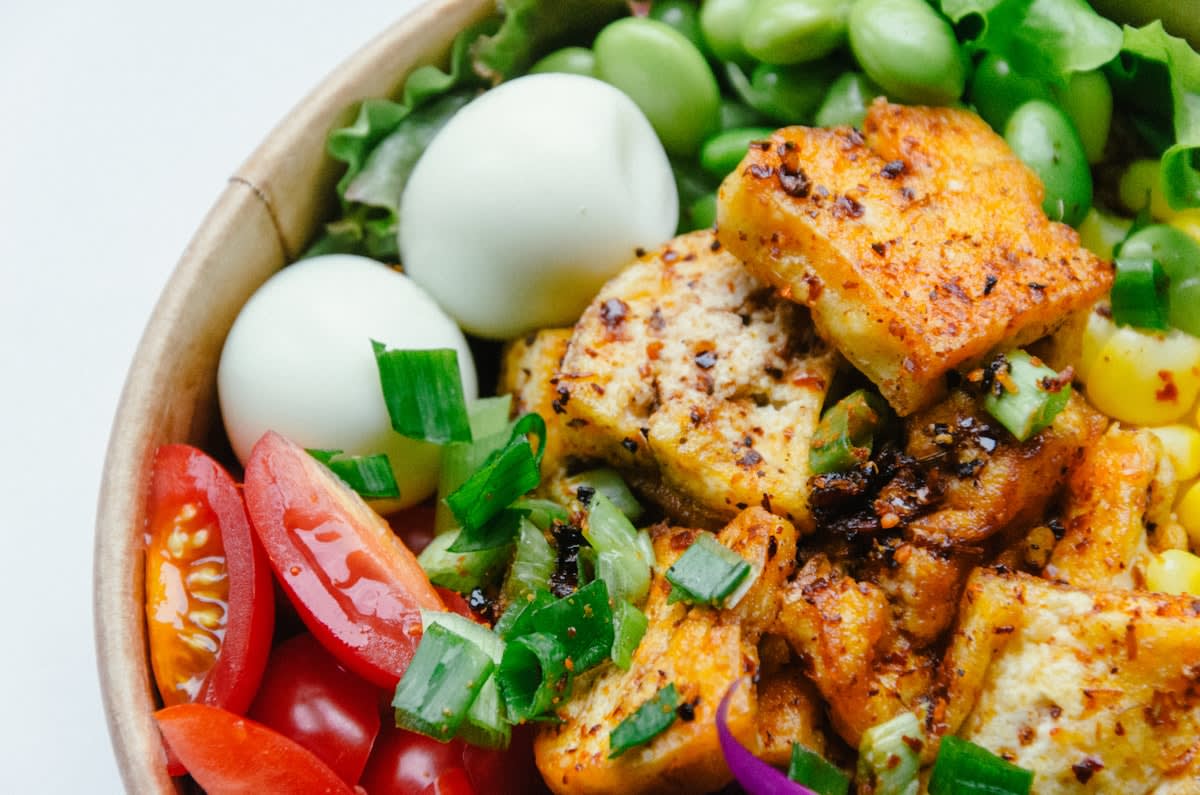
The friction here usually happens at the dinner table. In many cultures, particularly across East Asia and parts of Europe, traditional diets are carbohydrate-heavy and protein-light. Shifting this paradigm requires a conscious effort to move protein to the center of the plate. I have seen clients in Tokyo struggle with this because the cultural norm favors rice and fish in small portions. The fix isn't to abandon the culture, but to supplement it—adding a lean protein shake or increasing egg consumption to hit that critical 1.2g/kg threshold (Source: World Health Organization, 2020).
Step 2: Implementing Mechanical Tension
Protein is the brick, but resistance training is the mason. Without a stimulus, your body has no reason to keep expensive muscle tissue. You need mechanical tension—the act of stretching a muscle under load. Many people fall into the trap of 'toning' with light weights and high repetitions. This is a waste of time for longevity. To fight sarcopenia, you need intensity. You must challenge the motor units to recruit high-threshold fibers, which are the first to disappear as we age. If the weight doesn't feel challenging by the final two repetitions of a set, you aren't providing a sufficient stimulus for preservation.
- Select compound movements: Focus on squats, deadlifts, presses, and rows. These engage multiple joints and maximize hormonal response.
- Apply progressive overload: Every two weeks, increase the weight, the number of reps, or decrease the rest time. If you lift the same 10kg dumbbell for three years, your muscles have no reason to grow.
- Train to 'near-failure': Aim for an RPE (Rate of Perceived Exertion) of 8 or 9. You should feel you could have done one or two more reps, but no more.
- Frequency over volume: Two to three full-body sessions per week are superior to one marathon session. Consistency keeps the MPS signal active throughout the week.
"The loss of muscle mass is not an inevitable consequence of aging, but a consequence of disuse. Resistance training is the only intervention that consistently reverses the trajectory of sarcopenia across all demographics."— Institutional Consensus, World Health Organization Guidelines on Physical Activity
From a practitioner's perspective, the biggest debate in the gym isn't about the best exercise, but about the fear of injury. I often hear, 'I'm too old to lift heavy.' This is a dangerous fallacy. The risk of a fall due to muscle weakness is exponentially higher than the risk of a controlled lift. The real friction occurs when clients realize that strength training is uncomfortable. It requires a level of exertion that most modern lifestyles avoid. My job is to move them from a mindset of 'avoiding pain' to 'building capacity.' We don't lift to become bodybuilders; we lift to ensure that at age ninety, we can still carry our own groceries.

Step 3: The Recovery Architecture
You do not grow muscle in the gym; you grow muscle while you sleep. Training creates micro-tears in the muscle fibers; recovery repairs them. If your sleep is fragmented or your stress levels are chronically high, your cortisol levels will spike, which is catabolic—meaning it actively breaks down muscle tissue. I have seen athletes with perfect diets and training programs plateau simply because they were sleeping five hours a night. In the battle for lean mass, sleep is the ultimate force multiplier. Without 7-9 hours of quality shut-eye, you are effectively leaking the very muscle you are working so hard to build.
- Optimize Sleep Hygiene: Keep the room cool (approx 18°C) and dark to maximize melatonin production.
- Manage Cortisol: Incorporate zone 2 cardio (brisk walking) to improve cardiovascular efficiency without adding systemic stress.
- Hydration and Electrolytes: Muscle is mostly water. Ensure adequate magnesium and potassium intake to prevent cramping and support nerve conduction.
- Active Recovery: On off-days, engage in mobility work or yoga to maintain joint health and blood flow to recovering tissues.
Measuring the Policy: Functional Benchmarks
Stop relying on the scale. Weight is a blunt instrument that doesn't distinguish between fat and muscle. Instead, track functional benchmarks. These are the real-world indicators of whether your muscle insurance policy is paying out. Grip strength, for instance, is a powerful proxy for overall systemic vitality and is strongly correlated with lower all-cause mortality (Source: Lancet, 2015). If your grip strength is declining, your lean mass is likely declining with it. We track these metrics to identify 'leaks' in the system before they manifest as a clinical crisis.
| Metric | Functional Goal | Longevity Significance |
|---|---|---|
| Grip Strength | Top 25% for age group | Strong predictor of cardiovascular health |
| Sit-to-Stand (30s) | 12+ repetitions | Indicator of lower body power and independence |
| Gait Speed | > 0.8 meters/second | Correlated with cognitive function and fall risk |
| Protein Intake | 1.2g - 1.6g / kg | Prevents muscle wasting (Sarcopenia) |
Common Pitfalls to Avoid
Even the most disciplined individuals fall into common traps. The most frequent is the 'Cardio Trap'—the belief that walking or cycling is sufficient for longevity. While cardiovascular health is vital, it does nothing to prevent the atrophy of Type II muscle fibers. You can have a heart like a marathoner and the muscle mass of a centenarian. Another pitfall is the over-reliance on supplements. Creatine and whey are helpful, but they are supplements, not replacements. If your whole-food protein intake is low, a shake won't save you.
- Over-training: Lifting 6 days a week without adequate recovery leads to systemic inflammation and muscle loss.
- Neglecting Mobility: Building strength without flexibility leads to joint impingement and injury.
- The 'Light Weight' Delusion: Believing that high reps with no challenge will 'tone' the muscle.
- Ignoring the Leucine Threshold: Eating protein in amounts too small to trigger MPS.
Fact-Check & Accuracy Note
Key claims regarding protein thresholds (1.2-1.6g/kg) and the importance of leucine are sourced from the PROT-AGE Study Group and WHO guidelines. The correlation between grip strength and mortality is based on large-scale longitudinal data published in The Lancet. Note that individual needs may vary based on kidney health and specific medical conditions; always consult a physician before drastically increasing protein intake.