GLP-1 receptor agonists are a miracle for metabolic dysfunction, but they carry a hidden tax: sarcopenia. When the appetite vanishes, the body doesn't just burn adipose tissue; it cannibalizes skeletal muscle to meet energy demands. I have seen patients in clinics from Seoul to Sao Paulo achieve staggering weight loss on the scale, only to realize months later that their strength has cratered and their metabolic rate has plummeted. This is not an inevitable side effect. It is a failure of nutritional strategy. If you treat these medications as a 'magic pill' without a muscle-preservation framework, you are essentially trading long-term metabolic health for a short-term number on a scale.
Prerequisites: The Toolkit for Lean Mass Retention
You cannot wing this. To prevent muscle wasting, you need a precise set of tools to bypass the appetite suppression that these drugs induce. The goal is to hit high nutrient targets even when the thought of food is unappealing. You are fighting a biological battle against a suppressed hunger drive.
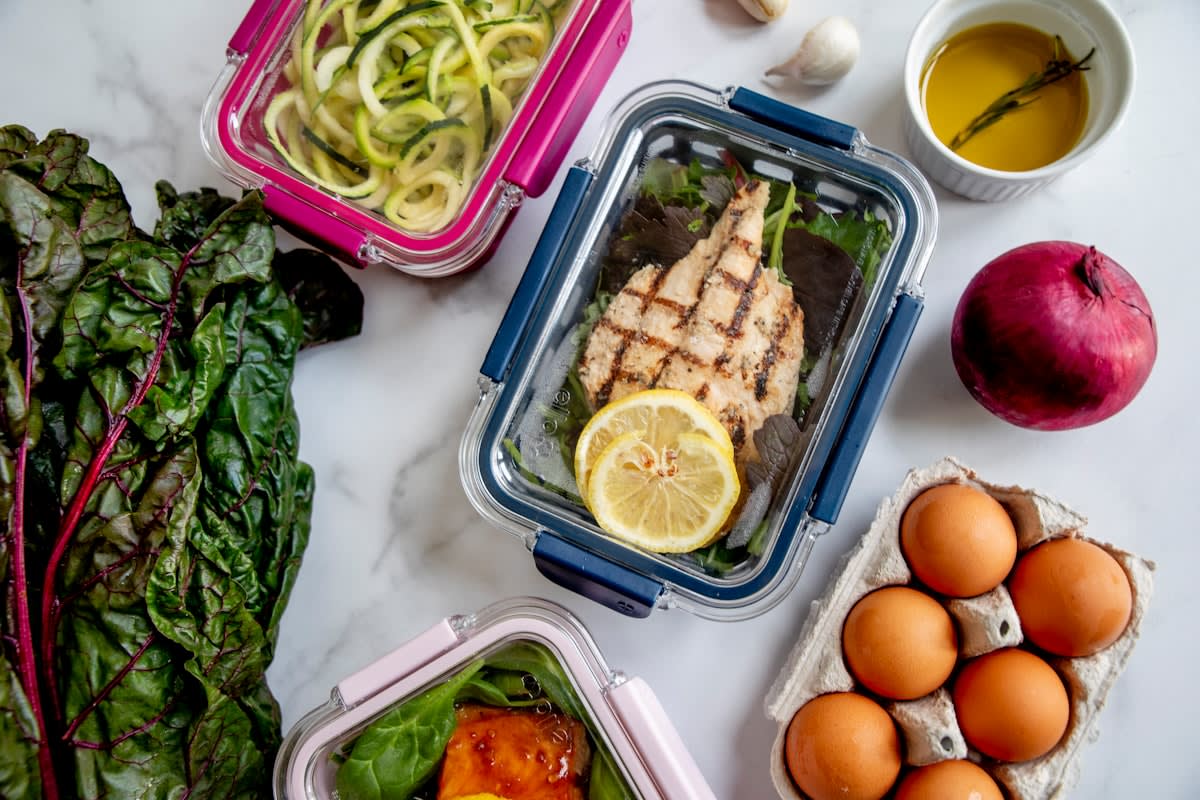
- High-biological value protein sources (Whey isolate, egg whites, lean poultry, tofu).
- A digital food scale for precision tracking (eyeballing fails during caloric deficits).
- Resistance training equipment (Gym membership or heavy dumbbells/kettlebells).
- Electrolyte supplements (Magnesium, Potassium, Sodium) to combat GLP-1 induced dehydration.
- A tracking app to monitor protein intake specifically, separate from total calories.
The Step-by-Step Preservation Protocol
The following steps are designed to override the 'satiety signal' and prioritize the amino acids necessary for muscle protein synthesis. Follow these in order. Do not skip the protein calculations; they are the foundation of the entire protocol.
- Establish Your Protein Floor: Calculate 1.6g to 2.2g of protein per kilogram of goal body weight. According to general clinical guidelines for weight loss (Source: American Diabetes Association, 2023), maintaining high protein intake is critical to minimize lean mass loss during rapid weight reduction. If you weigh 100kg, your floor is 160g of protein daily. No exceptions.
- Front-Load Your Nutrition: Eat your protein first. Because GLP-1s slow gastric emptying, you will feel full faster. If you eat vegetables or fats first, you will run out of 'room' before hitting your protein target. Start every meal with the lean protein source.
- Implement Protein Distribution: Divide your total protein into 3-5 servings of 30-50g each. The body cannot store excess amino acids for later use; it requires a recurring stimulus to trigger muscle protein synthesis (MPS). Spacing these out prevents the 'protein gap' that leads to muscle breakdown.
- Integrate Hypertrophy-Based Loading: Nutrition alone is insufficient. You must give the body a reason to keep the muscle. Perform resistance training 3-5 times per week, focusing on compound movements (squats, presses, rows) in the 8-12 rep range. This mechanical tension signals the body to prioritize muscle retention over oxidation.
- Optimize Micronutrient Density: Use a high-quality multivitamin and focus on fiber-rich, low-volume foods. GLP-1s can lead to micronutrient deficiencies due to drastically reduced food intake. Focus on dark leafy greens and berries to maintain gut health and systemic inflammation levels.
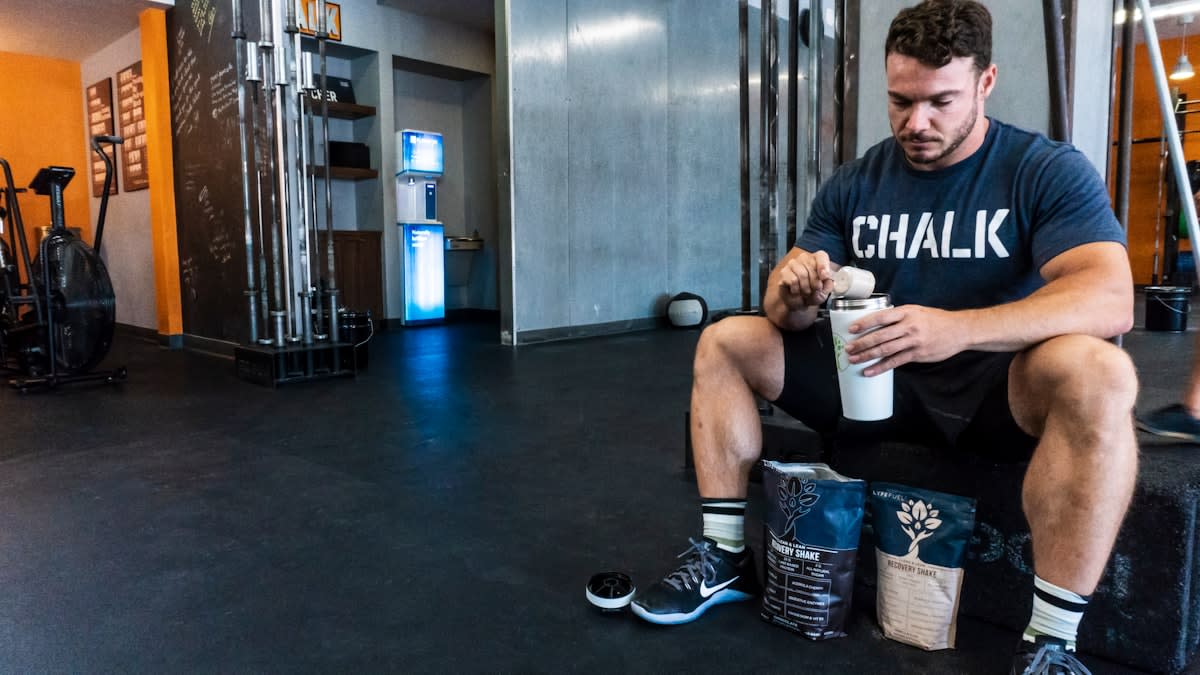
Many people struggle with the 'volume' of food required to hit these targets. When you are on a high dose of Tirzepatide or Semaglutide, a chicken breast can feel like a feast. This is where liquid nutrition becomes a strategic asset. High-quality whey or pea protein isolates allow you to hit your targets without triggering the extreme fullness that leads to nausea.
"The risk of lean mass loss during rapid weight loss is significant. Without targeted resistance training and high protein intake, a substantial portion of the weight lost can be skeletal muscle, which negatively impacts basal metabolic rate."— Institutional Consensus, Clinical Guidelines for Obesity Management (Source: Mayo Clinic, 2024)
The Practitioner's Perspective: Ground-Level Friction
In my experience working with clients across different healthcare systems, the biggest debate isn't about the science—it's about the compliance. Doctors often prescribe the drug and tell the patient to 'eat healthy,' which is dangerously vague. On the ground, we see a recurring pattern: patients feel great because they aren't hungry, so they stop eating almost entirely. They lose 15kg in two months and feel triumphant, but their grip strength is gone and they are exhausted. The internal debate among practitioners right now is whether we should mandate a 'protein-first' prescription alongside the medication. We are seeing a shift where the medication is no longer the primary intervention, but rather the catalyst for a total lifestyle overhaul.
Nutritional Targets Comparison
To illustrate the difference between a 'standard' diet and a 'Muscle Preservation' diet, consider the following breakdown. The standard approach focuses on calorie restriction, while the protocol focuses on nutrient density and muscle signaling.
| Metric | Standard Weight Loss Diet | Muscle Preservation Protocol |
|---|---|---|
| Protein Target | 0.8g/kg (General RDA) | 1.6g - 2.2g/kg (Performance) |
| Meal Priority | Balanced plate | Protein-First |
| Training Focus | Cardio / Walking | Hypertrophy Resistance Training |
| Caloric Deficit | Aggressive / Unmonitored | Moderate / Protein-Sparing |
| Supplementation | Optional | Mandatory Electrolytes & Protein |
Common Pitfalls and How to Avoid Them
The road to success on GLP-1s is littered with patients who did 'everything right' but still lost muscle. Most of these failures stem from three specific mistakes. First is the 'Protein Gap'—hitting protein targets on some days but missing them on others. Muscle preservation requires consistency; you cannot 'make up' for a 40g protein day by eating 200g the next day.
Second is the 'Cardio Trap.' Many users pivot exclusively to walking or elliptical machines because they feel they have more energy. While cardiovascular health is vital, cardio does nothing to prevent muscle wasting in a deficit. If you are doing five hours of cardio and zero hours of lifting, you are actively accelerating muscle loss.
Finally, ignore the 'Scale Obsession.' If the scale is dropping 2kg a week, you are likely losing muscle. A sustainable, muscle-sparing rate of loss is typically 0.5% to 1% of body weight per week (Source: International Society of Sports Nutrition, 2021). If the drop is too fast, increase your caloric intake—specifically from protein—to slow the descent.
Fact-Check & Accuracy Note
This guide is based on established nutritional principles for muscle retention during caloric deficits and clinical observations regarding GLP-1 medications. Key claims regarding protein requirements (1.6-2.2g/kg) and the risks of sarcopenia are sourced from general clinical guidelines provided by the American Diabetes Association and Mayo Clinic. Note that individual responses to GLP-1s vary, and specific dosage adjustments should always be managed by a licensed physician.