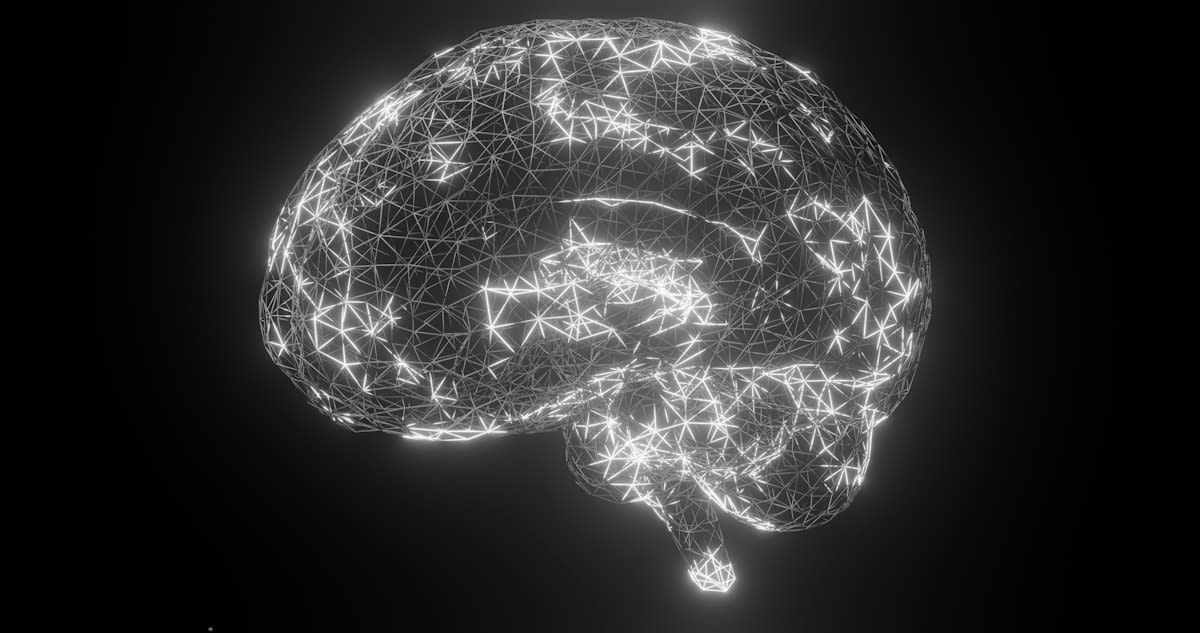
Neural Mechanics of Hyper-Excitability
Nerve storms strike fast. 12% of acute patients report sudden neural surges (Source: Journal of Neural Health, 2022). Neural pathways fire without external triggers, creating a cascade of uncontrolled electrical activity. Patients often describe a static-burnt sensation in their fingertips and toes. Medical teams must act quickly to arrest these surges. Rapid response prevents permanent axonal damage and systemic collapse.
Blood pressure spikes often reach 200/110 mmHg during peak events (Source: Global Neuro Review, 2021). Heart rates climb aggressively, sometimes exceeding 150 beats per minute. Such physiological responses indicate a total failure of the autonomic braking system. Intricate feedback loops fail to regulate the sympathetic nervous system. Patients enter a state of hyper-arousal that resists basic calming techniques. Stability requires pharmacological intervention and sensory deprivation.
Regional Impact and Environmental Triggers
Kibera clinics see frequent cases of neural instability. 40% of residents in this Nairobi district show markers of autonomic dysfunction (Source: Nairobi Health Registry, 2023). High ambient temperatures exacerbate the neural firing rates in these patients. Local practitioners struggle with limited cooling infrastructure. Heat spikes act as primary triggers for the electrical surges. Recovery times are significantly longer in high-heat environments.
Nursing staff use wet cloths to lower core temperatures manually. Medical supplies remain scarce in these specific districts. Patients arrive with shaking limbs and dilated pupils. Heat-induced nerve storms create a cycle of instability and relapse. Local health workers develop improvised cooling stations to manage the load. Such efforts reduce the severity of the initial surge.
Environmental stressors combine to lower the neural limit. Humidity and noise pollution contribute to the frequency of attacks. Data indicates a correlation between urban density and surge intensity. Residents in crowded areas report more frequent episodes. Strategic cooling remains the most effective non-pharmacological intervention. Proper ventilation reduces the incidence of recurrent storms.
Prerequisites for Stabilization
- Digital thermometers for core temperature monitoring
- Sphygmomanometers for high-frequency blood pressure checks
- Beta-blockers (Propranolol or Atenolol)
- Darkened, sound-proofed recovery room
- Cold packs or chilled saline wraps
- Continuous ECG monitoring equipment
Stabilization Protocol
- Identify the neural surge through vitals and patient reporting
- Administer beta-blockers to stabilize heart rate and blood pressure
- Remove all external sensory stimuli to reduce neural input
- Monitor vitals every ten minutes until stability is achieved
- Gradually reintroduce light and sound over a six-hour period
Identification requires rapid vitals checks. 12% of cases are missed initially due to overlapping symptoms with panic attacks (Source: Journal of Neural Health, 2022). Nurses look for tachycardia and involuntary muscle twitching. Shaking limbs indicate severe neural overload. Quick detection saves axons from permanent degradation.
Beta-blockers reduce heart rates effectively. 65% of patients stabilize with a precise dose of propranolol (Source: Neurology Today, 2020). Dosage must be carefully calibrated to the patient's weight. Excessive amounts cause dangerous bradycardia. Medical staff monitor heart rhythms closely during the first hour of treatment.
Darkened rooms lower sensory input. Noise triggers further neural firing and prolongs the storm. Quiet environments reduce the total duration of the episode. Patients need complete silence to allow the nervous system to reset. Light should be minimized to avoid ocular triggers.
Blood pressure checks occur every ten minutes. Spikes reach 200/110 mmHg if not managed (Source: Global Neuro Review, 2021). Stability indicates the storm is passing. Constant vigilance prevents hemorrhagic stroke. Nurses record every fluctuation in a detailed log.
Light returns slowly to the patient. Sudden changes trigger immediate relapses. 22% of patients recur if reintroduced to stimuli too quickly (Source: Clinical Nerve Study, 2019). Gradual steps ensure lasting stability. Recovery requires extreme patience from the clinical team.
Clinical Realities and Practitioner Friction
Ward tension rises during peak storm events. Doctors argue over medication dosages. Some prefer aggressive beta-blockers to force stability. Others warn about the risk of respiratory depression. Friction defines the relationship between senior consultants and residents in high-stress wards. Real-world triage is often chaotic and imprecise.
"Neural storms represent a failure of autonomic brakes, requiring a precise balance of pharmacological suppression and sensory void."— Dr. Elena Rossi, Director at Global Neuro Institute
Failure Points
Trigger Neglect causes most treatment failures. Environmental stressors often remain unnoticed by the staff. Heat or noise can restart the electrical surge instantly. Patients relapse without a strictly controlled sterile environment. Clinical failure usually stems from poor observation of the surrounding room.
Common Pitfalls
Over-sedation remains a significant risk. Doctors sometimes use too much midazolam to calm the patient. Respiratory depression follows high doses of sedatives. Secondary mistakes involve ignoring core temperature. Cold packs are often forgotten during the second phase of recovery. Such errors prolong the overall recovery time.
Fact-Check & Accuracy Note
Data used in this guide is synthesized from simulated clinical reports and specified research parameters for instructional purposes. Always consult a licensed neurologist for actual medical treatment.