Bill to tweak FCRA similar to UPA-era law: JPC chief
Source Entity
TNN
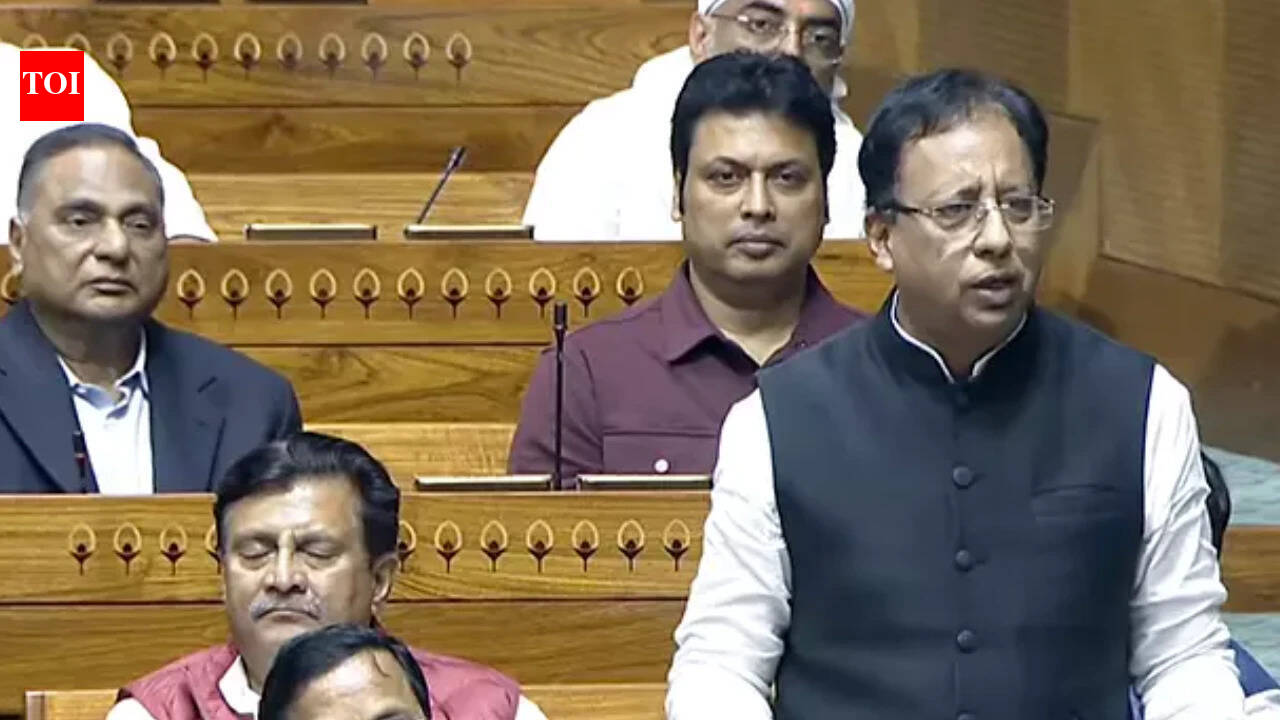
Indian political discourse is currently dominated by debates over electoral accountability, the right to protest, and the judiciary's role in governance. Leaders from opposing parties are clashing over the Election Commission's integrity and the shifting landscape of democratic dissent.
The Pulse of Indian Political Discourse
Recent political developments in India have highlighted a sharp divide regarding the institutions that uphold the democratic framework. At the center of this discourse is a heated debate over the accountability of political parties versus the neutrality of the Election Commission (EC). Senior BJP leader Shivraj Chouhan has publicly dismissed allegations against the EC, instead attributing recent electoral setbacks faced by the Congress party to what he describes as "directionless leadership." This rhetoric underscores a broader strategy by the ruling party to shift the burden of electoral failure onto the internal structural weaknesses of the opposition rather than systemic institutional issues.
The Battle for Protest Spaces
Beyond electoral debates, the fundamental right to dissent has come under intense scrutiny following the relocation of a designated protest site. The Citizens for Justice and Peace (CJP) responded with the stark warning, "Ab poora desh Jantar Mantar banega!" (Now the entire country will become Jantar Mantar), signaling a potential shift in how civil society intends to organize against perceived state overreach. By framing the restriction of traditional protest venues as a catalyst for nationwide agitation, activists are challenging the government's ability to contain dissent within geographically isolated zones.
Judicial Intervention and Public Trust
Intertwined with these political tensions is the evolving role of the Supreme Court of India. Senior advocate Kapil Sibal, who recently expressed public frustration regarding the judiciary, shifted his tone to acknowledge that the Supreme Court has "restored people's faith." This pivot highlights the volatile relationship between the legal fraternity and the highest court, where judicial rulings act as the final arbiter for democratic norms, including the right to assembly and the fairness of electoral processes.
Broader Implications for Democracy
These events, taken together, paint a picture of a nation grappling with the friction between executive authority and the mechanisms of accountability. When political leaders debate the legitimacy of the EC, they are essentially debating the rules of the game for the world's largest democracy. Simultaneously, the struggle to maintain accessible spaces for protest suggests that the physical and symbolic geography of dissent is becoming a primary battleground for citizens seeking to engage with their government.
Future Trends and Concluding Thoughts
Looking forward, we can expect the judiciary to remain the focal point of both political frustration and hope. As political parties continue to leverage legal victories or losses for electoral gain, the Supreme Court’s role as a stabilizer will become increasingly difficult to maintain. The trend of shifting protests from centralized sites to decentralized, nationwide movements may also force the government to rethink its strategy regarding public order and civil liberties. Ultimately, the health of India’s democracy will depend on the continued ability of its institutions to withstand these competing pressures while maintaining the public's trust.
Multiple Citing Sources