Trump cancels Pentagon plans to livestream firing squad execution
Source Entity
Ashley Belanger
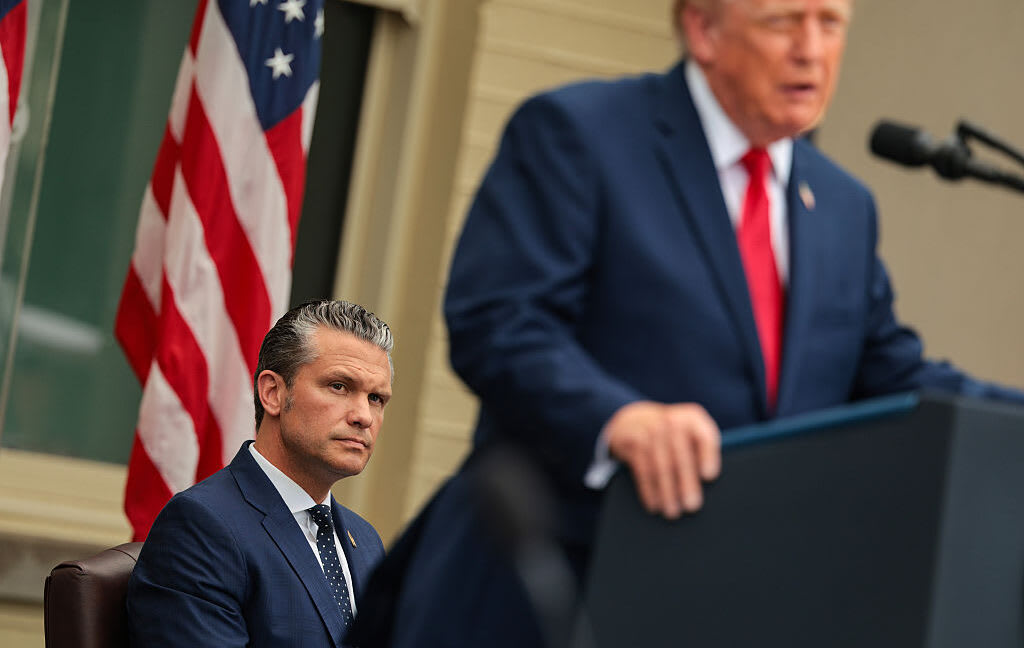
President Trump has canceled the Pentagon's controversial plan to livestream the December 3 execution of Fort Hood mass shooter Nidal Hasan. The decision follows widespread bipartisan backlash and concerns from military leaders that the broadcast would serve as a propaganda tool.
The Cancellation of the Nidal Hasan Execution Livestream
President Donald Trump has officially reversed the Pentagon's controversial plan to broadcast the December 3 execution of Nidal Hasan via livestream. Hasan, a former U.S. Army Major, was convicted for the 2009 mass shooting at Fort Hood, Texas, which resulted in the deaths of 13 individuals and left over 30 others wounded. While the execution itself remains scheduled to proceed, the administration's decision to halt the public broadcast marks a significant shift following intense national scrutiny.
Origins of the Controversy
The controversy began when Secretary of Defense Pete Hegseth announced that the execution—the first of a U.S. soldier since World War II—would be livestreamed. This proposal faced immediate and fierce resistance from a broad spectrum of American society. Critics, including 72 retired U.S. generals and admirals, condemned the plan as "barbaric," arguing that such a display would dishonor the military and potentially transform the perpetrator into a "martyr," thereby serving as a dangerous recruiting tool for extremist elements.
Public and Political Backlash
The opposition to the livestream crossed traditional political divides. An ABC News poll released on the day of the cancellation revealed that 8 in 10 Americans opposed the broadcast, a sentiment shared by a 55 percent majority of MAGA Republicans. Lawmakers from both major political parties and various religious leaders joined the chorus of dissent, putting pressure on the administration to reconsider a move that many viewed as an unprecedented abuse of authority.
Internal Administration Dynamics
Reports suggest that the initial announcement of the livestream caught President Trump off guard. While Trump has expressed strong support for the execution of Hasan, describing him as a "very bad and evil man" in a Truth Social post, sources indicate that he was blindsided by the Pentagon's decision to make the event public. This disconnect highlights the internal friction regarding the optics of military justice and the potential long-term security implications of such a broadcast.
Strategic and Security Implications
The primary concern cited by critics was the potential for the footage to be utilized by terrorists for propaganda purposes. By choosing not to livestream the event, the administration has opted to prioritize the preservation of military dignity and the prevention of radicalization over the spectacle of public retribution. This decision effectively mitigates the risk of the execution being weaponized in the ongoing global discourse surrounding extremism.
Conclusion
As the December 3 execution date approaches, the focus remains on the judicial finality of the case rather than the public consumption of the event. The reversal underscores the power of bipartisan public opinion and the influence of retired military leadership in shaping national security policy. By opting against the livestream, the administration has navigated a complex ethical minefield, ensuring that justice is carried out without inadvertently providing a platform for the very ideologies the perpetrator sought to advance.