NSUI stages dharna over ‘assault’ on women members by police amid anti-CEC protest
Source Entity
Alok Singh
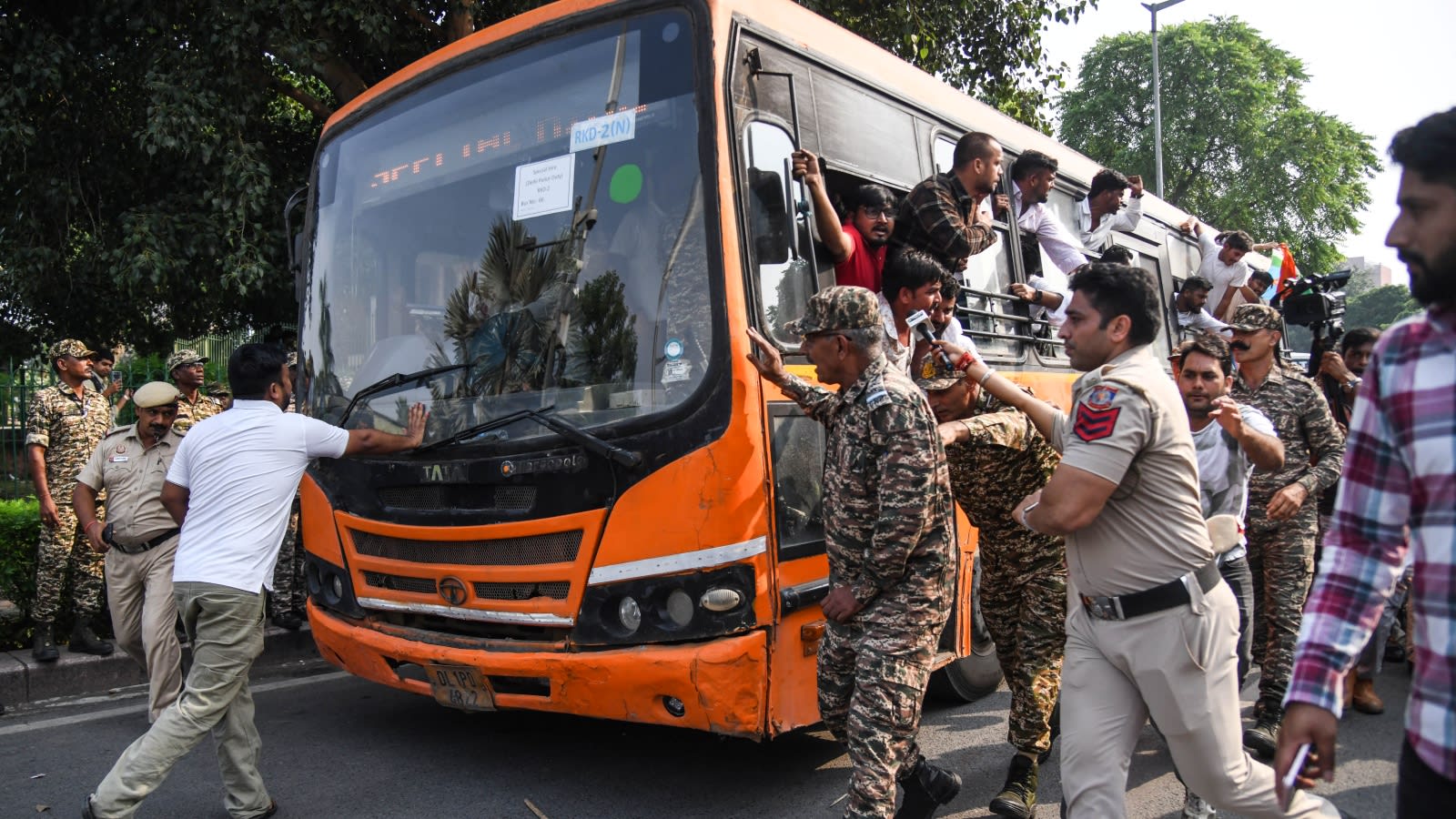
The NSUI staged a protest in New Delhi demanding the resignation of Election Commissioner Gyanesh Kumar. The demonstration escalated into a standoff at Connaught Place following allegations of police misconduct against women activists.
Tensions Escalate at Connaught Place Over Election Commission Protests
On Tuesday, the political landscape in New Delhi witnessed a significant confrontation as the National Students’ Union of India (NSUI), the student wing of the Indian National Congress, organized a protest against Chief Election Commissioner Gyanesh Kumar. The demonstration, which began near Gate 7 of the Rajiv Chowk Metro station, quickly evolved from a political rally into a volatile standoff between student activists and law enforcement agencies.
The Catalyst for Unrest
The central demand of the NSUI activists was the immediate resignation of Chief Election Commissioner Gyanesh Kumar. By targeting the leadership of the Election Commission of India, the student organization signaled a broader dissatisfaction with the current electoral oversight framework. The gathering of hundreds of activists under the leadership of NSUI national president Vinod Jakhar highlights the growing intensity of student-led political mobilization in the capital.
Escalation and Police Intervention
As the protest progressed, the situation deteriorated when Delhi Police personnel moved to detain several protesters, including Vinod Jakhar. The tension reached a critical point when a protester attempted to physically obstruct a bus transporting detained NSUI members. This act of defiance led to a direct intervention by security personnel, resulting in allegations of physical assault against women members of the NSUI during the process of detention.
Allegations of Misconduct and Public Stance
Following the detentions, the NSUI shifted their demonstration to the exterior of the Connaught Place police station. They utilized this platform to stage a dharna, specifically protesting the alleged aggressive tactics employed by the police during the initial dispersal and detention of their members. These accusations of misconduct against women protesters have added a layer of sensitivity to the situation, drawing wider attention to the conduct of law enforcement during political demonstrations.
Broader Implications for Student Activism
The events at Connaught Place reflect the ongoing friction between political dissent and state authority in India. When student wings of major national parties take to the streets, the risk of escalation remains high, particularly when the grievances are directed at sensitive constitutional bodies like the Election Commission. The incident underscores the fragility of public order during high-stakes political protests and highlights the challenges faced by law enforcement in managing crowds while adhering to human rights standards.
Future Outlook and Conclusion
The aftermath of this protest is likely to see continued political discourse regarding the independence of the Election Commission and the treatment of activists by the Delhi Police. As the NSUI continues to demand accountability, the incident serves as a reminder of the volatile nature of political protests in urban centers. Moving forward, the focus will likely remain on the verification of these assault allegations and the potential for further legislative or judicial scrutiny regarding police conduct in protest scenarios.