‘Ramlila Maidan booking rules for festivities not reasonable’: HC says frame policy every year
Source Entity
Sohini Ghosh
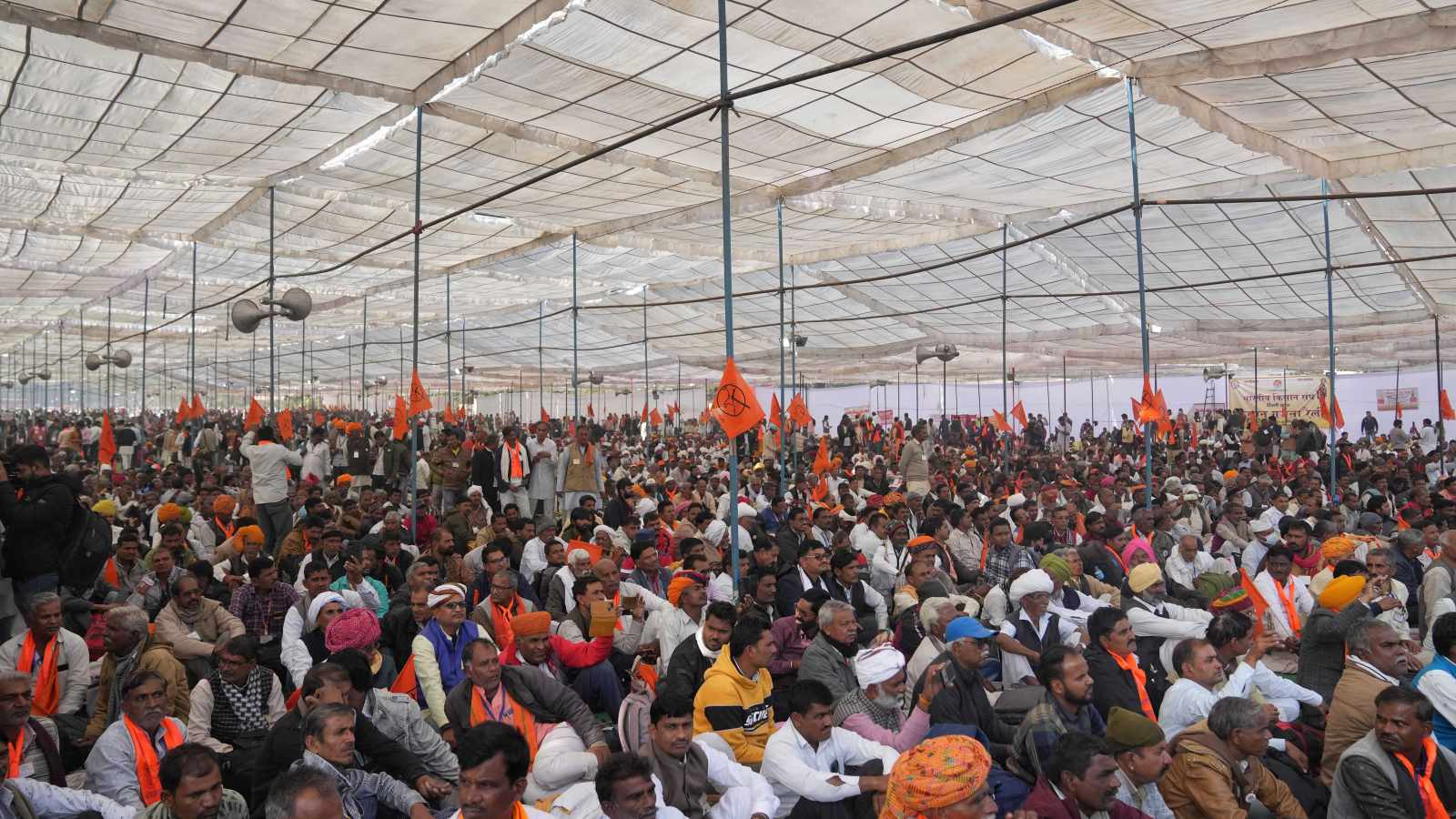
The Delhi High Court is addressing legal challenges regarding protest site restrictions and their economic impact on traders. Simultaneously, the Calcutta High Court has denied bail to former West Bengal minister Sujit Bose in a municipal recruitment fraud case.
Judicial Scrutiny of Protests and Corruption Cases
The Economic Toll of Protest Restrictions
The Delhi High Court is currently managing a complex intersection of civil rights and economic stability. Traders' associations have approached the court, citing a staggering loss of Rs 2,000 crore attributed to barricades and security restrictions surrounding protest sites. The petitioners are calling for the strict implementation of an existing Standard Operating Procedure (SOP) originally outlined by the Supreme Court, arguing that current measures have stifled local business operations.
Legal Battles Over Protest Sites
Beyond economic concerns, the right to protest remains a contentious issue. The Indian Youth Congress (IYC), represented by President Uday Bhanu Chib, has challenged the denial of permission to assemble at Jantar Mantar. The situation gained complexity when the Delhi Police formally denotified Jantar Mantar as a protest site, redirecting such activities to designated areas like Burari Ground and Ramlila Maidan. The court is now tasked with determining the validity of these restrictions versus the constitutional right to peaceful assembly.
Regulatory Challenges and Government Stance
The Centre has argued that some petitions regarding protest sites have become redundant due to the shifting designation of protest locations. However, the legal representatives for the traders and civil groups maintain that the current infrastructure—specifically the barricades—violates the spirit of the SOPs. The Delhi High Court’s decision to allow urgent listing of these pleas highlights the judiciary’s role in balancing public order with the fundamental rights of citizens and the livelihood of the business community.
Corruption Allegations in West Bengal
In a separate legal development, the Calcutta High Court has denied bail to former West Bengal minister Sujit Bose. Bose is currently embroiled in an Enforcement Directorate (ED) investigation into an alleged municipal recruitment scam. The accusations involve the illegal recommendation of approximately 150 candidates for employment within the South Dumdum Municipality, a case that has drawn significant public attention.
Broader Implications and Future Trends
The denial of Bose’s bail, particularly during the significant cultural period of Durga Puja, underscores the gravity with which the judiciary is treating these corruption allegations. For the first time in years, Bose will be absent from the festivities of the Sreebhumi Sporting Club, a detail that emphasizes the reach of these legal proceedings. Looking ahead, these cases signal a trend of increased judicial oversight, both in the management of urban public spaces and in the aggressive pursuit of public sector recruitment irregularities.
Conclusion
These events collectively illustrate the heavy reliance on the Indian judicial system to resolve systemic administrative and political tensions. Whether it is the economic impact of protest-related barricades in the national capital or the high-stakes legal battles involving former government officials in West Bengal, the courts remain the final arbiter in managing the competing interests of state security, public rights, and institutional accountability.
Multiple Citing Sources