Duane ‘Keffe D’ Davis gets 40 years to life for orchestrating Tupac's murder; rapper's sister speaks out after sentencing
Source Entity
Latest News: Todays Latest News Headlines from India & World | Hindustan Times | Hindustan Times
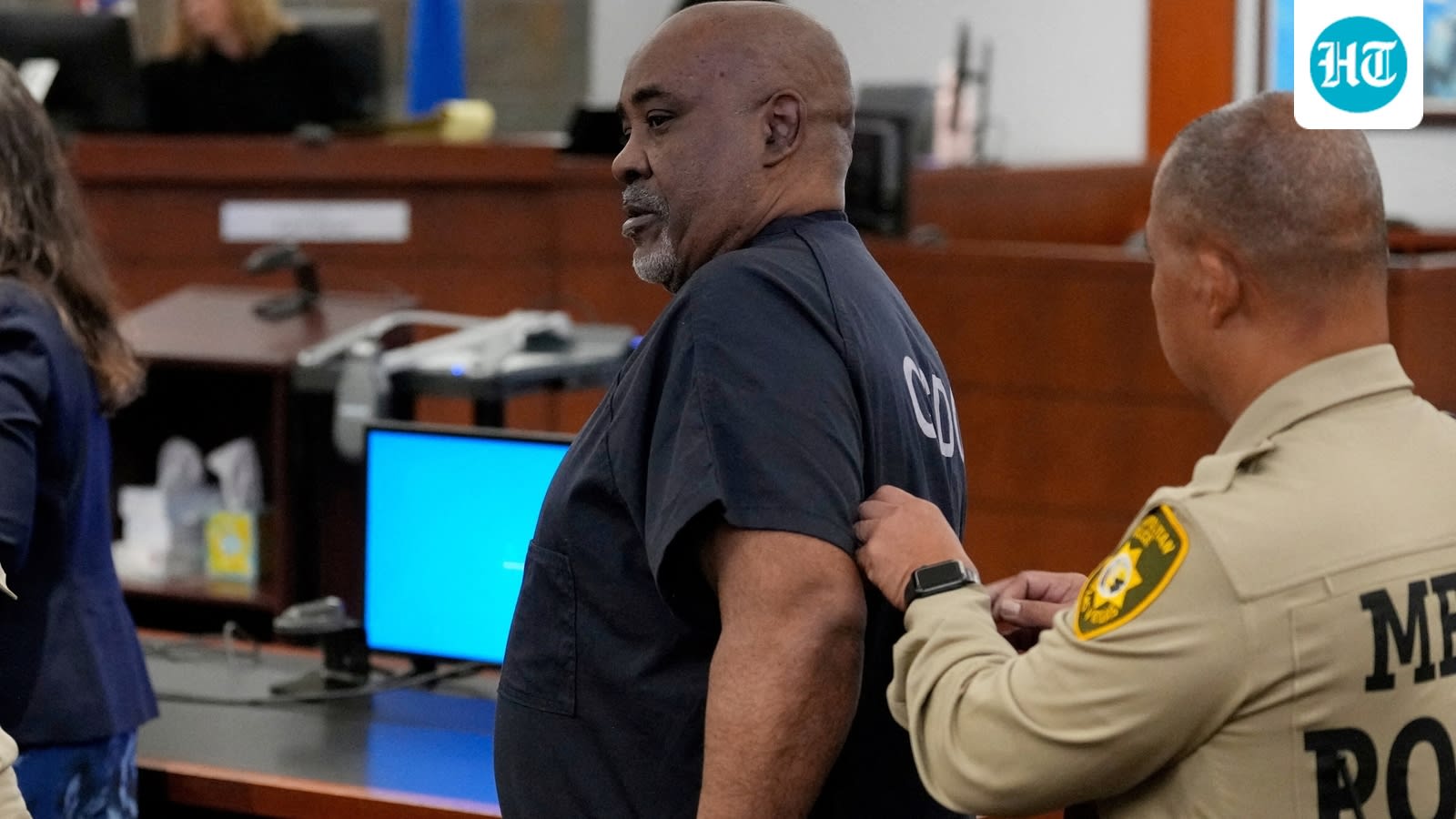
Former gang leader Duane 'Keffe D' Davis has been sentenced to 40 years in prison for his role in the 1996 murder of rapper Tupac Shakur. The conviction follows decades of cold-case investigation and was secured largely through Davis's own public admissions and memoir.
The Long Road to Justice for Tupac Shakur
After nearly three decades of speculation and investigative stagnation, the legal system has finally delivered a verdict in one of music history's most enduring mysteries. Duane "Keffe D" Davis, a former leader within the Los Angeles-based Crips gang, has been sentenced to a minimum of 40 years in prison for his role in the 1996 murder of Tupac Shakur. This sentencing brings a definitive, if belated, conclusion to a case that has haunted the hip-hop community since the iconic rapper was gunned down in Las Vegas at the age of 25.
The Context of a Cultural Icon
Tupac Shakur was not merely a musician; he was a defining figure of the late 20th century, representing the raw, often violent realities of the era's East Coast-West Coast hip-hop rivalry. His death occurred at the height of his influence, leaving a void in the cultural landscape that sparked decades of conspiracy theories and public outcry. For years, the investigation into his murder was widely criticized for its inability to produce results, leaving fans and the public to wonder if the truth behind the shooting would ever be fully uncovered.
The Downfall of a Self-Proclaimed Architect
Perhaps the most striking element of this case is how the perpetrator effectively dismantled his own immunity. Duane Davis, who long operated with a sense of impunity, openly discussed his involvement in the killing in his 2019 memoir, Compton Street Legend, and in various media interviews. By choosing to monetize his history as a gang leader, Davis inadvertently provided the very evidence needed to secure his conviction. These public admissions ultimately voided a 2008 protective agreement he had established with authorities, which had previously shielded him from prosecution.
The Role of Investigative Persistence
The case against Davis was built on a foundation of his own words. Authorities relied heavily on his public acknowledgments of being inside the white Cadillac from which the fatal shots were fired. This outcome serves as a stark reminder of the long-reaching arm of the law, even in cases that have gone "cold" for thirty years. It highlights how digital footprints, memoirs, and public interviews can transform from ego-driven publicity stunts into damning court evidence.
Broader Implications for Crime and Accountability
This sentencing marks a significant turning point in the history of hip-hop crime investigations. It closes the chapter on a case that was intrinsically linked to the death of fellow rapper Christopher Wallace, known as The Notorious B.I.G., who was killed just months after Shakur. By addressing the orchestrator of the violence, the court has provided a sense of closure to a dark period of gang-related conflict that defined the 1990s in Los Angeles.
Conclusion: A Legacy Defined
As Duane Davis faces the reality of dying in custody, the focus returns to the legacy of Tupac Shakur. The legal resolution of this case allows for a shift in historical narrative—moving away from the mystery of "who did it" and back toward the artistic impact of a man who was silenced in his prime. This verdict stands as a testament to the fact that time does not always erase the accountability for violent acts, regardless of how many decades have passed.
Multiple Citing Sources
Verification Required?