The Myth of the Central Command
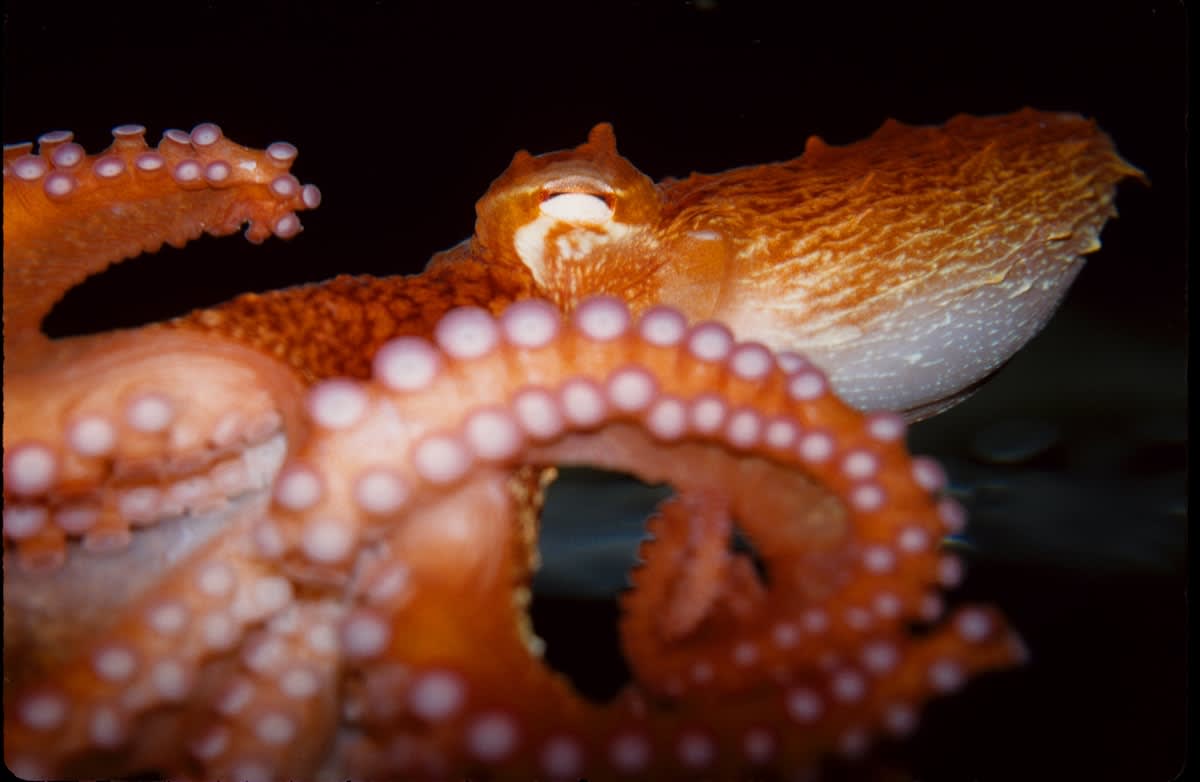
The human brain is a fortress. We have spent centuries treating it as the sole seat of power, the undisputed CEO of the body that issues commands to passive limbs. This centralized model of intelligence is not just a biological fact; it is a philosophical anchor that limits how we perceive consciousness. We assume that for an entity to be 'aware,' it must possess a concentrated hub of processing power. The octopus, however, laughs at this architecture. It doesn't just possess intelligence; it distributes it across its entire physical being, challenging the very notion of a singular 'I'.
This is not a minor biological quirk. It is a systemic shift in how intelligence can be organized in nature. While we rely on a top-down hierarchy, the octopus utilizes a nervous system that is spread throughout its body. This means the arms are not merely tools for execution but are active participants in the cognitive process. Why do we insist that consciousness requires a central throne? The cephalopod suggests that awareness can be a network rather than a pyramid, a realization that forces us to rethink the biological requirements for a sentient mind.
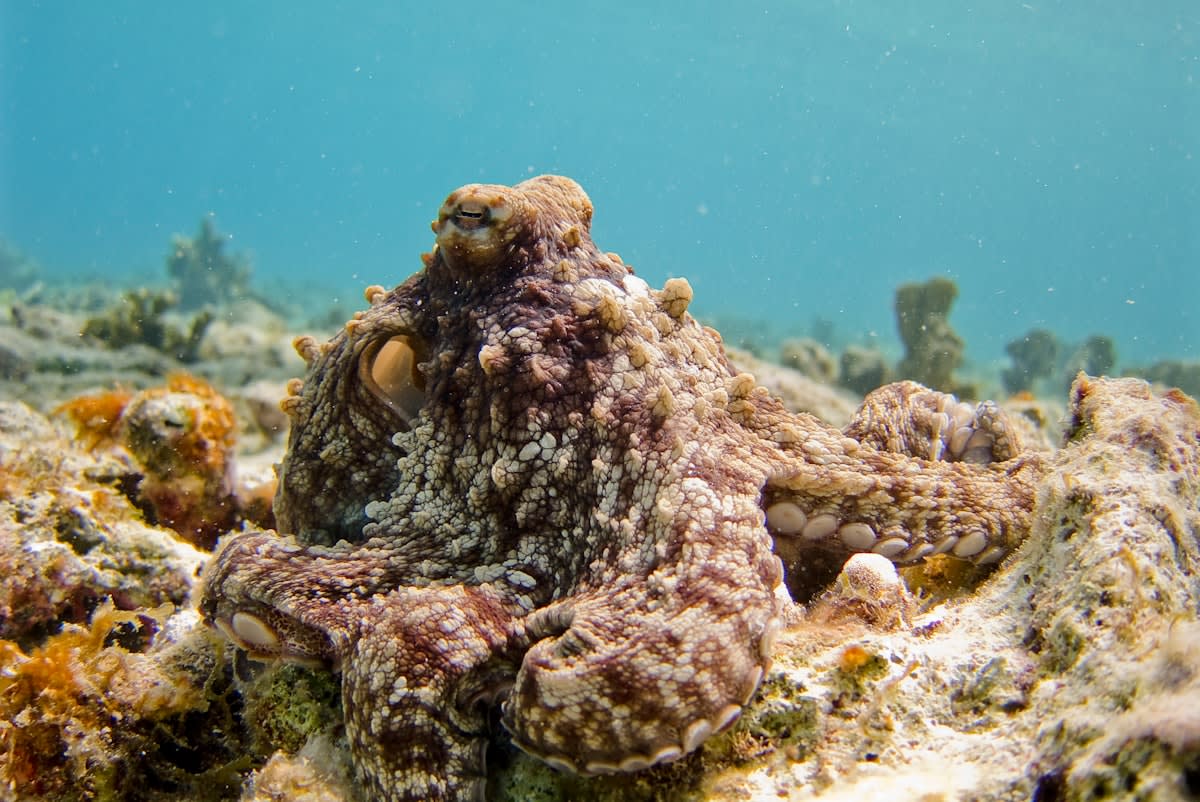
When we compare the octopus to other famously brainy animals, the disparity in architecture becomes staggering. Scientific American notes that octopuses are as clever in their own way as crows, dolphins, or chimpanzees. Yet, they achieved this level of cognitive sophistication through a completely separate evolutionary path. They didn't follow the vertebrate blueprint of a centralized skull and spinal cord. Instead, they evolved a system where neural bundles reside in the arms, creating a decentralized intelligence that operates in parallel.
"Octopuses are as clever, in their own way, as such famously brainy animals as crows, dolphins or chimpanzees. But they’re endowed with a fundamentally different intelligence, one shaped by a separate evolutionary path."— Scientific American
This distributed nature raises a provocative question: could an octopus arm be an independent form of consciousness? If the arm can process sensory data and react to its environment without waiting for a signal from the central brain, it possesses a level of autonomy that is alien to the human experience. We are used to a single stream of consciousness. The octopus may be experiencing a chorus of consciousness, where multiple nodes of awareness coordinate to achieve a goal. This shift from a monologue to a dialogue of the self is the most significant challenge to our current neuroscientific paradigms.
The Sleep Paradox and the Markers of Awareness
If consciousness is distributed, how do we measure it? One of the most telling indicators of complex mental states is sleep. Sleep is not merely the absence of activity; it is a homeostatically controlled state of immobility that is rapidly reversible. In the study of cephalopods, researchers have identified specific criteria to determine if a species truly 'sleeps' in a way that implies an internal mental life. This research provides a quantitative lens through which we can view the depth of octopus awareness.
The data reveals a fascinating gradient of sleep-like states across species. Octopus vulgaris has been shown to satisfy 100% of the three primary criteria for sleep, confirming a sophisticated level of arousal control. In contrast, the cuttlefish Sepia officinalis satisfies two of the three criteria, though it has not yet been fully tested on the third, the arousal threshold. This distinction suggests that while the capacity for complex mental states is widespread among cephalopods, it varies in intensity and structure, further proving that there is no single 'on/off' switch for consciousness.
The Sleep Benchmarks
To qualify as 'sleep' in cephalopod research, a state must be: 1. Rapidly reversible, 2. Homeostatically controlled, and 3. Characterized by an increased arousal threshold.
This ability to enter and exit states of reduced awareness is a hallmark of an organism that does more than just react to stimuli. It suggests a level of internal processing and recovery that is typical of high-functioning brains. By observing these patterns, we see that the octopus's distributed system doesn't hinder its ability to achieve complex states; it simply does so through a different mechanism. The existence of sleep in a creature without a traditional vertebrate brain dismantles the assumption that a complex, centralized brain is a prerequisite for consciousness.
Intelligence Without a Throne
The traditional assumption that consciousness requires a centralized brain is currently being dismantled by a convergence of research across neuroscience, plant biology, and animal cognition. As highlighted by the United Humanists, we are seeing evidence that awareness is far more widely distributed across life on Earth than previously admitted. This shift moves us away from a human-centric definition of the 'mind' and toward a more fluid understanding of biological intelligence. If consciousness is relative to the sophistication of biological systems, then the octopus is not an outlier, but a pioneer of an alternative cognitive strategy.
| Feature | Centralized Intelligence (Mammalian) | Distributed Intelligence (Cephalopod) |
|---|---|---|
| Command Structure | Single Central Brain | Distributed Neural Bundles |
| Processing Logic | Top-Down Control | Localized Autonomous Processing |
| Evolutionary Path | Vertebrate Lineage | Separate Cephalopod Path |
| Consciousness Model | Unitary Ego | Potential Multi-center Awareness |
| Sleep Criteria Met | High (Centralized) | High (Distributed - O. vulgaris) |
To understand this distributed awareness, we can look at the human 'split-brain' cases. In patients with epilepsy where the corpus callosum—the bridge between the two hemispheres—is removed, the two halves of the brain can operate almost independently. This creates a scenario where different parts of the same organism possess different knowledge and desires. The octopus essentially lives in a permanent, evolved state of split-brain. Instead of two hemispheres, it has a central hub and eight semi-autonomous arms, each capable of independent thought and action.
From Tentacles to Silicon: The AI Parallel
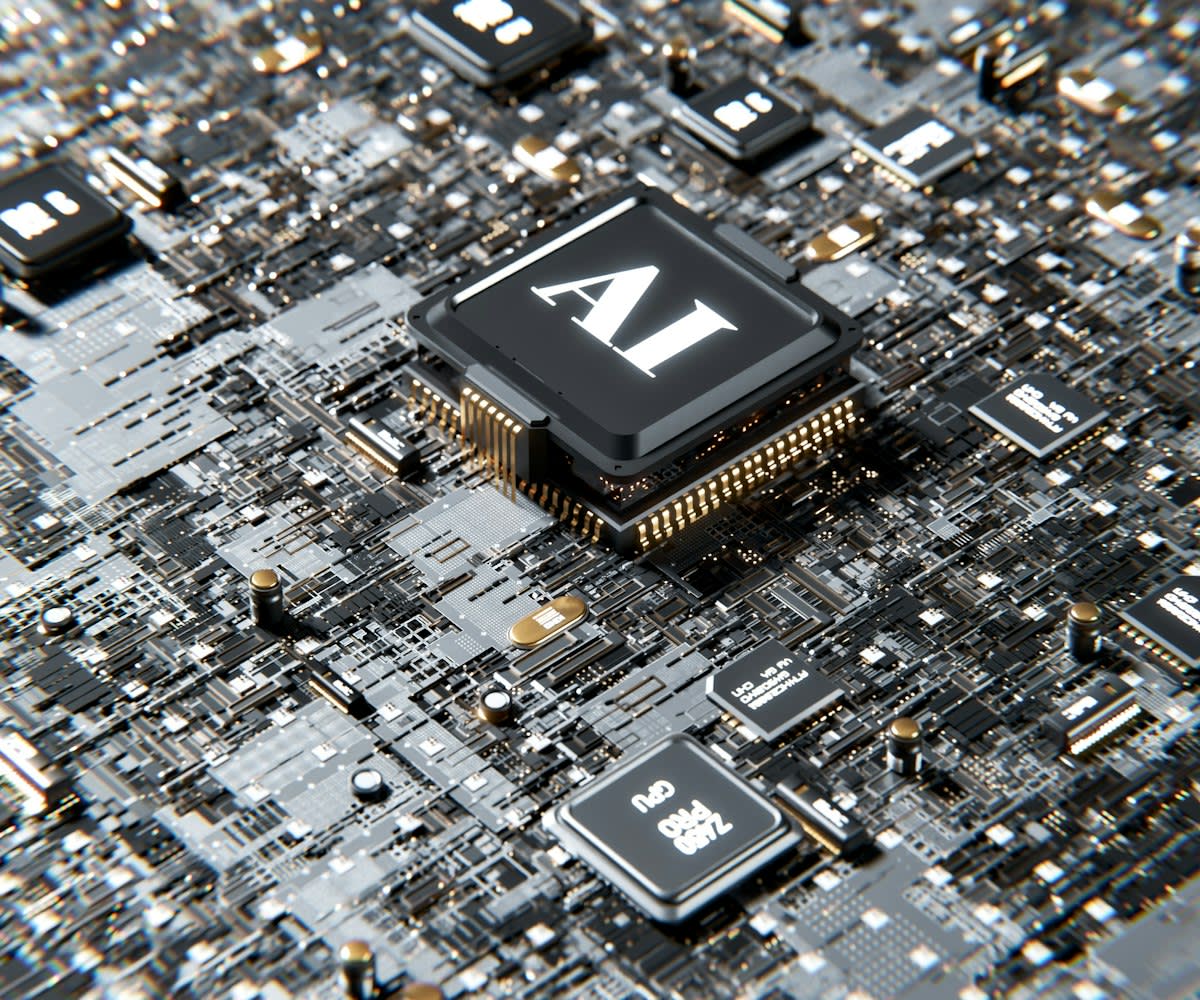
The implications of the octopus's brain extend far beyond marine biology; they provide a roadmap for the future of Artificial Intelligence. Most current AI operates on von Neumann architecture, where processing and memory are separated, mirroring the centralized command structure of the human brain. However, Susan Schneider suggests that the path to true AI consciousness may lie in neuromorphic machines. These are systems deliberately designed to emulate the physical features of the brain—or in this case, the distributed features of a cephalopod.
If consciousness is tied to the physical architecture of the system, then a neuromorphic machine that mimics a distributed network may have a higher capacity for genuine awareness than a standard algorithm running on traditional hardware. We are essentially asking if the 'how' of the processing matters as much as the 'what.' The octopus proves that you can achieve high-level intelligence without a central processor. Therefore, the next leap in AI may not come from more data or larger models, but from a fundamental redesign of the hardware to mirror this decentralized biological success.
"You could have two AI systems running the same algorithm: One could be an embodied, neuromorphic machine deliberately designed to emulate certain features of the brain, and the other could be running on normal von Neumann architecture. And it very well could be that only the former is conscious."— Susan Schneider
Ultimately, the octopus serves as a mirror, reflecting the limitations of our own intellectual arrogance. We have long equated consciousness with the human experience, yet here is a creature that thinks, sleeps, and solves problems using a system that is fundamentally alien to us. By embracing the distributed model, we open the door to a more inclusive definition of intelligence—one that recognizes that the mind is not a place, but a process. Whether in the depths of the ocean or the circuits of a neuromorphic chip, the future of intelligence is decentralized.