
Generic nutrition is dead. For decades, the world relied on one-size-fits-all dietary guidelines that ignored the intricate dance between our biological clocks and our metabolic response. Why do some people thrive on fasting while others crash? Why does a specific protein intake work for an athlete in Tokyo but fail a professional in New York? The answer lies in precision metabolism. This isn't about a new fad; it is about the strategic alignment of nutrient timing and quality to support the body's internal machinery, specifically the mitochondria, which power every breath and thought we have.
We are seeing a systemic shift in how health is managed. From the integration of AI chatbots in daily fitness routines to the rise of medically tailored grocery programs, the era of the 'average patient' is over. The goal now is resilience and adaptation. By syncing what we eat with our biological imperatives, we stop fighting our bodies and start fueling them. This protocol provides the blueprint for that synchronization, stripping away the marketing noise to focus on what actually moves the needle.
Prerequisites for Implementation
Before initiating the Precision Metabolism Protocol, you must establish a baseline of data. You cannot optimize what you do not measure. This requires a shift in mindset: treat your nutrition as a biological input rather than a culinary preference. You will need tools that provide real-time feedback and a willingness to discard long-held beliefs about supplement-driven longevity.
- Accurate current body weight in kilograms for protein calibration.
- Access to an AI-driven nutrition or fitness chatbot for personalized prompt engineering.
- A commitment to foundational habits: consistent sleep and regular physical exercise.
- Access to functional foods or medically tailored grocery options if managing specific metabolic conditions like type 2 diabetes.
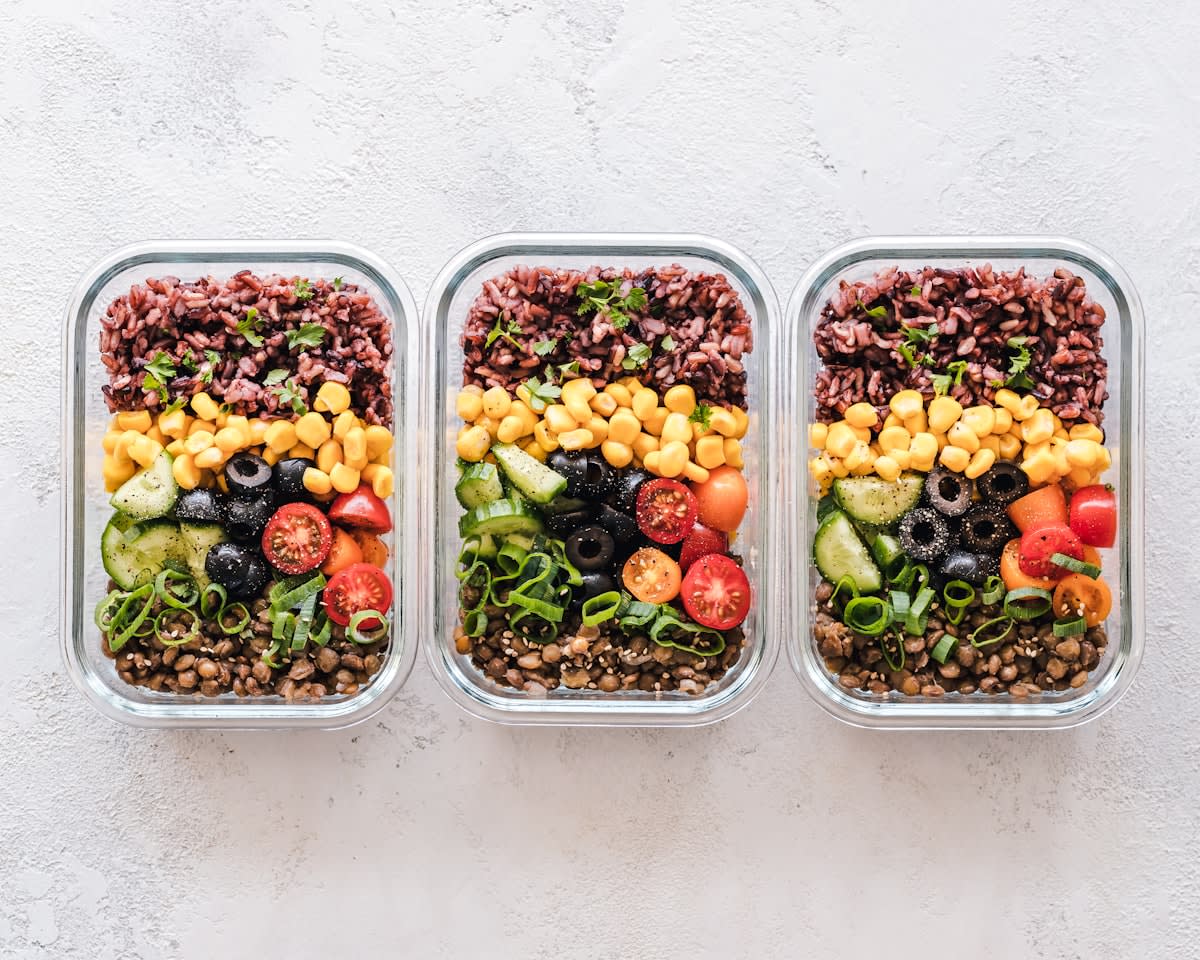
Once these prerequisites are met, the focus shifts to the execution. The protocol is divided into specific phases of calibration, starting with the most fundamental building block of metabolic repair: protein.
The Step-by-Step Execution
- Calibrate Protein Intake: Forget the 'more is better' muscle-building myth. Based on current wellness data from 2026, there is a ceiling to how much protein actually aids muscle growth. Aim for 0.8g of protein per kg of body weight. This prevents metabolic overload and ensures your body utilizes nutrients efficiently without unnecessary strain.
- Deploy AI Nutrition Architecting: Leverage AI chatbots to lower the barrier to self-reflection. Use these tools not for generic plans, but to define your specific goals and questions. By using AI to refine your fitness routines and nutrition prompts, you create a dynamic feedback loop that adapts to your biological responses in real-time.
- Prioritize Mitochondrial Foundations: Stop chasing the 'longevity pill.' While mitochondria are the energy powerhouses of the cell, evidence does not support the claim that supplements alone can extend lifespan. Instead, sync your biological clock by prioritizing exercise, nutrition, and sleep. These are the only proven methods to support mitochondrial function and slow the aging process.
- Integrate Medically Tailored Nutrition: If you are managing metabolic dysfunction, such as type 2 diabetes, move toward a 'Food is Medicine' approach. Evidence from Kaiser Permanente, Tufts University, and The George Institute for Global Health demonstrates that medically tailored grocery deliveries significantly improve blood sugar control compared to usual care. This is the gold standard for clinical metabolic synchronization.
- Layer in Targeted Wellness Options: Once foundations are set, explore natural supports. In regions like New Zealand, health-conscious users are increasingly integrating CBD gummies into their wellness routines. These should be viewed as complementary tools to manage the stress response, which in turn protects metabolic efficiency.
This sequence is intentional. Most people attempt to start at step five—adding supplements—without ever addressing the mitochondrial foundations of sleep and exercise. This is a fundamental error. Without the engine (mitochondria) functioning correctly, the high-grade fuel (precision nutrition) is wasted.
Clinical Insight
The 'Food is Medicine' shift is more than a trend; it is a clinical evolution. When nutrition is tailored to a medical condition and delivered as a prescribed intervention, the results in blood sugar control are markedly superior to generic dietary advice.
To understand the impact of these shifts, we must look at the data comparing traditional wellness approaches against the precision model. The difference is not just in the results, but in the sustainability of the outcomes.
| Approach | Primary Driver | Evidence Base | Expected Outcome |
|---|---|---|---|
| Traditional Wellness | Generic Supplements | Marketing Claims | Variable/Low |
| Precision Metabolism | Mitochondrial Habits | Clinical Studies | High/Sustainable |
| Medically Tailored | Clinical Grocery Integration | Randomized Controlled Trials | Improved Glycemic Control |
Does this mean supplements are useless? Not necessarily. But it means they are secondary. The obsession with mitochondrial supplements often masks a refusal to address the basics of sleep and movement. If you are spending hundreds of dollars on longevity pills but sleeping five hours a night, you are fighting a losing battle against your own biology.
"Experts add that there is a ceiling of how much protein can help with building muscle – it’s generally recommended that most adults aim for 0.8g of protein per kg of body weight."— The Guardian, Wellness Trends 2026

The integration of AI into this protocol is what makes it 'precision.' Rather than following a static PDF guide, the modern practitioner uses AI to navigate the complexities of their own data. Whether it is adjusting protein ratios based on daily activity or using prompts to identify emotional triggers for overeating, AI acts as the bridge between clinical data and daily habit.
Common Pitfalls to Avoid
Even with a clear protocol, most people stumble in the same places. The first is the 'Supplement Trap.' Many are lured by the promise of mitochondrial supplements that claim to extend lifespan. However, high-quality human clinical studies have yet to prove that these supplements significantly improve the healthy lifespan of healthy people. Relying on them while ignoring sleep is a recipe for stagnation.
The second pitfall is protein obsession. The culture of extreme protein intake—often far exceeding the 0.8g/kg recommendation—can lead to metabolic inefficiency. More is not always better. When you exceed the biological ceiling for protein utilization, you aren't building more muscle; you are simply creating more metabolic waste for your kidneys to process.
Finally, avoid the mistake of 'isolated optimization.' Trying to fix your blood sugar without addressing your grocery source, or trying to fix your energy without addressing your sleep, is like trying to fix a car by only polishing the headlights. The Precision Metabolism Protocol only works when the components—AI planning, tailored nutrition, and mitochondrial habits—operate as a single, unified system.