Did Trump Pick Wrong Dana White For Press Secretary? Internet Is Convinced
Source Entity
NDTV News Search Records Found 1000
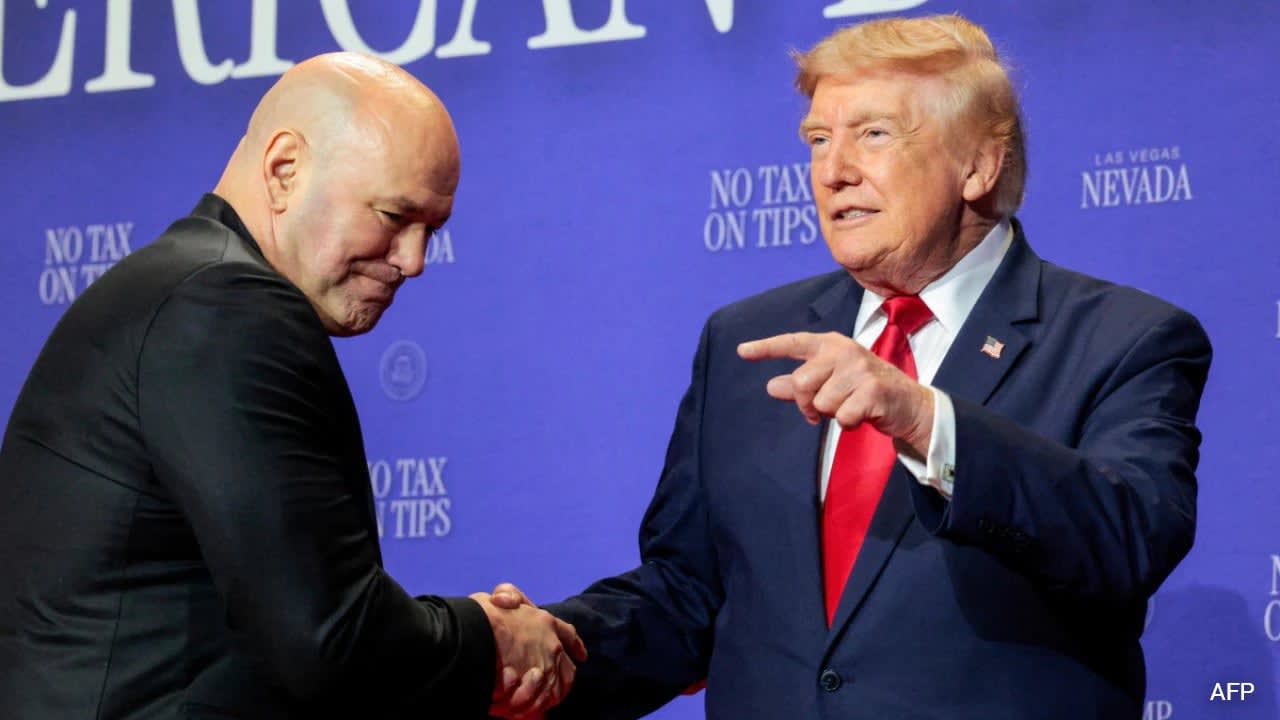
UFC CEO Dana White has declined an offer from Donald Trump to serve as White House press secretary. The public discourse surrounding this potential appointment has highlighted confusion and widespread internet speculation regarding the suitability of the role.
The Intersection of Sports Entertainment and Political Communication
The recent news cycle has been dominated by reports concerning Donald Trump’s overture to Dana White, the long-standing CEO of the Ultimate Fighting Championship (UFC), to assume the role of White House press secretary. White, who has been a prominent figure in the professional sports landscape for decades, is recognized globally as the architect behind the UFC’s rise to become the premier organization in mixed martial arts. This proposed appointment signaled a potential departure from traditional political communication strategies, favoring a personality-driven approach rooted in the high-stakes world of combat sports entertainment.
The Dynamics of a Declined Appointment
Following initial reports of the offer, it was confirmed that Dana White declined the position. While the specific reasoning behind the refusal remains centered on personal professional commitments, the interaction highlights the unique relationship between the President-elect and the UFC leadership. White has long been a vocal supporter of Trump, often appearing at rallies and events, which historically blurred the lines between the political establishment and the world of professional athletic promotion. The refusal brings a swift conclusion to what many political analysts viewed as an unconventional staffing choice.
Internet Speculation and Public Perception
The announcement triggered a significant wave of digital discourse, with many users on social media platforms questioning the intent and viability of such a nomination. A recurring theme in this online commentary was the confusion regarding whether Trump had selected the 'right' Dana White, or if the choice was a calculated move to leverage White's massive media influence. This skepticism underscores the modern trend where public figures from the entertainment and sports sectors are increasingly viewed through the lens of political utility, even when those figures lack traditional experience in governmental policy or press management.
Historical Context: Sports Figures in Politics
The attempt to bring Dana White into the White House reflects a broader historical trend in American politics where celebrity figures are recruited to bolster administration messaging. From professional athletes to media moguls, the transition from private sector branding to public sector communication is fraught with challenges. The press secretary role requires a mastery of nuanced policy details and diplomatic language—skills that are distinct from the aggressive, direct, and often polarizing style that characterizes the promotional side of the UFC.
Broader Implications for Future Appointments
This episode serves as a case study for how future administrations may approach staffing. By considering a high-profile executive like White, the administration signals a preference for 'disruptor' candidates over career bureaucrats. However, the subsequent rejection highlights the limitations of this strategy; not all high-profile leaders are willing or able to step into the intense, highly scrutinized environment of the White House press room. As the search for a permanent press secretary continues, the administration will likely need to pivot toward candidates with a more traditional background in media relations to ensure long-term stability.
Concluding Summary
In summary, the brief saga involving Dana White and the White House press secretary position underscores the evolving nature of political communication in the digital age. While the offer was ultimately declined, the event has provided a clear view into the administration's willingness to challenge convention. Moving forward, the focus will shift to how the administration balances the need for effective, professional communication with the desire for the high-impact branding that figures like Dana White represent.
Multiple Citing Sources
Verification Required?