‘Had to accept her wish’: Row over Vedic rituals at wedding of DMK general secretary's granddaughter
Source Entity
Latest News: Todays Latest News Headlines from India & World | Hindustan Times
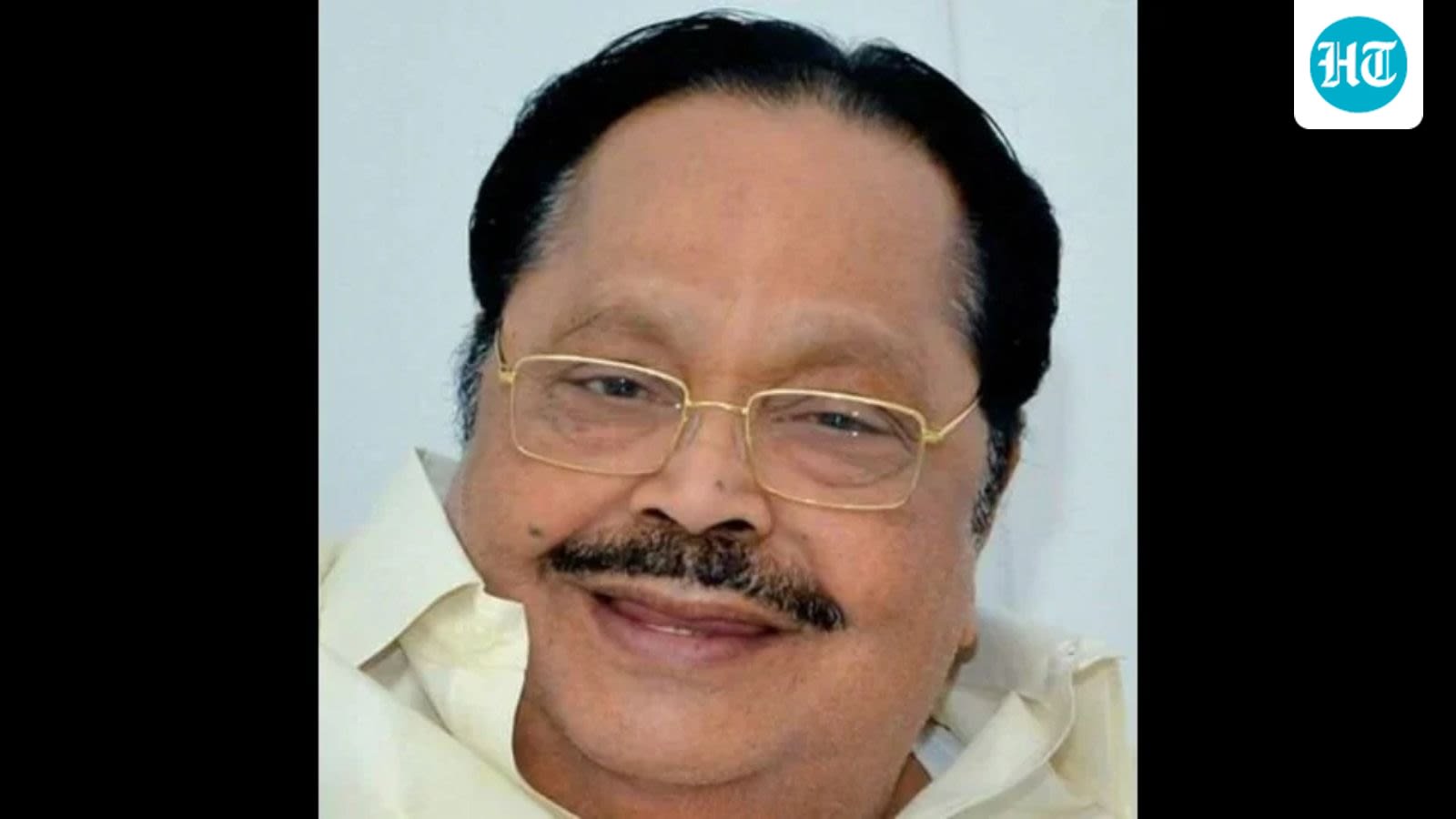
The wedding of DMK leader Duraimurugan's granddaughter has sparked controversy due to the inclusion of Vedic rituals, which contradicts the party's core ideology. While Duraimurugan cited his granddaughter's personal preference, the event drew public criticism from DK president Veeramani.
The Ideological Clash: Vedic Rituals in a Dravidian Stronghold
The recent marriage of Senthamarai, granddaughter of DMK general secretary Duraimurugan, to Deepak Ravi in Chennai has ignited a significant political discourse in Tamil Nadu. While the ceremony was attended by high-profile guests including former Chief Minister MK Stalin and prominent film stars like Dhanush and Sivakarthikeyan, the inclusion of Vedic traditions and Sanskrit chants has become the focal point of a heated debate. This incident highlights the friction between personal agency and the rigid ideological foundations of the Dravidian movement.
The Dravidian Ideology and Secularism
At the core of the controversy lies the Dravidian movement’s historical stance against Brahmanical hegemony and Vedic rituals. Organizations like the Dravidar Kazhagam (DK), founded by E.V. Ramasamy (Periyar), have long advocated for 'self-respect marriages' that eschew religious rites. When the Dravidar Kazhagam president Veeramani publicly questioned the use of such rituals at the wedding, he was not merely critiquing a private event but reinforcing the symbolic boundary of the party’s political identity, which views such practices as antithetical to its socio-political roots.
Generational Shifts and Personal Choice
Duraimurugan, a stalwart of the DMK, responded to the backlash by expressing regret, clarifying that the decision to incorporate Vedic rites was driven by his granddaughter’s personal preference. This defense underscores a broader trend of generational shifts within political families in India, where the younger demographic often prioritizes personal autonomy over the strict adherence to the ideological legacy of their predecessors. The tension here is between the traditional expectations of the party cadre and the modern, individualized choices of the younger generation.
The Political Fallout
For a party like the DMK, which relies on its ideological consistency to maintain its base, such incidents present a complex public relations challenge. The presence of top leadership, including MK Stalin, at a venue where rituals deemed 'anti-Dravidian' were performed, provides ammunition to ideological critics. The 'regret' expressed by Duraimurugan serves as a tactical move to placate the party’s base and the DK, effectively attempting to separate the private choices of a family member from the official party line.
Broader Implications and Future Trends
This controversy serves as a microcosm of the evolving landscape of Indian politics, where personal lifestyle choices and religious expressions are increasingly scrutinized for their political implications. As the influence of traditional ideologies faces pressure from a more globalized, individualistic youth culture, political veterans will find it increasingly difficult to reconcile their private family lives with the public image expected of them. Future trends suggest that while political parties will attempt to enforce strict adherence to their platforms, the blurring lines between personal faith and political identity will continue to create friction within the Dravidian political ecosystem.
Verification Required?