22 injured as magnitude 5.7 earthquake hits central Japan: What we know
Source Entity
The Indian Express
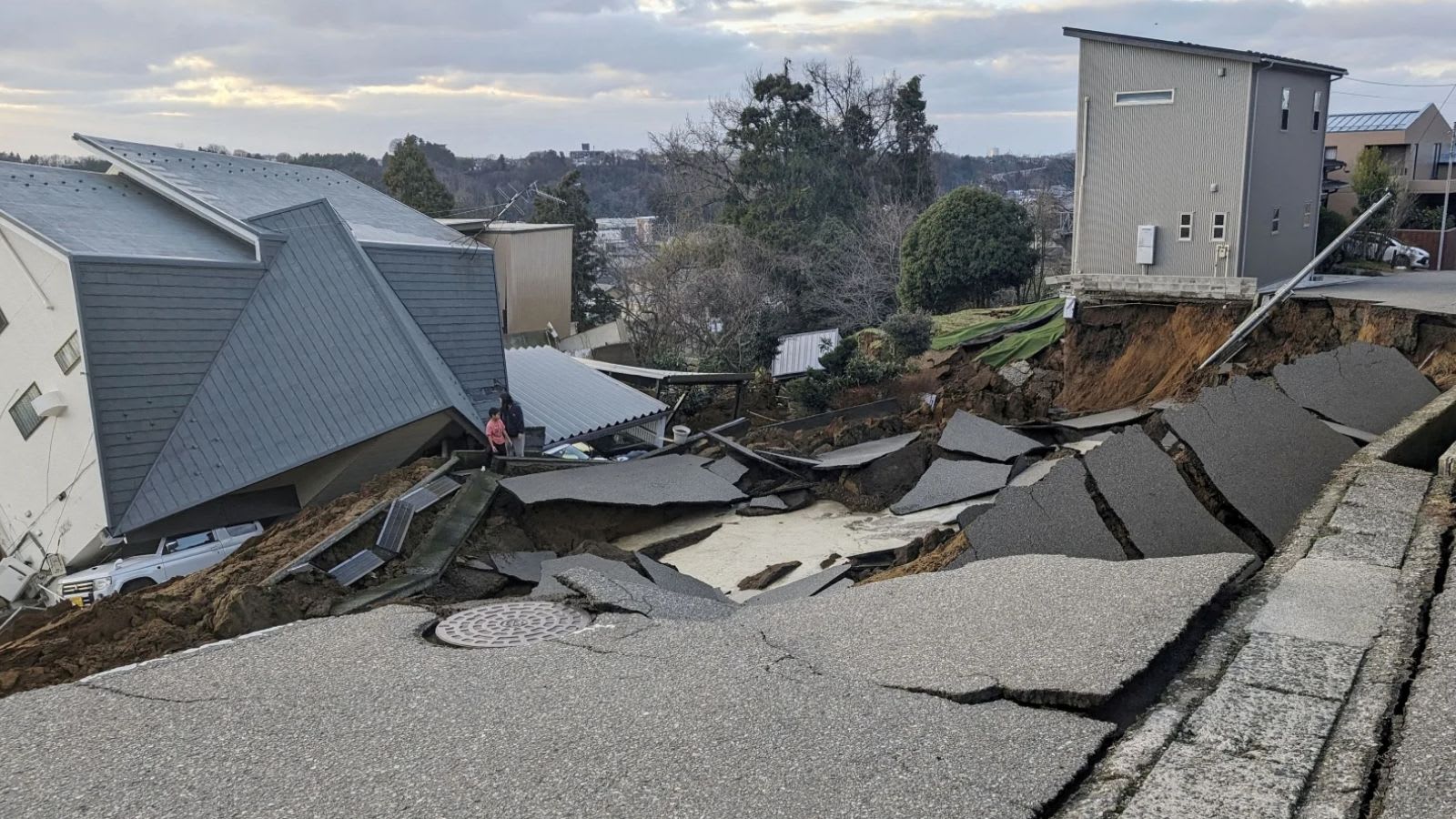
A 5.7-magnitude earthquake struck central Japan early Sunday, causing widespread disruption and injuring at least 22 people. Authorities have warned residents to remain vigilant for potential aftershocks over the coming week.
Seismic Activity Strikes Central Japan
A significant seismic event occurred in the early hours of Sunday, as a magnitude 5.7 earthquake rattled central Japan. The tremor, which struck at 1:04 a.m. local time, caused immediate panic and physical damage across a wide geographic footprint. According to local media reports and data from the Japan Meteorological Agency, the earthquake resulted in at least 22 injuries, with scenes of destruction captured in areas like Toyohashi, where shop windows at an imported car dealership were shattered.
Geographic Reach and Impact
The impact of the earthquake was felt across a significant portion of the country. The shaking extended from the primary epicenter near Aichi Prefecture to the cities of Hamamatsu, the historic cultural hubs of Kyoto and Nara, and the neighboring prefectures of Gifu and Yamanashi. The latter is home to Mount Fuji, underscoring the broad reach of the seismic waves. Local imagery highlighted the intensity of the event, showing bookstores with shelves overturned and streets littered with glass shards from broken storefronts.
Scientific Assessment and Discrepancies
While the Japan Meteorological Agency officially categorized the quake at a magnitude of 5.7, the United States Geological Survey (USGS) recorded it slightly lower at 5.5. Such discrepancies are common in seismic reporting due to differences in sensor calibration and measurement methodologies. Regardless of the slight variance in magnitude, the official seismic assessments confirmed that Aichi Prefecture bore the brunt of the event, necessitating emergency responses to address the injuries and property damage reported in the immediate aftermath.
Ongoing Risks and Aftershocks
Following the initial tremor, smaller aftershocks were recorded, prompting the Japan Meteorological Agency to issue a heightened alert. Authorities have explicitly instructed residents in the affected regions to remain prepared for additional strong earthquakes, with a specific focus on the next two to three days. This warning period extends for the coming week, as geological stress often leads to secondary tremors that can further compromise damaged structures.
Broader Implications for Disaster Preparedness
Japan remains one of the most seismically active nations in the world, and this event serves as a stark reminder of the constant necessity for robust infrastructure and public vigilance. The scattering of books and the shattering of windows, while physically damaging, illustrate the localized force of a mid-range earthquake. As the nation pivots toward recovery and structural assessment, the focus remains on ensuring the safety of those injured and preparing the populace for potential subsequent seismic activity in the days ahead.
Multiple Citing Sources