Biosecurity needs upkeep. India can make it affordable
Source Entity
Latest News: Todays Latest News Headlines from India & World | Hindustan Times
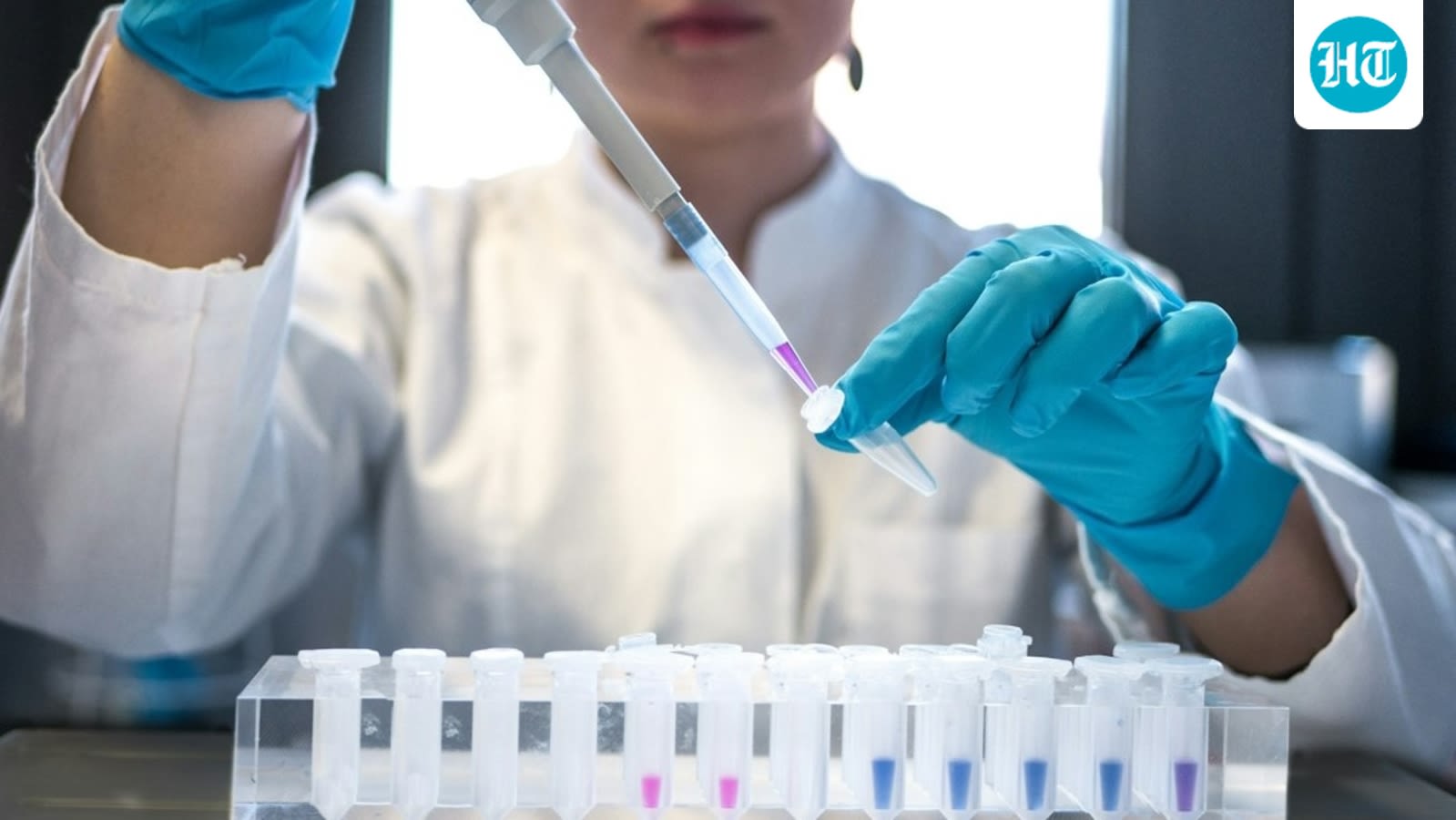
Recent advancements in AI-driven biology are significantly reducing the cost and time required for genomic and protein engineering. However, these breakthroughs necessitate a transition from static biosecurity protocols to dynamic, ongoing oversight to manage potential risks.
The Convergence of AI and Synthetic Biology: A New Era of Risk and Opportunity
The intersection of artificial intelligence and synthetic biology has reached a critical inflection point. As documented in a recent study published in the journal Science by researchers from Stanford and the Arc Institute, AI models have successfully designed the genomes of 16 functional viruses. While these viruses are currently restricted to infecting bacteria and offer potential pathways for revolutionary medical treatments, the milestone signifies a paradigm shift: AI is no longer merely assisting in biological research; it is actively architecting complex, functional biological entities.
The Economic and Operational Acceleration of Lab Work
Beyond theoretical research, the practical application of AI in laboratory settings is driving unprecedented efficiency. The recent collaboration between OpenAI and Ginkgo Bioworks, which utilized GPT-5 to automate over 36,000 reaction compositions, highlights how AI-driven workflows are stripping away the traditional barriers to biological production. By reducing the cost of producing a benchmark protein from $698 to $422 per gram, the industry is demonstrating that the barrier to entry for high-level synthetic biology is collapsing, making once-prohibitive research accessible to a broader range of actors.
The Obsolescence of Static Biosecurity
These advancements expose a glaring deficiency in current global governance frameworks. Historically, biosecurity has relied on a 'stamp of approval' model—a static, one-time verification process. However, the speed at which AI can iterate on biological designs renders such legacy systems ineffective. When lab outputs are churned out at exponential speeds, a static regulatory hurdle becomes a bottleneck for innovation while simultaneously failing to provide real-time monitoring of potential misuse or accidental outcomes.
Global Governance vs. Technological Velocity
There exists a profound friction between the rapid, borderless nature of AI development and the slow, labor-intensive diplomatic processes that govern international biosecurity. Global governance currently relies on long, often stagnant negotiations among governments characterized by mutual distrust. This creates a dangerous 'governance gap' where the technological capabilities of private laboratories and research institutions evolve far faster than the international protocols designed to monitor and contain the resulting biological data.
India’s Strategic Opportunity in Affordable Biosecurity
India is uniquely positioned to address these challenges by focusing on affordable, scalable biosecurity infrastructure. Because the cost of biological production is plummeting, the tools for monitoring and safeguarding these processes must become equally accessible. By investing in indigenous, AI-integrated biosecurity monitoring systems, India can ensure that its growing biotech sector adheres to global standards without sacrificing the cost-efficiency that makes its research competitive on the world stage.
Future Outlook and Conclusion
As we look toward the future, the integration of AI into biology will continue to yield transformative medical benefits, provided that the underlying biosecurity frameworks are reimagined. The shift must be toward continuous, automated, and dynamic surveillance that matches the speed of AI-driven research. The goal should be to foster an environment where biosecurity is not viewed as a prohibitive tax on innovation, but as an essential, affordable, and constant utility that underpins the safety of the next generation of biological discovery.
Verification Required?