Fake Rs 8,000 PM Modi Diwali gift scam: Cyber police warn against malicious links
Source Entity
Manoj Dattatrye More
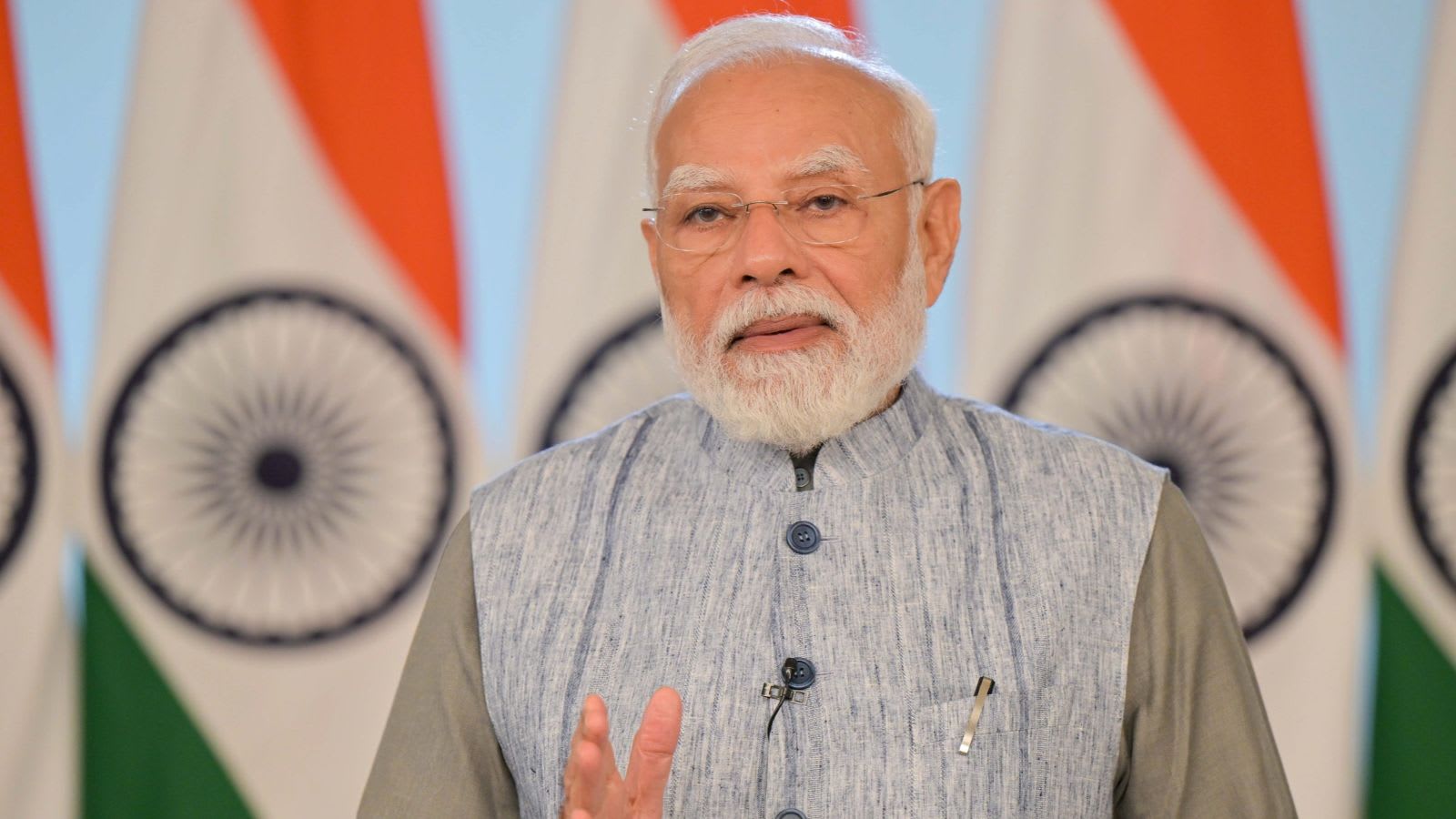
Authorities are warning citizens against festive season scams, including fake Diwali discount phishing and fraudulent messages promising government cash gifts. Users are urged to avoid clicking suspicious links to prevent financial and data theft.
The Festive Season Cyber Threat: A Warning Against Digital Fraud
As Diwali celebrations approach, the digital landscape is witnessing a surge in sophisticated cyber threats designed to exploit the festive spirit. The Press Information Bureau (PIB) has launched a critical awareness campaign titled 'Phuljhari of Phishing,' warning online shoppers about the dangers of clicking on suspicious links promising exclusive discounts. These scams often mimic legitimate e-commerce platforms, using high-pressure tactics and 'too-good-to-be-true' offers to lure unsuspecting users into surrendering sensitive personal and banking information.
The Anatomy of Festive Phishing
Phishing remains one of the most pervasive threats in the digital age, particularly during high-traffic shopping periods. By masquerading as reputable brands, attackers create a facade of legitimacy that bypasses the natural skepticism of consumers. The 'Phuljhari of Phishing' campaign highlights the necessity for heightened vigilance, as cybercriminals utilize these festive windows to maximize their reach, banking on the fact that shoppers are often distracted by the excitement of holiday sales and limited-time deals.
Government Impersonation and Social Engineering
Beyond retail scams, cybercriminals are increasingly leveraging social engineering to commit fraud. The Pimpri-Chinchwad cyber police have specifically identified a malicious campaign circulating on WhatsApp and other platforms that falsely claims Prime Minister Narendra Modi is offering an Rs 8,000 Diwali cash gift to all citizens. This tactic uses the authority of high-level government offices to build instant trust, tricking users into clicking links that ostensibly provide access to these non-existent government grants.
The Mechanics of Data Theft
When a user clicks on these fraudulent links, they are often directed to malicious websites designed to harvest credentials. Once a victim enters their personal or financial data, the information is instantly compromised. Deputy Commissioner of Police Rohidas Pawar has emphasized that these messages are purely luring mechanisms, with the end goal being the unauthorized access to victims' banking accounts and the subsequent theft of funds.
Protecting Your Digital Footprint
To mitigate these risks, authorities advise citizens to exercise extreme caution when receiving unsolicited messages. Verification is the primary defense; users should never trust links shared via instant messaging apps that promise financial windfalls or suspiciously massive discounts. Instead, consumers should rely on official e-commerce apps and verified government portals for any shopping or benefit-related inquiries.
Future Trends in Cyber Awareness
As we move forward, the intersection of AI-generated content and social engineering is likely to make these scams even more convincing. The use of AI to generate realistic-looking advertisements and messages makes it imperative for the public to adopt a 'zero-trust' approach toward unsolicited digital communication. Continuous awareness drives by agencies like the PIB and local law enforcement are essential to building a resilient digital society capable of thwarting these evolving threats during sensitive festive periods.