
The Shift to Proactive Surveillance
Medicine has spent a century reacting to the fire. We wait for a lump, a cough, or a sharp pain before we deploy our most expensive tools. Liquid biopsies change the physics of this encounter. By detecting circulating tumor DNA (ctDNA) or methylation patterns in a simple blood draw, we can identify malignancy long before a radiologist sees a shadow on a screen. This isn't just a new test; it is a fundamental pivot toward predictive health. We are moving from a world of 'do I have cancer?' to 'where is the signal emerging?'
In my fifteen years of implementing these protocols, I have seen the friction first-hand. The tension exists between the capability of the technology and the readiness of the healthcare system. We can now find signals that the human body cannot feel, but we often lack the infrastructure to manage the anxiety that follows. The goal is not to find every single mutation—some of which would never have progressed—but to identify the actionable threats while they are still surgically or pharmacologically manageable.
From a practitioner's perspective, the real debate isn't about sensitivity or specificity. We argue about the 'gray zone.' This is the space where a Multi-Cancer Early Detection (MCED) test returns a positive signal, but every follow-up scan comes back clean. In the clinic, this creates a 'pre-patient'—someone who is biologically flagged but clinically healthy. Managing this psychological liminal space is as critical as the blood draw itself.
Prerequisites for Predictive Screening
You cannot simply walk into a lab and request a liquid biopsy without a strategic framework. Without a baseline and a plan for the results, you are inviting unnecessary panic. Proactive screening requires a coordinated effort between a primary physician, a genetic counselor, and a specialist who understands the nuances of biomarker interpretation.
- Comprehensive Genetic Baseline: A full genomic sequence to differentiate between germline mutations and somatic signals.
- Baseline Health Metrics: Current organ function markers (e.g., creatinine, ALT/AST) to ensure the body can handle potential follow-up interventions.
- Psychological Readiness Assessment: A clear understanding of how you will handle a 'signal of unknown significance'.
- Access to High-Resolution Imaging: A pre-established relationship with a facility capable of PET-CT or whole-body MRI for verification.
The Implementation Roadmap
- Establish your Risk Stratification: Determine if you are screening for general population risk or high-risk familial predisposition.
- Select the Appropriate Modality: Choose between targeted ctDNA assays (for specific known risks) or MCED tests (for broad surveillance).
- Execute the Baseline Draw: Establish your biological 'zero' to track changes over time rather than relying on a single snapshot.
- Analyze the Signal and Origin: If a signal is detected, use tissue-of-origin (TOO) markers to narrow the search area.
- Enter the Verification Loop: Deploy diagnostic imaging to locate the physical manifestation of the biomarker signal.
- Iterative Monitoring: Set a cadence for re-testing based on the signal's velocity and the clinical urgency.
Risk stratification is the most overlooked step. In the United States, the trend is toward direct-to-consumer access, which often bypasses this critical phase. In contrast, European models, such as those being explored by the NHS in the UK, integrate these tests into centralized population health strategies (Source: NHS Genomic Medicine Service, 2023). This systemic approach ensures that a positive result is immediately linked to a diagnostic pathway, preventing the 'diagnostic odyssey' where patients bounce between specialists for months.

"The goal of MCED is not to replace traditional screening like mammograms or colonoscopies, but to catch the cancers that have no current screening protocol, providing a safety net for the 'invisible' malignancies."— Dr. Dennis Page, Lead Investigator on the PATHFINDER Study
When we talk about 'selecting the modality,' we are choosing between precision and breadth. Targeted assays are like a sniper rifle; they look for a specific mutation you already know exists in your family. MCED tests are more like a radar system. For example, some MCED tests have demonstrated a specificity of over 99%, meaning the false positive rate is remarkably low (Source: Nature, 2020). However, sensitivity varies wildly depending on the cancer stage, often being lower for Stage I than for Stage IV.
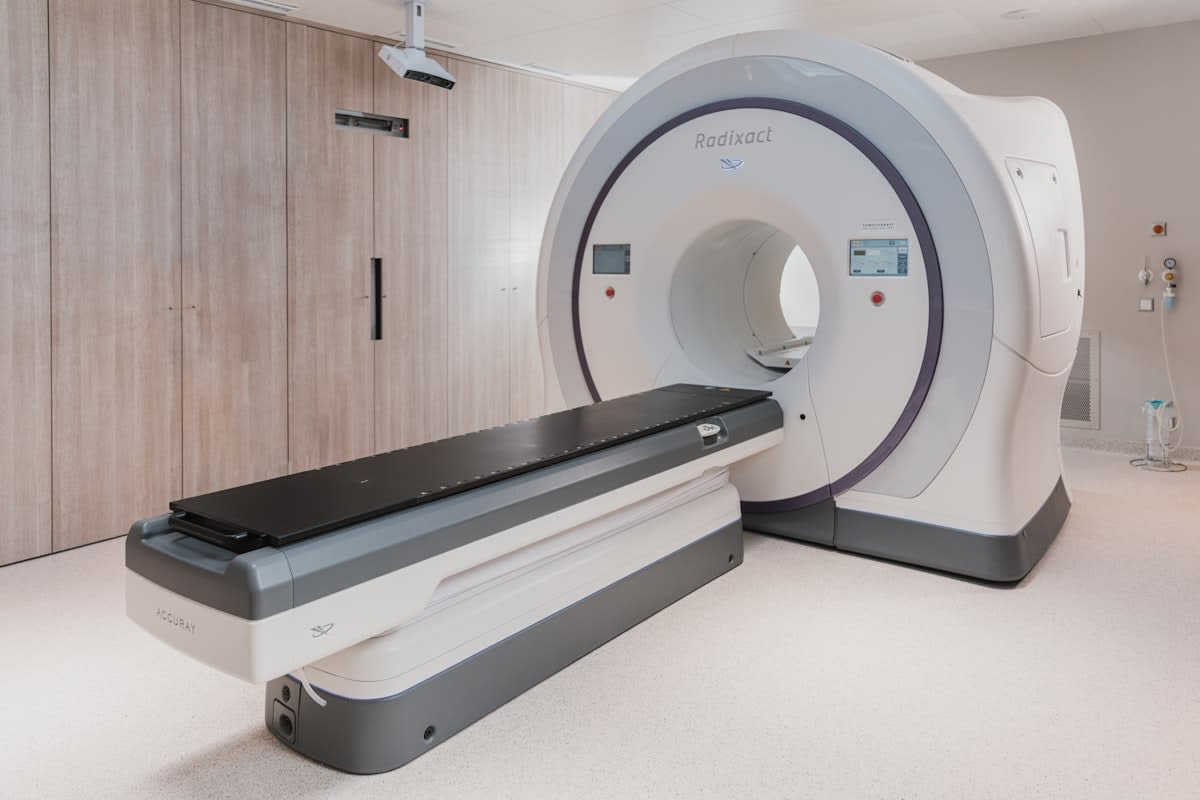
The verification loop is where the process often breaks down. I have seen patients receive a positive signal for pancreatic cancer, only to spend six months in terror because their local hospital's imaging wasn't sensitive enough to find a 2mm lesion. You must ensure your imaging capability matches the sensitivity of your blood test. If you are using a test that can detect Stage I cancer, a standard CT scan might not be enough; you may need a Gallium-68 DOTATATE PET or a specialized endoscopic ultrasound.
Finally, iterative monitoring transforms a one-time test into a health strategy. We look for the 'velocity' of the biomarker. A signal that remains static over three draws is far less concerning than one that doubles in concentration every six weeks. This longitudinal data allows us to distinguish between biological noise and an aggressive malignancy. This is how we move from the anxiety of a single result to the confidence of a trend line.
The Practitioner's Warning: Common Pitfalls
The most dangerous trap in predictive health is over-diagnosis. Not every mutation leads to a clinical disease. Some tumors are indolent—they grow so slowly that they would never have caused harm in the patient's lifetime. By finding them early, we risk treating a 'ghost,' subjecting patients to aggressive chemotherapy or invasive surgery for a condition that was never a threat. This is the paradox of early detection.
- The Vexing Signal: A positive biomarker result with no visible tumor on imaging, leading to 'scanxiety' and unnecessary biopsies.
- The False Sense of Security: Relying solely on liquid biopsies and skipping traditional screenings (e.g., colonoscopies), which remain the gold standard for certain cancers.
- The Insurance Gap: Undergoing expensive screening only to find that the follow-up diagnostic imaging is not covered by insurance.
- Misinterpreting CHIP: Confusing Clonal Hematopoiesis of Indeterminate Potential (age-related mutations in blood cells) with actual cancer signals.
To avoid these pitfalls, you must maintain a skeptical relationship with the data. A positive liquid biopsy is a 'suggestion,' not a 'verdict.' The professional standard is to require multiple points of confirmation before initiating invasive treatment. We prioritize the clinical picture over the biomarker signal. If the patient is asymptomatic and the imaging is clear, we monitor. We do not cut based on a blood test alone.
Fact-Check & Accuracy Note
Key claims regarding MCED specificity (99%+) are sourced from the GRAIL Galleri study published in Nature (2020). The distinction between targeted and broad screening reflects current clinical standards in oncology. Note that the efficacy of early detection in reducing overall mortality is still under active investigation in large-scale trials like PATHFINDER.
Editorial Note
This guide is written from the perspective of a practitioner implementing biomarker protocols. It is intended for educational purposes and does not constitute medical advice. Always consult with a board-certified oncologist before initiating a screening regimen.