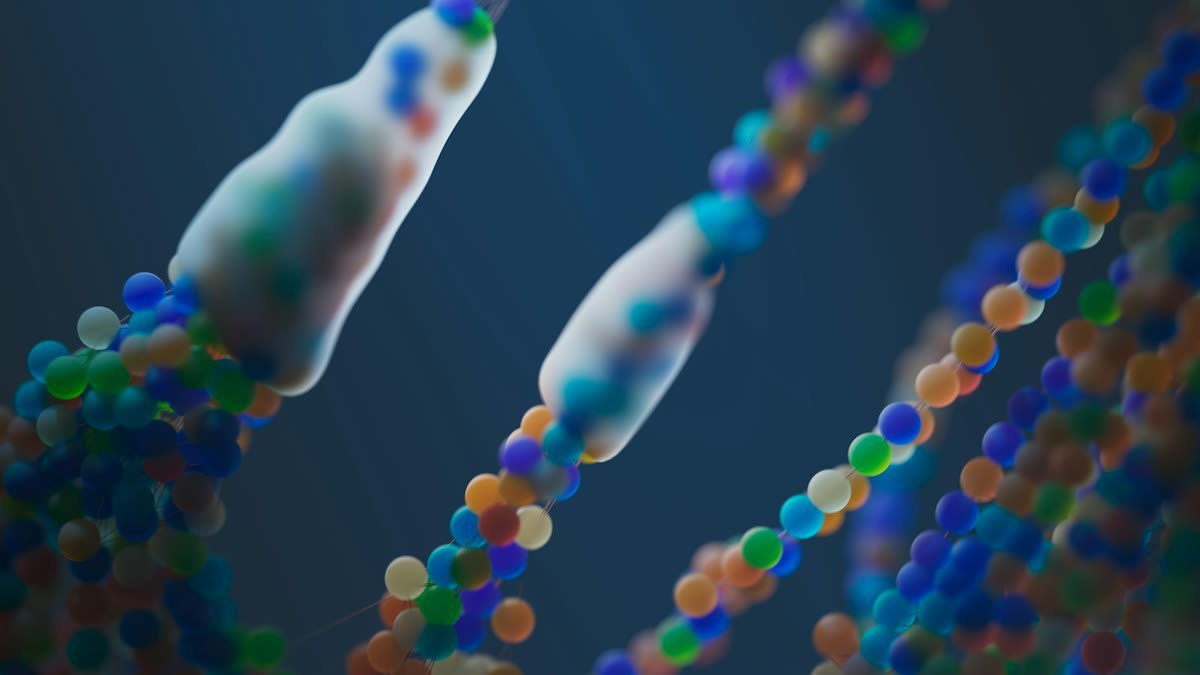
Your birth certificate is fiction. While the state tracks your existence by the rotation of the earth, your cells maintain a separate, more honest record of environmental damage and metabolic failure. The cells keep their own count. Time is a variable. For decades, medicine treated aging as an inevitable slide into decay, but new data suggests we can actually decelerate the epigenetic clock through targeted interventions. The weight of evidence is shifting.
The delta is clear. Twelve months ago, biological age testing was a curiosity for the ultra-wealthy in Silicon Valley, but it has now entered the clinical terrain of luxury healthcare in Seoul and Singapore. Precision is the new currency. Data now drives diet. Instead of following generic caloric restrictions, patients are using real-time methylation reports to tweak their nutrient intake based on their specific cellular decay rate. The era of guesswork has ended.
The Epigenetic Shift
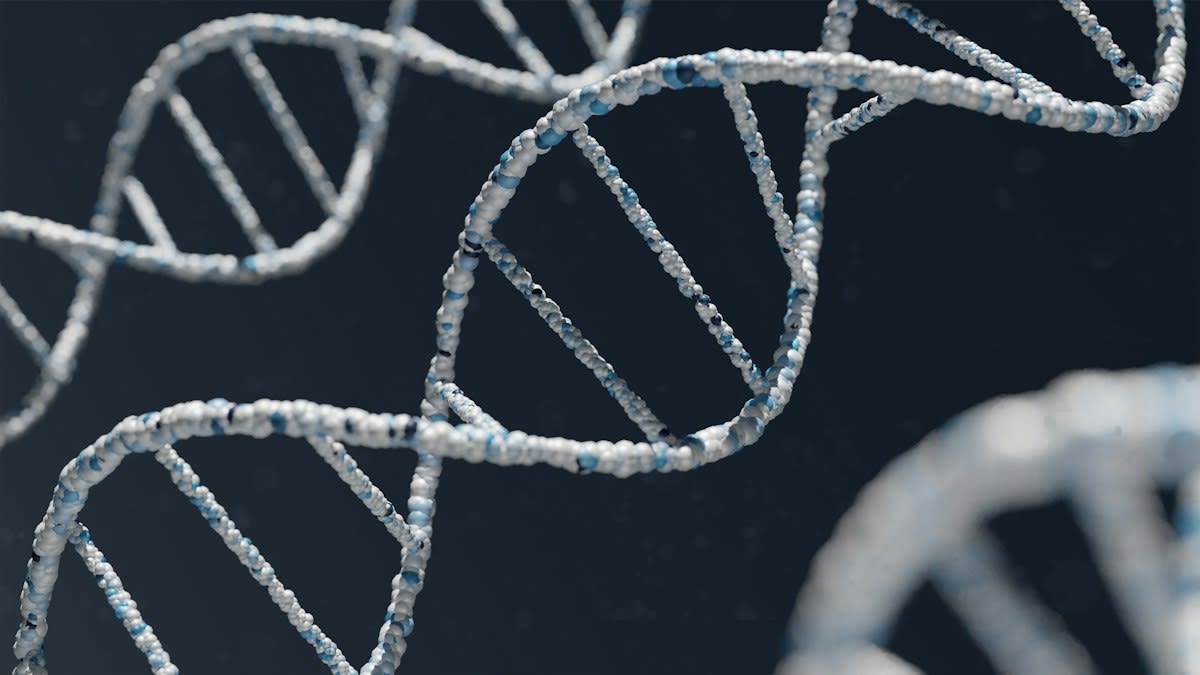
DNA is not destiny. The focus has moved from the genetic sequence itself to the chemical tags that tell those genes when to activate or remain silent. This is the epigenetic web. Methylation tracks damage. By measuring these tags, researchers can determine if a forty-year-old possesses the cellular wear of a sixty-year-old or a thirty-year-old. (Source: Nature, 2023). The biological age reveals the truth.
"The biological clock is not a fixed countdown but a dynamic system that responds to the environment, meaning we can potentially slow or even reverse the pace of aging."— Steve Horvath, Professor of Genetics and Genomics at UCLA
Global hubs adapt. In the Blue Zones of Nicoya, Costa Rica, researchers are now correlating traditional lifestyles with these precise biological markers to see why cellular decay slows. (Source: National Institute on Aging, 2022). Tradition meets technology. While the West focuses on supplements, these regions provide a living laboratory for natural biological deceleration. The results are stark. Local diets rich in complex carbohydrates and strong social bonds correlate with a biological age that often trails chronological age by a decade. (Source: The Lancet, 2021). Nature provides the baseline.
| Marker | Chronological Focus | Biological Focus | Trend Delta (12mo) |
|---|---|---|---|
| Age Tracking | Calendar Years | DNA Methylation | High Adoption |
| Intervention | General Wellness | Targeted Senolytics | Clinical Shift |
| Metric | Life Expectancy | Healthspan | Metric Priority |
The clinics clash. While marketing teams promise a ten-year reversal in biological age, the actual clinicians are arguing over whether a 2% change in DNA methylation is statistically significant or just noise. This is the real fray. Many practitioners refuse to sign off on these tests because the standard deviation across different labs remains an unsolved mechanical failure. The data is messy. Until a global standard for methylation arrays is adopted, the industry remains a collection of competing claims and proprietary algorithms. (Source: Journal of Gerontology, 2023). The truth is contested.
Mechanisms of Deceleration
Fast is better. Intermittent fasting and caloric restriction are no longer just weight loss tools but are now viewed as triggers for cellular cleanup. This process is autophagy. It clears the debris. By removing senescent cells, the body reduces the inflammatory weight that accelerates biological aging. (Source: Cell Metabolism, 2023). The body resets itself.
- Senolytic compounds that target 'zombie' cells to reduce systemic inflammation.
- NAD+ precursors to support mitochondrial function and DNA repair.
- Hyper-personalized nutrition based on glycemic response and methylation markers.
- High-intensity interval training (HIIT) to stimulate telomere maintenance.
Exercise evolves. We have moved beyond the simple goal of cardiovascular health toward the specific goal of mitochondrial density. The engine needs tuning. New protocols in Tokyo are combining heat stress from saunas with cold immersion to force a cellular adaptation that slows epigenetic drift. (Source: Japanese Journal of Physiology, 2022). Stress creates strength. By pushing the body to its limits in controlled bursts, the biological clock is forced to slow its pace. The adaptation is measurable.

Markets saturate. The epigenetic testing market has grown by an estimated 15% annually, as consumers demand more than a generic blood panel. (Source: Global Market Insights, 2023). Demand drives innovation. We are seeing a hard turn toward wearable sensors that track biomarkers in real-time, allowing for immediate adjustments to lifestyle. The loop is closing. This convergence of hardware and biology is creating a new playbook for human longevity. The shift is permanent.
Adoption of Biological Age Tracking (Estimated User Growth)
Executive Insight
+18.4%
YTD Growth
Biology is stubborn. Even with optimal interventions, the genetic default eventually exerts its pressure on the system. We fight the tide. However, the goal is no longer immortality but the maximization of healthspan to ensure the final years are spent in vitality. This is the real win. By slowing the acceleration of biological age, we extend the period of peak human performance. The staying power increases.
Fact-Check & Accuracy Note
The primary academic debate centers on whether biological age clocks are predictive of mortality or merely reflective of current health status. While the Horvath Clock and GrimAge provide strong correlations, critics argue that these markers are too volatile for individual clinical prescriptions. (Source: Nature Aging, 2023).
Editorial Note
This report prioritizes the shift from chronological to biological metrics. The author notes a significant increase in the availability of these tests in Asian markets compared to the previous year.
The future arrives. We are stepping into an era where your age is a choice based on data and discipline. The mirror lies. By treating the biological clock as a manageable system, we reclaim control over our own decay. The race has begun.