
The Biological Fog: Why Your System is Overheating
Systemic inflammation is often invisible until it manifests as a pervasive cognitive haze, joint stiffness, or an inexplicable lack of drive. Unlike acute inflammation—the necessary redness and swelling that follows a sprained ankle—chronic systemic inflammation is a low-grade fire that never goes out. It alters the permeability of the blood-brain barrier, allowing pro-inflammatory cytokines to infiltrate the central nervous system and disrupt neurotransmitter function. When your body stays in a state of high alert, your brain pays the price in the form of slower processing speeds and diminished executive function. This is not a psychological failing; it is a biological reality (Source: Harvard Health Publishing, 2022).
Most people attempt to fix this with a single 'superfood' or a trendy supplement, but that is like trying to put out a forest fire with a water pistol. True resolution requires a systemic protocol that addresses the three primary drivers: metabolic dysfunction, gut permeability, and circadian misalignment. If you ignore one, the others will eventually pull you back into the fog. We are looking for resolution, not just suppression. The goal is to transition the body from a pro-inflammatory state to a pro-resolving state, where the immune system knows how to turn itself off once the threat is gone.
Prerequisites: The Toolkit for Recovery
You cannot manage what you do not measure. Before starting the protocol, you need a baseline to determine if you are dealing with a mild imbalance or a severe systemic overload. Guessing is for amateurs; precision is for practitioners. I recommend gathering the following data points to avoid the common mistake of applying a generic solution to a specific biological problem.
- Blood Panel: Specifically high-sensitivity C-Reactive Protein (hs-CRP) and Fasting Insulin.
- Dietary Log: A 7-day honest record of every ingredient consumed, including seed oils and artificial sweeteners.
- Sleep Tracker: Data on deep sleep and REM cycles over a 14-day period.
- Symptom Map: A daily ranking of brain fog, joint pain, and energy crashes on a scale of 1-10.
Once these tools are in place, the protocol moves from observation to intervention. The order of operations matters. You cannot fix your gut if your blood sugar is spiking every two hours, and you cannot fix your blood sugar if you are sleeping four hours a night. We follow a hierarchy of biological needs to ensure each layer of the protocol supports the next.
Step 1: Quantifying the Fire
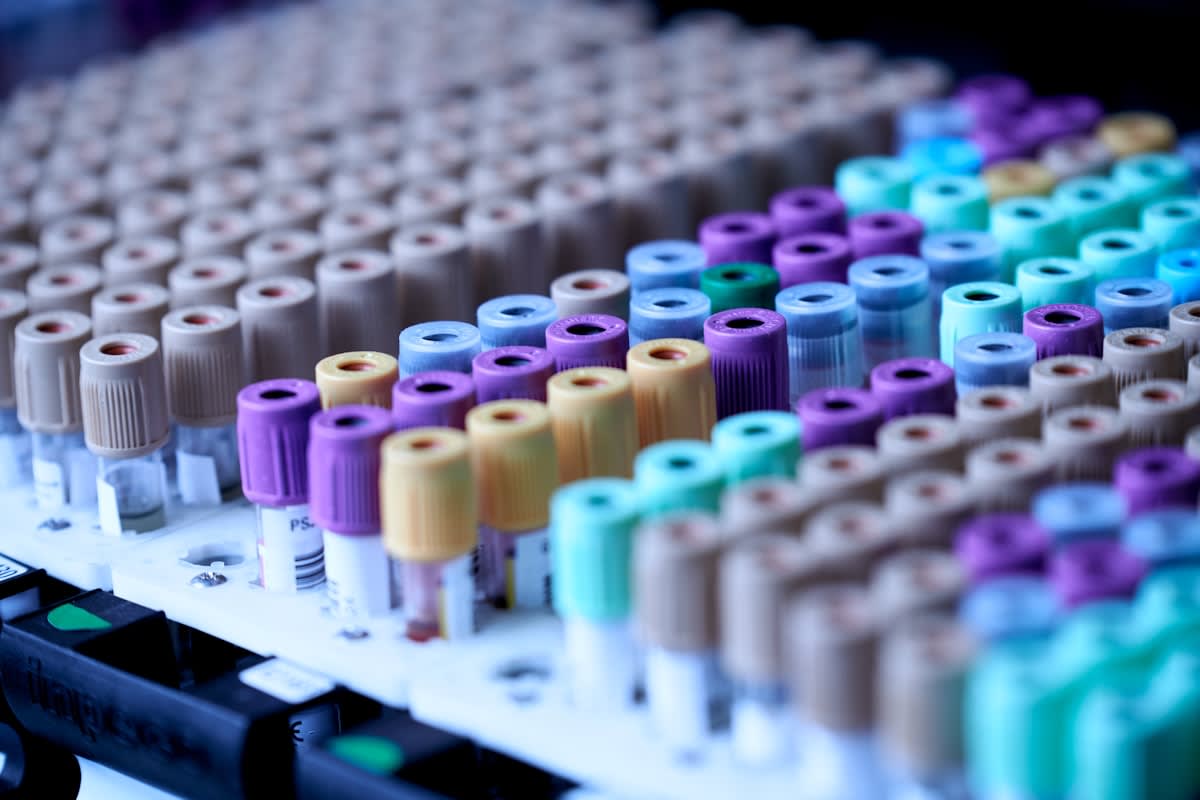
Start with the hs-CRP test. This is the gold standard for detecting systemic inflammation. A level below 1.0 mg/L is generally considered low risk, while levels above 3.0 mg/L indicate high systemic inflammation (Source: Mayo Clinic, 2023). If your numbers are high, your body is signaling that something—be it a hidden infection, chronic stress, or metabolic dysfunction—is triggering a constant immune response. Do not ignore the fasting insulin number; hyperinsulinemia is a potent driver of inflammation that often precedes a diabetes diagnosis by years.
Step 2: Stabilizing the Glucose Rollercoaster
Glucose spikes are not just a concern for diabetics; they are inflammatory events. Every time your blood sugar peaks and crashes, you trigger the production of reactive oxygen species (ROS) and pro-inflammatory cytokines. This metabolic volatility creates the 'afternoon slump' and contributes to the long-term degradation of the blood-brain barrier. To clear the fog, you must flatten the curve of your glycemic response through strategic nutrient sequencing.
- Fiber First: Always consume non-starchy vegetables before carbohydrates to slow glucose absorption.
- Eliminate Liquid Sugars: Remove sodas and fruit juices which hit the bloodstream with zero buffering.
- Vinegar Hack: A tablespoon of apple cider vinegar in water before a high-carb meal can reduce the glucose spike by up to 30%.
- Post-Prandial Movement: A 10-minute walk after eating utilizes glucose in the muscles, bypassing the need for massive insulin spikes.
When you stabilize your blood sugar, you stop the constant cycle of inflammation and insulin resistance. This creates the metabolic headspace required for the next, more complex phase of the protocol: repairing the gut barrier.
Step 3: Sealing the Gut Barrier
The gut is the primary interface between the external world and your immune system. When the tight junctions of the intestinal lining loosen—a condition often termed 'leaky gut'—undigested food particles and lipopolysaccharides (LPS) leak into the bloodstream. This triggers a systemic immune response that manifests as brain fog and fatigue. In my experience, this is where most people fail because they try to add probiotics before removing the irritants. You cannot seed a garden while the soil is still toxic.
"Chronic inflammation is often the result of a breakdown in the intestinal barrier, allowing bacterial endotoxins to enter the systemic circulation and trigger a cascade of pro-inflammatory cytokines."— World Health Organization, Technical Report on Non-Communicable Diseases, 2021
To resolve this, focus on L-glutamine and collagen-rich foods which provide the raw materials for epithelial repair. Simultaneously, remove common triggers like industrial seed oils (soybean, corn, canola) which are high in omega-6 fatty acids and can disrupt the mucosal lining. Transitioning to a diet rich in fermented foods from diverse regions—such as Korean kimchi or Japanese miso—helps diversify the microbiome, which in turn regulates the immune system's inflammatory threshold.
Step 4: Optimizing the Fatty Acid Ratio
The modern diet is heavily skewed toward Omega-6 fatty acids, which are precursors to pro-inflammatory eicosanoids. While we need some Omega-6, the current ratio in urban environments—from New York to Tokyo—is often 20:1 or higher. The goal is to bring this closer to 4:1 or 2:1 by aggressively increasing Omega-3 intake through EPA and DHA. These essential fats are not just 'healthy'; they are the precursors to resolvins and protectins, the molecules that actively shut down the inflammatory response.
| Fatty Acid | Primary Source | Inflammatory Role | Target Action |
|---|---|---|---|
| Omega-6 | Seed Oils/Processed Foods | Pro-inflammatory (precursors) | Restrict to < 5% of calories |
| Omega-3 (EPA/DHA) | Fatty Fish/Algae | Pro-resolving (resolvins) | Increase via wild salmon/cod liver oil |
| Saturated Fats | Coconut/Butter/Tallow | Neutral/Context-dependent | Use as primary cooking fat |
Integrating high-dose Omega-3s is a game-changer for cognitive clarity. By shifting the lipid profile of your cell membranes, you improve the fluidity of neurons and reduce the activation of the NLRP3 inflammasome, a protein complex that triggers the release of inflammatory cytokines in the brain.
Step 5: The Circadian Reset
Sleep is the only time the brain's glymphatic system—its waste clearance mechanism—becomes fully active. When you are sleep-deprived, metabolic waste and pro-inflammatory markers accumulate in the interstitial space of the brain. This is the literal definition of 'biological fog.' No amount of supplementation can override the inflammatory damage caused by chronic sleep fragmentation. If you are sleeping six hours or less, your hs-CRP will almost certainly remain elevated regardless of your diet.

To fix this, implement a strict circadian anchor: view sunlight within 30 minutes of waking to set your cortisol rhythm and eliminate blue light two hours before bed. This lowers nighttime cortisol, which otherwise keeps the body in a state of systemic stress and inflammation. The synergy between deep sleep and a low-inflammation diet creates a feedback loop that accelerates the clearing of the biological fog.
The Practitioner's Perspective: Where the Theory Fails
In the clinic, the debate isn't about whether these steps work—it's about how to implement them without triggering a stress response. I often see 'perfectionist' patients who become so obsessed with removing every single seed oil or tracking every gram of glucose that the resulting cortisol spike cancels out the anti-inflammatory benefits of their diet. This is the 'orthorexia trap.' The biological reality is that stress is itself a pro-inflammatory agent. If your protocol makes you miserable, you are simply trading one type of inflammation for another.
We also struggle with the 'supplemental crutch.' Patients often want a pill to replace a lifestyle. They will take 4 grams of Omega-3s but continue to sleep four hours a night and eat processed sugars. In my practice, I insist on the hierarchy: Sleep first, Glucose second, Gut third, Supplements last. When you reverse this order, you are merely masking symptoms while the underlying systemic fire continues to burn.
Common Pitfalls to Avoid
- The Probiotic Rush: Taking high-dose probiotics before removing gut irritants, which can lead to SIBO or increased bloating.
- Over-reliance on Fasting: Using extreme fasting to lower inflammation while ignoring nutrient density, leading to muscle loss and hormonal crashes.
- Ignoring the Mental Load: Treating inflammation as purely chemical and ignoring the role of chronic psychological stress in triggering cytokine release.
- The 'Clean' Cheat Meal: Consuming highly inflammatory seed oils under the guise of 'healthy' vegan or gluten-free processed foods.
Fact-Check & Accuracy Note
The claims regarding hs-CRP thresholds and the role of Omega-3s in resolving inflammation are sourced from established guidelines by the Mayo Clinic and Harvard Health Publishing. The connection between the glymphatic system and sleep is based on current neurological consensus. Note that 'leaky gut' (intestinal permeability) remains a subject of ongoing debate in some traditional medical circles, though it is widely recognized in functional and integrative medicine.
Editorial Note
This guide is intended for educational purposes and represents a practitioner's framework. It is not a substitute for professional medical advice. Always consult with a healthcare provider before starting new supplements or making drastic dietary changes, especially if you are on medication for blood pressure or blood thinning.