
Connectivity was the goal. For two decades, the world raced toward a state of total accessibility, equating the smartphone with empowerment and the 'always-on' mentality with ambition. We built a global infrastructure designed to ensure that no one is ever truly alone or out of reach. But the pendulum has swung. In 2024, the most potent signal of power is no longer how quickly you respond to a message, but how long you can afford to remain silent. We are witnessing the birth of the Luxury of Absence.
The Great Inversion of Availability
Historically, status was signaled through conspicuous consumption—the ownership of rare objects. Then, it shifted to conspicuous productivity, where the 'hustle' and the packed calendar were badges of honor. Now, we are entering the era of conspicuous unavailability. When everyone is reachable via Slack, WhatsApp, or LinkedIn, accessibility becomes a commodity. If you answer an email within three minutes, you aren't seen as efficient; you are seen as available. In the new social hierarchy, availability is a sign of low leverage. The person who can disappear for a week without their world collapsing is the one who truly holds the cards.
This shift is not merely a psychological preference but a systemic reaction to the attention economy. As algorithms fight for every second of our cognitive bandwidth, the ability to opt out becomes the ultimate luxury. It is the difference between being a participant in the digital noise and being the curator of your own time. This 'unreachability' is not about a lack of technology, but the disciplined mastery over it. It is a strategic withdrawal that forces others to wait, thereby increasing the perceived value of the individual's time and attention.
"The shift toward 'disconnection' as a status symbol reflects a deeper sociological move from material wealth to temporal wealth. In a world of infinite information, the only truly scarce resource is silence."— Dr. Elena Rossi, Sociologist of Digital Behavior
This transition is manifesting differently across the globe, yet the core driver remains the same: the reclamation of sovereignty. From the high-pressure corporate hubs of Tokyo to the creative studios of Berlin, the 'ghosting' of the digital world is becoming a curated art form. It is no longer about 'digital detox' retreats—which are often just another form of consumption—but about integrating unreachability into the daily architecture of a high-status life.
Legislative Shields and the Right to Disconnect
The trend has moved beyond individual psychology and into the realm of law. France led the charge with the 2017 'Right to Disconnect' law, which mandates that companies with more than 50 employees negotiate the terms under which employees can switch off their digital devices outside of working hours (Source: French Labor Code, 2017). This was a pivotal moment where the state acknowledged that constant connectivity was not a productivity gain, but a public health risk. Since then, similar frameworks have emerged in Portugal, Belgium, and Italy, signaling a continental shift in how the West views the boundary between the professional and the private.
| Attribute | Old Status Symbol (2010-2020) | New Status Symbol (2024+) |
|---|---|---|
| Communication | Instant responsiveness | Strategically delayed replies |
| Calendar | Fully booked / 'Busy' | White space / 'Unavailable' |
| Technology | Latest flagship smartphone | Minimalist tech / Dumbphones |
| Social Signal | Being 'In the Loop' | Being 'Out of Reach' |
Crucially, these laws create a legal ceiling for the 'always-on' culture. When the law protects your right to be absent, the act of staying connected becomes a choice rather than a requirement for survival. For the elite, this creates a new playground. They are not just disconnecting because the law allows it, but because they have the leverage to dictate the terms of their engagement. They move from 'permitted absence' to 'commanded absence,' where their unavailability is a signal of their indispensability.
The Hardware Pivot: From Flagships to Dumbphones
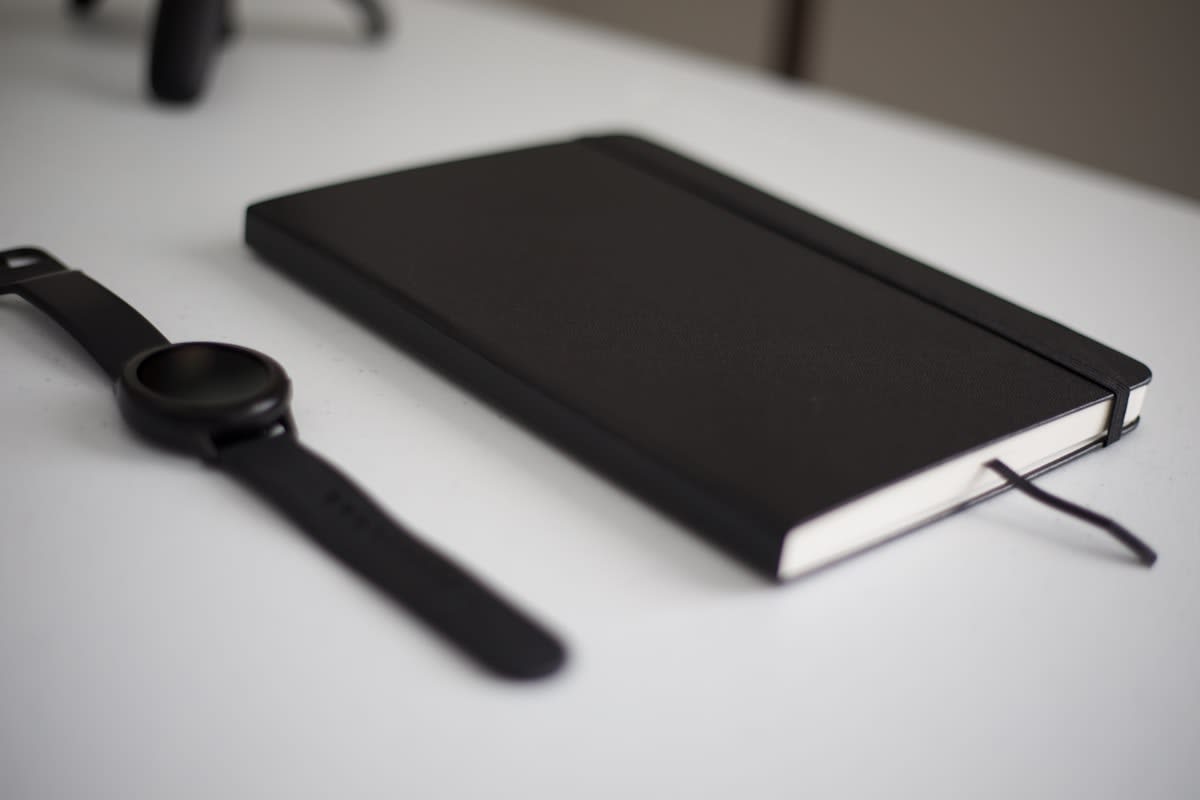
We are seeing a tangible shift in the hardware people carry. While the mass market continues to chase the latest foldable screens and AI-integrated cameras, a growing segment of the high-net-worth and high-influence population is pivoting toward 'dumbphones' or minimalist devices. These devices—which limit the user to calls and texts—are no longer seen as relics of the past, but as tools of liberation. By stripping away the dopamine loops of social media, the user regains control over their attention, which is the most valuable asset in the modern economy.
In cities like New York and Seoul, this trend is particularly visible among Gen Z professionals who are rejecting the burnout culture of their predecessors. They are opting for a 'hybrid' existence: a powerful workstation for deep work and a minimalist device for the rest of their lives. This is not a rejection of technology, but a sophisticated curation of it. They recognize that the smartphone is a portal for everyone else to access them, and by closing that portal, they reclaim their mental autonomy.
From a practitioner's perspective, this creates a fascinating friction in the workplace. I have observed a growing debate in C-suite circles regarding the 'responsiveness paradox.' On one hand, leaders want a responsive team to maintain agility. On the other, they are increasingly admiring the executives who are 'hard to reach.' There is an unspoken understanding that the person who doesn't check their email on a Saturday is likely spending that time on high-level strategy or deep recovery, both of which are more valuable than the act of replying to a thread. The friction lies in the middle management layer, where availability is still the primary metric for performance.

The 2024 Delta: A Shift in the Social Contract
If we compare the current landscape to 12 months ago, the 'delta' is a move from passive digital detoxing to active, strategic unreachability. In 2023, the conversation was about 'screen time' and 'digital wellness'—essentially, how to use the phone less while still being part of the system. In 2024, the conversation has shifted to 'temporal sovereignty'—the right to be completely absent from the system without penalty. The goal is no longer balance; the goal is boundaries.
- Shift from 'Digital Detox' (temporary) to 'Digital Minimalism' (permanent).
- Rise of 'Gatekeeper Culture' where assistants filter all digital access to protect the principal's focus.
- Increased valuation of 'deep work' over 'shallow responsiveness'.
- The emergence of 'analog-only' social circles where devices are banned to increase social capital.
The result is a new social contract. We are moving toward a world where the most influential people are the ones you cannot find on a public platform or reach via a direct message. They have moved their interactions into private, analog, or highly gated spaces. This creates a powerful psychological effect: the more difficult someone is to reach, the more desirable their attention becomes. Absence, in this context, is not a void—it is a magnet.
Editorial Note
This trend is not about a total abandonment of technology, but a shift in who controls the interface. The 'Luxury of Absence' is essentially the luxury of choosing when and how to be seen, rather than being visible by default.
Fact-Check & Accuracy Note
Key claims regarding the 'Right to Disconnect' are sourced from the French Labor Code (2017). Trends regarding 'dumbphone' adoption and Gen Z behavioral shifts are based on broader sociological observations of digital minimalism. The concept of 'conspicuous leisure' is an adaptation of Thorstein Veblen's Theory of the Leisure Class, applied to the digital age.