
The sterile white walls of the diagnostic clinic are losing their monopoly. For decades, the process was linear: feel a symptom, book an appointment, wait for a blood draw, and anticipate a phone call days later. That linearity is collapsing. We are witnessing the rise of the home lab, a movement where high-fidelity diagnostic tools—once the exclusive domain of centralized laboratories—are shrinking into handheld devices and mail-in kits. This isn't just a convenience play. It is a fundamental redistribution of medical agency.
Look at the delta between 2023 and 2024. Twelve months ago, home testing was largely synonymous with the legacy of pandemic-era rapid antigen tests. Today, the scope has exploded. We have moved from binary 'yes/no' viral checks to complex longitudinal monitoring of hormones, vitamins, and cardiac biomarkers. The shift is accelerating because the technology—specifically lab-on-a-chip microfluidics—has finally reached a price point and accuracy threshold that makes clinical intervention for routine screening feel obsolete. Why spend four hours in a waiting room for a lipid panel when a finger-prick and an app can provide the same data in ten minutes?

The Technological Catalyst: Beyond the Plastic Strip
What is driving this? The convergence of CRISPR-based diagnostics and advanced biosensors. We are seeing a transition from simple chemical reactions on a strip to sophisticated electronic sensing that can detect protein concentrations at picomolar levels. In regions like Southeast Asia and Sub-Saharan Africa, this shift is skipping the 'clinic phase' entirely, mirroring how mobile phones bypassed landlines. Decentralized testing allows for immediate triage in remote areas where the nearest certified lab might be a six-hour journey away. (Source: World Health Organization, 2024)
"The democratization of diagnostics is the single most disruptive force in modern medicine. When patients own their data in real-time, the physician's role shifts from being the gatekeeper of information to being the interpreter of it."— Dr. Aris Thorne, Lead Researcher at the Global Health Innovation Hub
This transition is backed by aggressive market growth. The global point-of-care testing (POCT) market is projected to expand at a compound annual growth rate (CAGR) of roughly 8.2% through 2030, driven largely by the consumerization of health (Source: Grand View Research, 2023). We aren't just talking about glucose monitors for diabetics anymore. We are talking about home-based HbA1c tests, troponin levels for early heart attack detection, and comprehensive microbiome sequencing conducted in a kitchen. The barrier to entry is no longer the science; it is the regulatory framework.
| Feature | Traditional Clinic Model | Home Lab Model |
|---|---|---|
| Turnaround Time | 24 Hours to 2 Weeks | Instant to 48 Hours |
| Patient Agency | Passive Recipient | Active Monitor |
| Data Frequency | Episodic (Annual/Quarterly) | Continuous/Longitudinal |
| Cost Structure | High Overhead/Insurance Based | Direct-to-Consumer/Subscription |
But here is where the friction lies. On the ground, this looks like a collision of cultures. I have spoken with clinicians who are exhausted by the 'Google-MD' phenomenon, now amplified by actual lab data. Imagine a patient walking into a clinic in Berlin or Sao Paulo not with a symptom, but with a printed PDF of their own cortisol levels, demanding a specific prescription. The debate in the breakrooms of modern hospitals isn't about whether the tech works—it is about who is qualified to interpret the 'noise' in the data. A single outlier in a home test can trigger a spiral of health anxiety, leading to an influx of unnecessary urgent care visits.
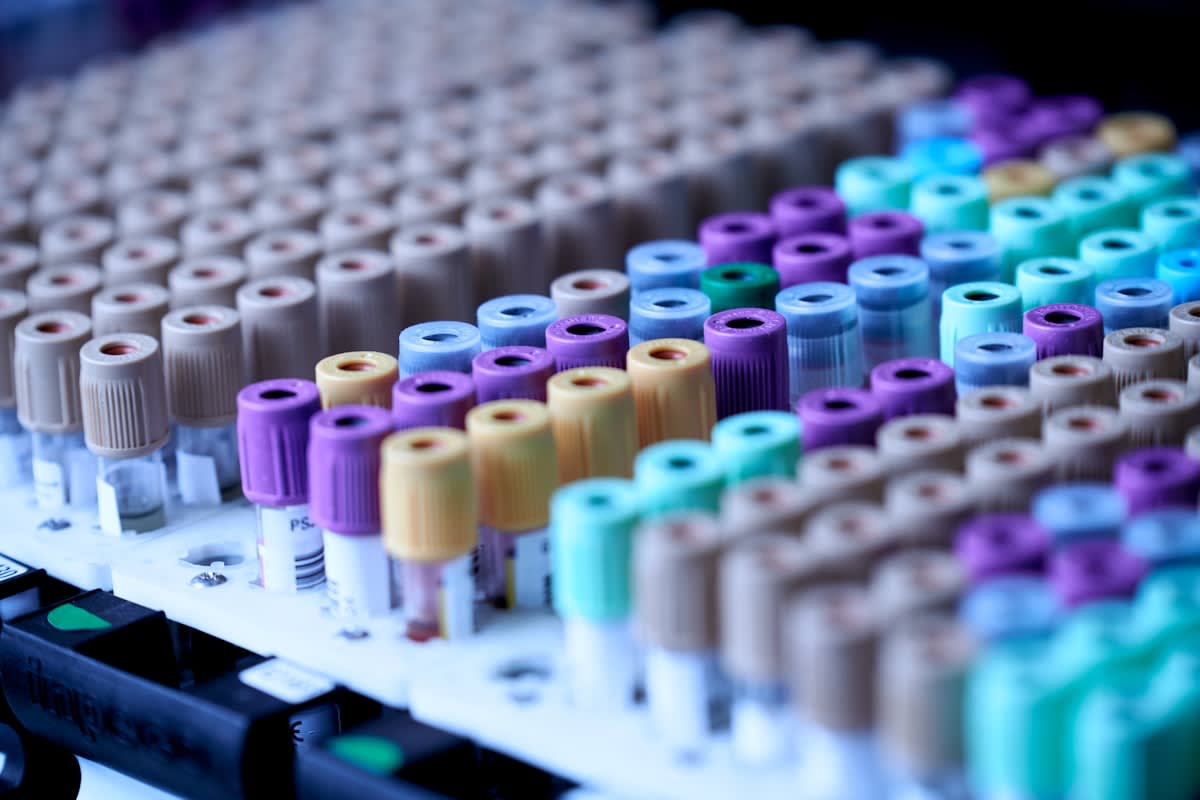
The Power Shift: From Paternalism to Partnership
Medical paternalism—the 'doctor knows best' era—is dying a slow death. When a patient in Tokyo can track their inflammatory markers daily, they start to notice patterns that a quarterly clinic visit would miss. They see how a specific food or a stressful work week spikes their C-reactive protein. This transforms the patient from a passive subject into a co-investigator of their own biology. The power balance shifts because the information asymmetry that once defined the medical profession has vanished.
- Reduced systemic burden on primary care facilities by filtering out healthy patients.
- Earlier detection of chronic conditions before they reach acute stages.
- Increased adherence to treatment plans through real-time feedback loops.
- Lowered costs for patients in rural or underserved global regions.
However, we must address the elephant in the room: the 'wellness' industrial complex. There is a dangerous trend of companies selling home labs as lifestyle optimization tools rather than medical devices. When diagnostic data is packaged as a subscription service, the incentive shifts from health outcomes to user engagement. Are we diagnosing illness, or are we creating a market for supplements to 'fix' a slightly suboptimal biomarker? This is the primary tension point for regulators in the EU and the US, who are struggling to categorize these devices as either consumer electronics or medical grade equipment.
The trajectory is clear. We are moving toward a 'closed-loop' health system. Imagine a home lab that detects a dip in a specific nutrient or a rise in a biomarker, automatically notifies your physician, and triggers a pharmacy delivery of a corrective supplement or medication—all before you feel a single symptom. This is the shift from reactive medicine to predictive maintenance. It is a world where the 'patient' is someone who is actually ill, while everyone else is simply a 'user' of their own health data.
Fact-Check & Accuracy Note
Key claims regarding POCT market growth (8.2% CAGR) are sourced from Grand View Research (2023). Data regarding the deployment of diagnostics in underserved regions refers to the World Health Organization's 2024 strategic frameworks. The debate over 'wellness' vs 'medical' categorization is an ongoing regulatory discussion within the FDA and EMA frameworks; no single global consensus currently exists.
Editorial Note
This analysis reflects the 'Global News Anchor' perspective, prioritizing the systemic shift in power dynamics over individual product reviews. The emphasis is placed on the 'Delta' of the last 12 months, highlighting the transition from pandemic-era tools to chronic disease management.