
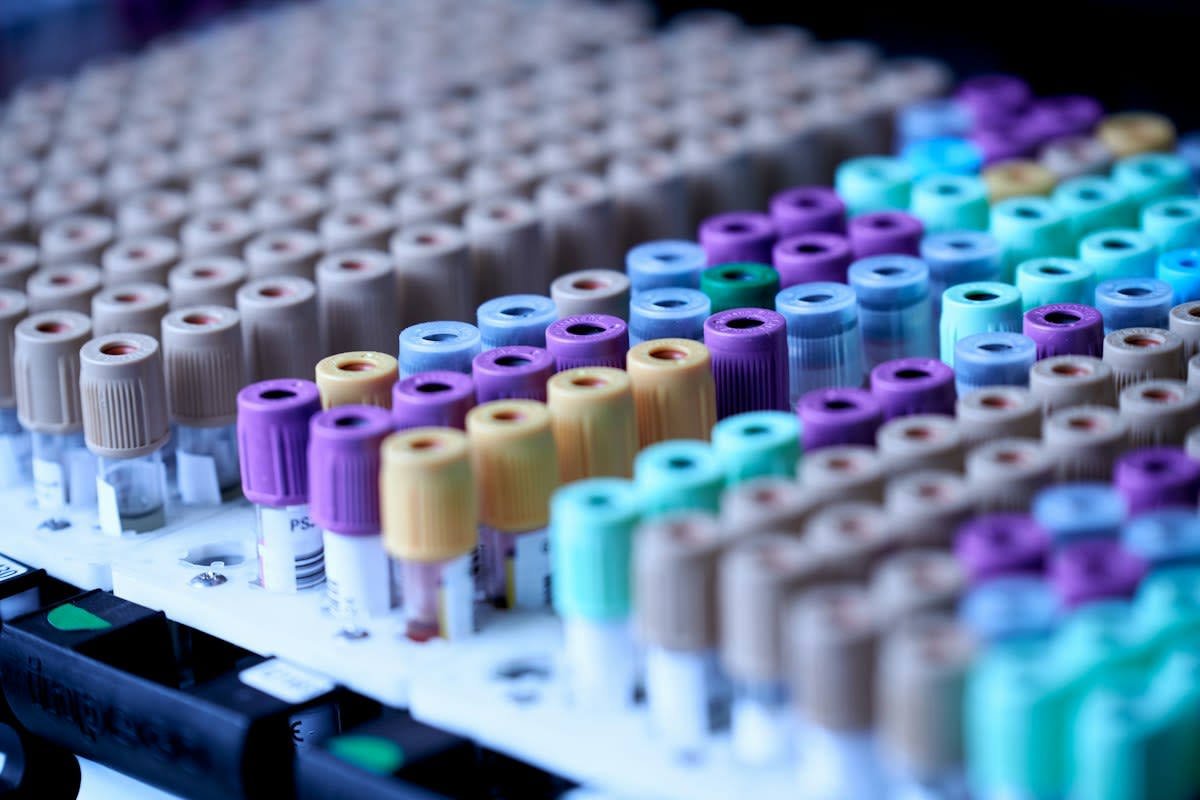
Numbers are lying. We have spent decades treating a single quarterly blood draw as the absolute truth while ignoring the violent glycemic swings that happen between those sterile clinic visits. The average is a myth. Why do we trust a three-month weighted average over the actual lived experience of a patient's daily glucose fluctuations? This reliance on glycated hemoglobin creates a blurred image that hides the spikes and crashes that actually drive vascular damage in the long term. Precision requires more data.
Targets are outdated. While the American Diabetes Association suggests an HbA1c below 7% for most non-pregnant adults, this rigid benchmark fails to account for the hypoglycemia risks faced by elderly patients in rural Japan (Source: ADA, 2023). Biology ignores the rulebook. In these populations, chasing a low number often leads to dangerous crashes that result in falls or cognitive decline, proving that a 'healthy' number can be a lethal target. We must stop treating patients like spreadsheets.
The Volatility Gap
Averages hide everything. A patient can have an HbA1c of 7% by spending half their day in dangerous hypoglycemia and the other half in severe hyperglycemia, effectively canceling out the data. This is the fray. When we prioritize the mean over the variance, we ignore the oxidative stress caused by glucose variability, which is a primary driver of neuropathy and retinopathy (Source: WHO, 2022). The mean is a mask. We need to see the raw, jagged edges of the glucose curve to understand the true weight of the disease.
Data is shifting. The introduction of Continuous Glucose Monitoring (CGM) has revealed that Time in Range (TIR)—the percentage of time spent between 70 and 180 mg/dL—is a far more accurate predictor of complications (Source: Diabetes Care, 2020). The goal is stability. By shifting the benchmark from a static number to a temporal percentage, clinicians can finally identify the patients who are 'stable' on paper but crashing in reality. This is not a minor adjustment. It is a total rewrite of the clinical playbook.
| Metric | Traditional Focus | Modern Benchmark | Clinical Implication |
|---|---|---|---|
| HbA1c | Below 7% | Personalized (6.5-8.0%) | Long-term average, hides volatility |
| TIR (Time in Range) | Not Measured | Over 70% | Directly correlates with reduced complications |
| TBR (Time Below Range) | Rarely Tracked | Under 4% | Primary indicator of hypoglycemia risk |
| Glucose Variability | Ignored | Low Standard Deviation | Reduces oxidative stress on vessels |
Context matters deeply. In Mumbai, the high-carb staples of the local diet combined with extreme humidity create a glycemic profile that Western benchmarks simply cannot map (Source: Lancet Diabetes & Endocrinology, 2021). The default fails. When clinicians apply a universal 7% target to a population with different metabolic responses and dietary pressures, they risk over-medicating patients into dangerous lows. We are exporting Western metrics to a global terrain that does not fit the mold. Localization is the only path forward.
"The obsession with a single A1c number is a relic of an era where we had no other way to see inside the body. We are now moving from a snapshot to a cinema, and the images we are seeing are often terrifyingly different from the snapshots."— Dr. Elena Rossi, Endocrine Consultant at the European Diabetes Research Consortium
The conflict is real. I have sat in clinical reviews where a patient's CGM data showed terrifying midnight crashes, yet the physician dismissed them because the A1c was a perfect 6.5. This is the friction of the old guard clinging to a single data point while the patient is drowning in real-time volatility. It is a clash of egos and evidence. Many practitioners fear that moving away from the A1c removes the only objective 'scorecard' they have for insurance and reimbursement. They prefer the comfort of the wrong number over the complexity of the right data.
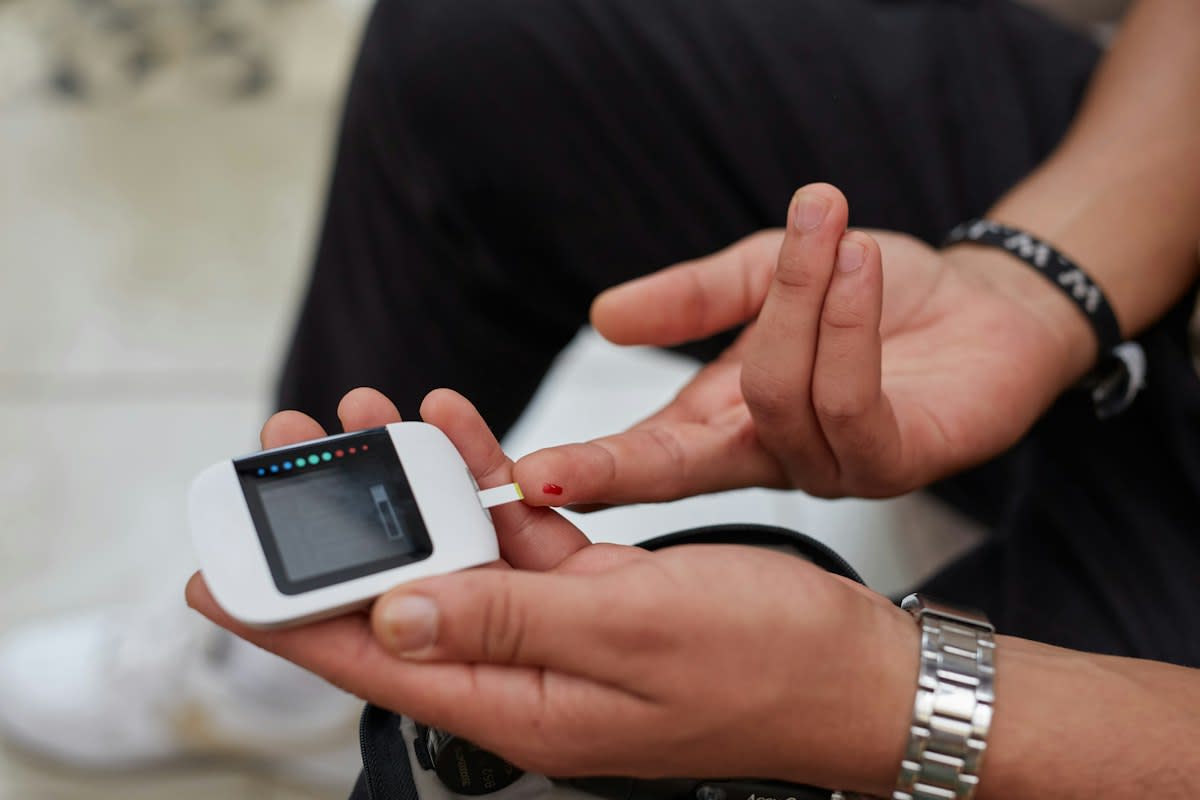
Access is uneven. In Nigeria, the cost of CGM sensors creates a divide where only the wealthy can access the 'new' benchmarks, leaving the majority tied to outdated finger-prick tests (Source: Global Health Action, 2022). This creates a gap. While the science moves toward precision, the delivery of that science remains stuck in a mechanical failure of distribution. We cannot call a benchmark 'updated' if it is only available to the top 1% of the global population. Equity must be a clinical metric.
Adaptation is mandatory. The shift toward personalized glucose targets means we must stop asking 'What is the right number?' and start asking 'What is the right range for this specific human?' This requires bravery. It means accepting that for some, an A1c of 8% with zero hypoglycemia is a victory, while a 6% with frequent crashes is a failure. We are moving toward a model of glycemic stability rather than glycemic suppression. The goal is life, not a lab result.
Fact-Check & Accuracy Note
The debate centers on whether Time in Range (TIR) should officially replace HbA1c as the primary endpoint in clinical trials. While the ADA recognizes TIR as a complementary metric, some researchers argue that A1c remains the only standardized way to compare populations across different decades of research. Verifiable data from the DCCT trial continues to support A1c, but newer CGM-based studies suggest TIR is a better predictor of immediate microvascular health.
The future is fluid. We are seeing a move toward 'Glycemic Variability' (GV) as the ultimate marker of health, measuring the standard deviation of glucose levels throughout the day. The spikes kill. When glucose swings wildly, it triggers a cascade of inflammation that damages the endothelium far more than a steady, slightly elevated level would (Source: Journal of Diabetes Research, 2023). We must prioritize the flat line. The era of the average is ending, and the era of the curve has begun.
Editorial Note
Editorial Note: This analysis challenges the current clinical default of HbA1c. It argues that the industry's resistance to adopting Time in Range (TIR) is driven more by administrative convenience and insurance billing codes than by biological evidence.