
The Biological Brake: Understanding Vagal Tone
Most high-performers treat stress as a mental hurdle to be overcome by sheer force of will. This is a fundamental category error. Stress is not a thought; it is a physiological state governed by the autonomic nervous system. When you are in the heat of a high-stakes negotiation in Singapore or managing a crisis in a London boardroom, your sympathetic nervous system hits the gas pedal, triggering a fight-or-flight response that narrows your cognitive field. To counter this, you need to engage the biological brake: the vagus nerve.
The vagus nerve is the primary component of the parasympathetic nervous system, acting as a bidirectional highway between your brain and your internal organs. Vagal tone refers to the efficiency and strength of this nerve's activity. High vagal tone allows you to recover from stress quickly and maintain a state of calm alertness. When your vagal tone is low, you remain trapped in a state of hyper-arousal, where decision-making becomes impulsive and emotional regulation collapses. The goal of a vagal reset is not to eliminate stress, but to optimize your ability to pivot between arousal and recovery.
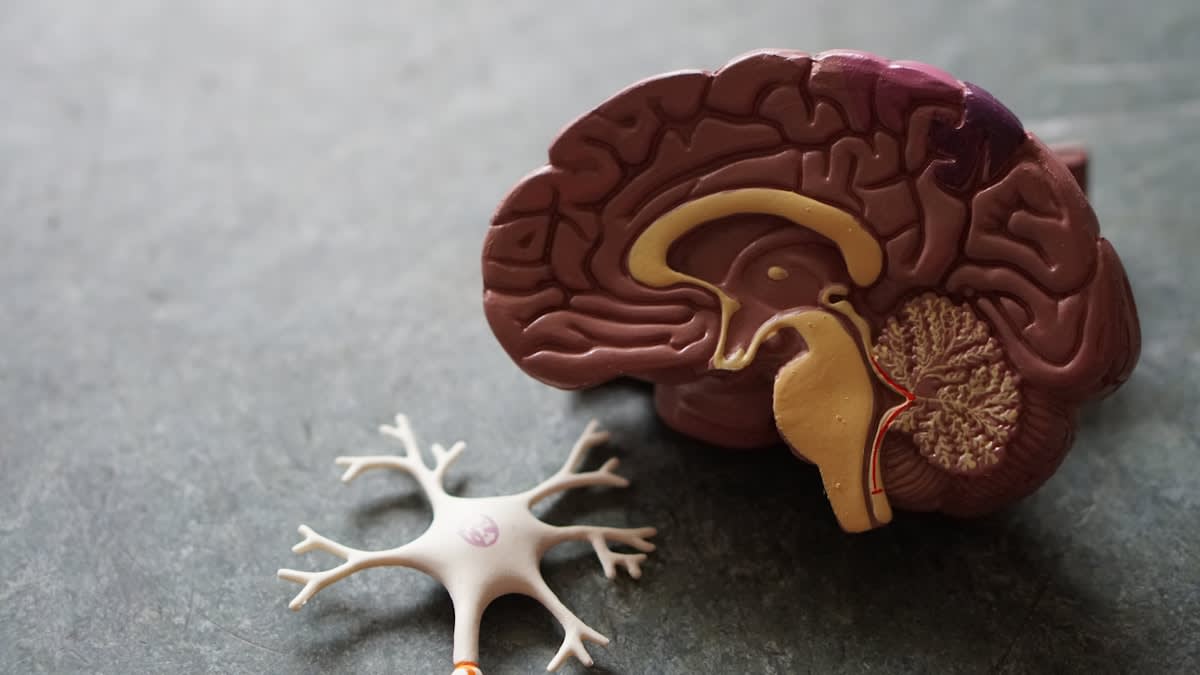
Why does this matter for decision-making? Because the prefrontal cortex—the area of the brain responsible for complex planning and rational thought—is effectively sidelined during a sympathetic surge. By consciously stimulating the vagus nerve, you signal to the brain that the immediate threat has passed. This restores access to higher-order cognition, allowing you to analyze data and weigh risks without the interference of a panic response. It is the difference between reacting and responding.
Prerequisites for the Reset
- Access to cold water (sink or basin) for immediate thermal resets.
- A quiet environment for initial breathing practice (at least 5 minutes of undisturbed time).
- A willingness to engage in vocalization (singing or humming), regardless of musical ability.
- Consistency: A commitment to daily practice for a minimum of 4 to 8 weeks to see structural changes in autonomic health.
Before diving into the techniques, you must understand that these are not one-off tricks. They are skills. Much like training a muscle, the nervous system requires repetitive stimulus to shift its baseline. The transition from a sympathetic-dominant state to a parasympathetic-dominant state is a physiological process that strengthens with consistent application.
Level 1: Immediate Thermal Shocks
When you are in the grip of an acute stress response, you don't have time for a twenty-minute meditation. You need a pattern interrupt. Cold water exposure is the most aggressive and efficient way to trigger the diving reflex, an evolutionary mechanism that immediately slows the heart rate and activates the vagus nerve. This is a biological override that forces the system to reset, regardless of the mental narrative running in your head.
- Locate a source of cold water (the colder, the better).
- Splash cold water vigorously onto your face, focusing on the area around the eyes and cheekbones.
- Alternatively, submerge your face in a basin of cold water for 15 to 30 seconds while holding your breath.
- Focus on the sensation of the cold hitting your skin to anchor your attention in the present moment.
This thermal shock works by stimulating the trigeminal nerve, which in turn signals the vagus nerve to decelerate the cardiac rhythm. It is a blunt instrument, but in high-pressure scenarios—such as before a critical presentation or after a confrontational meeting—it is the fastest way to clear the cognitive fog of a cortisol spike.
While cold water provides the immediate reset, long-term resilience requires more subtle, sustainable inputs. We move from the shock of the exterior to the resonance of the interior.
Level 2: Sonic Resonance and Vocalization
The vagus nerve passes directly through the larynx and pharynx. This anatomical proximity means that the physical vibrations created by singing, humming, or chanting can mechanically stimulate the nerve. This is not about the art of music; it is about the physics of vibration. By engaging the muscles of the throat and chest, you create a rhythmic stimulus that encourages the body to shift toward a parasympathetic state.
"Singing actually builds vagal tone. So slapping some cold water on your face or submerging your face in cold water also works to build vagal tone."— Practitioner Insights
For the modern professional, singing in public may be impractical. However, humming or deep, resonant chanting in private can achieve the same result. The key is the vibration. When you sing or hum, you are essentially massaging the vagus nerve from the inside out, building a higher baseline of vagal tone that makes you less reactive to daily stressors.
Level 3: Precision Breathing and the Power of the Exhale
If cold water is a blunt instrument, box breathing is a scalpel. This technique regulates the autonomic nervous system through four precisely timed phases. Unlike general deep breathing, box breathing engages the baroreflex and builds CO2 tolerance, creating a clinically meaningful shift from sympathetic stress to parasympathetic calm. It is a tool used by elite operators globally to maintain composure under extreme pressure.
The critical driver of this technique is the exhale. As you breathe out slowly, cardiac vagal tone increases sharply. This means the vagus nerve exerts a stronger braking force on the heart, causing the heart rate to decelerate. This process peaks the Respiratory Sinus Arrhythmia (RSA) and spikes Heart Rate Variability (HRV). A higher HRV in this moment is a direct marker of a nervous system that is efficiently shifting toward a parasympathetic state.
- Inhale deeply through the nose for a count of 4, filling the diaphragm.
- Hold the breath for a count of 4, maintaining a relaxed posture.
- Exhale slowly through the mouth for a count of 4, feeling the heart rate decelerate.
- Hold the lungs empty for a count of 4 before beginning the next cycle.
| Metric | Sympathetic State (Gas) | Parasympathetic State (Brake) |
|---|---|---|
| Heart Rate | Accelerated / Irregular | Decelerated / Stable |
| HRV (Heart Rate Variability) | Low (Rigid) | High (Flexible) |
| Cognitive Focus | Narrowed / Reactive | Broad / Analytical |
| Vagal Tone | Suppressed | Active / Dominant |
To achieve lasting results, this practice must be consistent. Research indicates that the shift in autonomic health strengthens significantly over a period of 4 to 8 weeks. You are not just calming yourself for a moment; you are retraining your nervous system to handle higher loads of stress without breaking.
While breathwork is accessible, the frontier of vagal tuning lies in direct neuromodulation.
Level 4: Advanced Neuromodulation and taVNS
For those seeking a more technical approach, transcutaneous auricular vagus nerve stimulation (taVNS) offers a way to modulate the nervous system without invasive surgery. taVNS works by sending electrical impulses through the skin of the ear to activate the auricular branch of the vagus nerve. These impulses travel to the nucleus tractus solitarius in the brainstem, which then modulates regions controlling cognition, motor control, and emotional regulation.
This is not merely for clinical populations. In healthy individuals, taVNS has been used in research to enhance motor performance, accelerate learning, and improve neuromuscular control. By bypassing the need for conscious effort (like breathing or singing), taVNS provides a direct line of communication to the brain's regulatory centers. It is the ultimate tool for those who need to optimize their cognitive training and emotional stability.
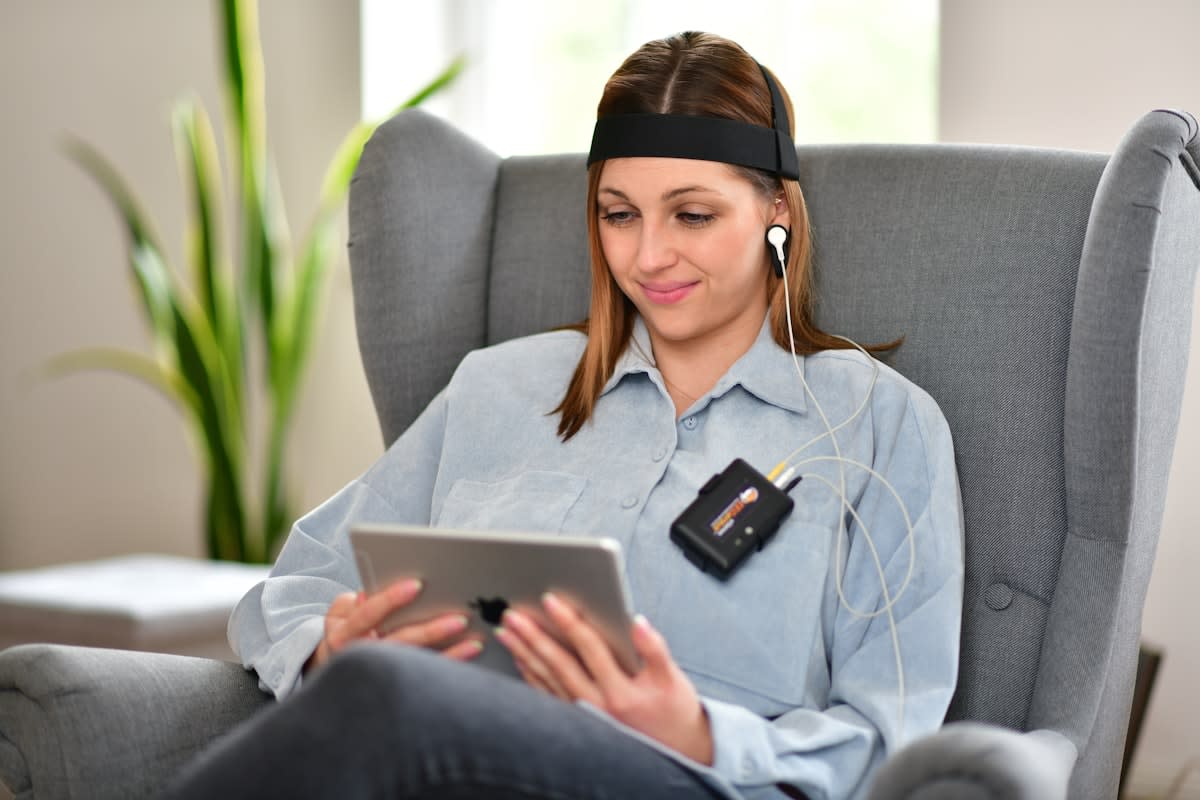
Beyond taVNS, other forms of Tesla-inspired neuromodulation, such as repetitive transcranial magnetic stimulation (rTMS) and tDCS, are being explored to enhance neurovascular units. However, for the practitioner focused on the vagal reset, taVNS remains the most targeted method for accessing the parasympathetic brake.
Common Pitfalls in Vagal Tuning
- Over-breathing: Forcing the breath too hard during box breathing can actually trigger a panic response rather than a reset. Keep the effort low.
- Inconsistency: Attempting a vagal reset only during a crisis. The system must be primed during calm periods to work during high-pressure events.
- Ignoring the Exhale: Focusing too much on the inhale. The inhale is sympathetic; the exhale is parasympathetic. If you don't emphasize the slow release, you won't trigger the HRV spike.
- Over-reliance on Technology: Using taVNS as a crutch without developing the internal capacity for breath and thermal regulation.
The most common mistake is treating these techniques as a cure for a toxic environment. A vagal reset allows you to function optimally within a high-pressure system, but it does not remove the pressure itself. The goal is resilience—the ability to enter the storm, make the right call, and return to baseline without carrying the physiological cost of the stress long after the event has ended.