
The Biology of the Panic Button
Why do you wake up feeling a sense of urgency before you even open your eyes? It is not just the pressure of a mounting inbox; it is a biological event. Every morning, the human body experiences a natural spike in cortisol, the primary stress hormone, designed to propel us into action. For most, this is a helpful wake-up call. For those trapped in a cycle of chronic stress, however, this spike acts as a trigger, slamming the brain into a state of high-alert 'panic mode' that persists long after the coffee has kicked in.
The secret to overriding this response lies in the vagus nerve, the longest nerve in your body and the primary highway of the parasympathetic nervous system. When this system is activated, it sends a signal to the heart, lungs, and digestive tract to slow down and recover. It is the biological equivalent of a kill-switch for stress. By stimulating the vagus nerve, you can effectively transition from a state of sympathetic dominance—where anxiety and cortisol reign—to a state of parasympathetic recovery, characterized by mental clarity and physiological stability.

Prerequisites for the Reset
Before attempting a neural reset, you must prepare your environment to minimize external sympathetic triggers. You do not need a meditation retreat in the Himalayas, but you do need a dedicated five-minute window of uninterrupted time. The goal is to move from a state of reaction to a state of intention.
- A quiet space where you can sit or lie down comfortably without interruption.
- An awareness of your current breath pattern (shallow chest breathing vs. deep diaphragmatic breathing).
- A willingness to prioritize physiological regulation over immediate productivity.
- Optional: A non-invasive vagus nerve stimulator (VNS) device if following the bioelectronic path.
Once these basics are in place, the focus shifts to the actual mechanics of the reset. Whether you choose the ancestral path of mindful movement or the modern path of bioelectric medicine, the objective remains the same: stimulating the parasympathetic nervous system to lower morning cortisol levels.
The Step-by-Step Reset Protocol
- Initiate Pranayama: Begin with focused breathing techniques. Inhale deeply through the nose, allowing the diaphragm to expand fully, and exhale slowly. This ancient Indian practice is scientifically recognized for its ability to regulate the hormonal response to cortisol.
- Engage in Mindful Movement: Incorporate gentle yoga poses. This combination of flexibility and breath stimulates the parasympathetic nervous system, increasing blood circulation and enhancing daily focus.
- Apply Targeted Stimulation: If utilizing bioelectric tools, apply a non-invasive stimulator such as the gammaCore or Truvaga Plus to the targeted nerve areas to trigger an immediate neural shift.
- Observe the Shift: Spend 60 seconds in complete stillness, observing the deceleration of your heart rate and the cooling of the 'panic' sensation in the chest.
- Re-entry: Slowly transition back into your day, maintaining the diaphragmatic breathing pattern to prevent a secondary cortisol spike.
The efficacy of this sequence is grounded in the intersection of ancient wisdom and modern science. For instance, the US National Center for Complementary and Integrative Health has indicated that regular yoga practice specifically activates the parasympathetic nervous system. By combining Pranayama with intentional movement, you aren't just relaxing; you are chemically altering your brain's environment to favor resilience over reactivity.
"Millions globally start their day with yoga to improve joint flexibility, increase blood circulation, and lower morning cortisol levels."— WIONews Health Analysis
While breathing and movement are accessible to all, the frontier of vagus nerve resets has moved into the realm of bioelectric medicine. This is no longer the stuff of science fiction; it is a clinical reality used by elite operators and patients with severe neurological conditions.
The Bioelectronic Frontier: Precision Stimulation
For those who require a more potent or immediate intervention, non-invasive vagus nerve stimulation (nVNS) offers a high-precision alternative. Companies like electroCore have pioneered devices such as gammaCore, which is FDA-cleared for the treatment of migraines and cluster headaches. More impressively, gammaCore has received the FDA Breakthrough Device Designation for PTSD, signaling a massive shift in how we treat trauma-induced hyperarousal.
The application of these technologies extends beyond clinical settings. The US military has utilized TAC-STIM for human-performance use, recognizing that the ability to switch off the panic response is a critical operational advantage. Furthermore, NIH-funded research has explored the use of vagus nerve stimulation to assist with opioid withdrawal, demonstrating the nerve's profound influence over systemic addiction and recovery.
Recent breakthroughs continue to emerge. On July 28, 2026, Spark Biomedical announced new research for the NYC Neuromodulation Conference. Their transcutaneous auricular neurostimulation (tAN) technology has shown a documented ability to alter acute stress physiology. In decentralized trials, this technology improved stress resilience and sleep among first responders—individuals who exist in a permanent state of sympathetic overdrive.
| Method | Primary Trigger | Target Outcome | Speed of Effect |
|---|---|---|---|
| Pranayama/Yoga | Diaphragmatic Breath | Cortisol Regulation | Moderate |
| tAN Technology | Auricular Stimulation | Acute Stress Alteration | Fast |
| gammaCore/Truvaga | Non-invasive VNS | PTSD/Migraine Relief | Immediate |
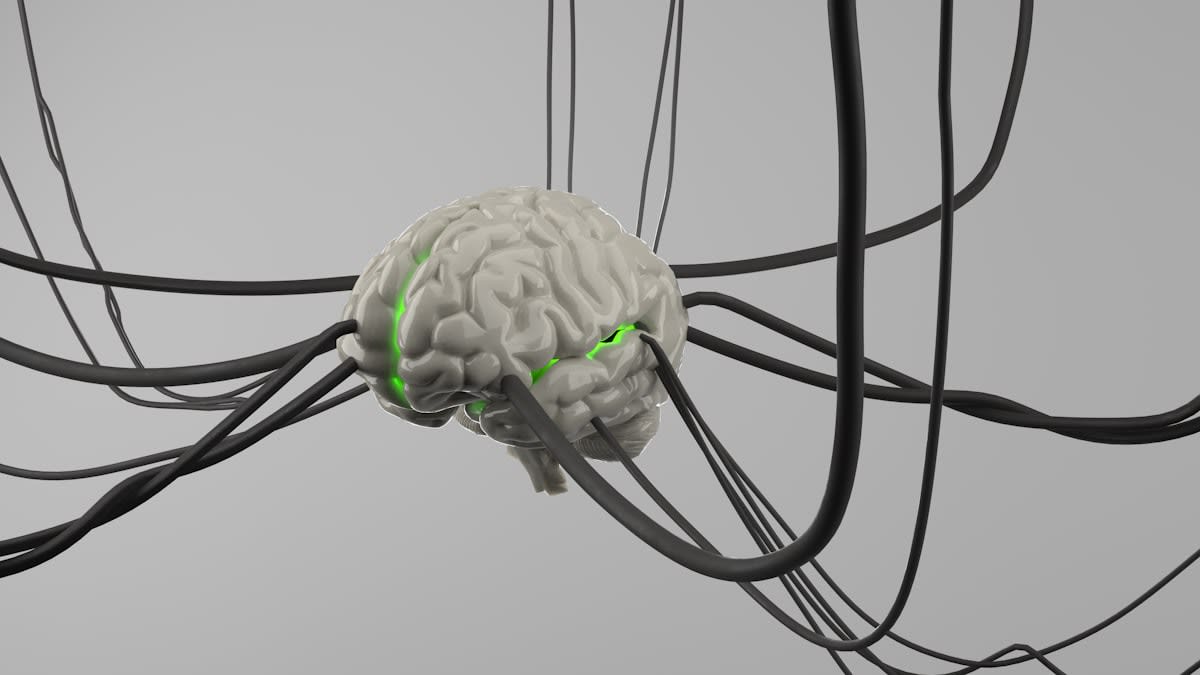
The convergence of these methods creates a comprehensive spectrum of care. While a morning yoga routine is an excellent preventative measure for the general population, the precision of tAN and nVNS provides a critical lifeline for those dealing with clinical PTSD or the extreme pressures of first-responder roles. The shift is clear: we are moving from passive stress management to active neural engineering.
Common Pitfalls in the Reset Process
Many practitioners fail not because the techniques don't work, but because they attempt to implement them too late. Trying to 'reset' your vagus nerve in the middle of a full-blown panic attack is like trying to put out a forest fire with a water pistol. The most effective resets happen during the window of the morning cortisol spike, before the sympathetic nervous system has completely hijacked the body's physiology.
Another frequent error is the reliance on technology without the foundational work of breath awareness. While a device like Truvaga Plus can provide a physiological nudge, the long-term resilience is built through the repeated activation of the parasympathetic system via Pranayama. Technology should be viewed as an accelerant, not a replacement for the body's innate capacity for regulation.
Pro Practitioner Tip
Consistency beats intensity. Five minutes of daily vagus nerve stimulation is more effective for long-term cortisol regulation than a two-hour session once a week.