
Prerequisites for High-Frequency Quantification
Eliminating ACL injuries requires a departure from reactive medicine. You cannot rely on a physical therapist's intuition or a surgeon's general timeline. To execute this protocol, practitioners need a high-frequency data stream capable of measuring the autonomic nervous system's response to load. This requires screenless, low-friction wearables like the leaked Garmin CIRQA, which prioritize recovery monitoring over active performance tracking. Without sensors capable of capturing Electrodermal Activity (EDA) and Heart Rate Variability (HRV), you are simply guessing at an athlete's readiness.
Beyond hardware, the environment must support a culture of biological patience. The pressure of professional contracts often forces athletes back into the fray before the tissue has structurally matured. Whether it is a fighter returning for a final contract bout or a skier competing in the 2026 Milano Cortina Olympics, the gap between 'healing' and 'functional resilience' is where most re-tears occur. You need a commitment to biometric thresholds over calendar dates.
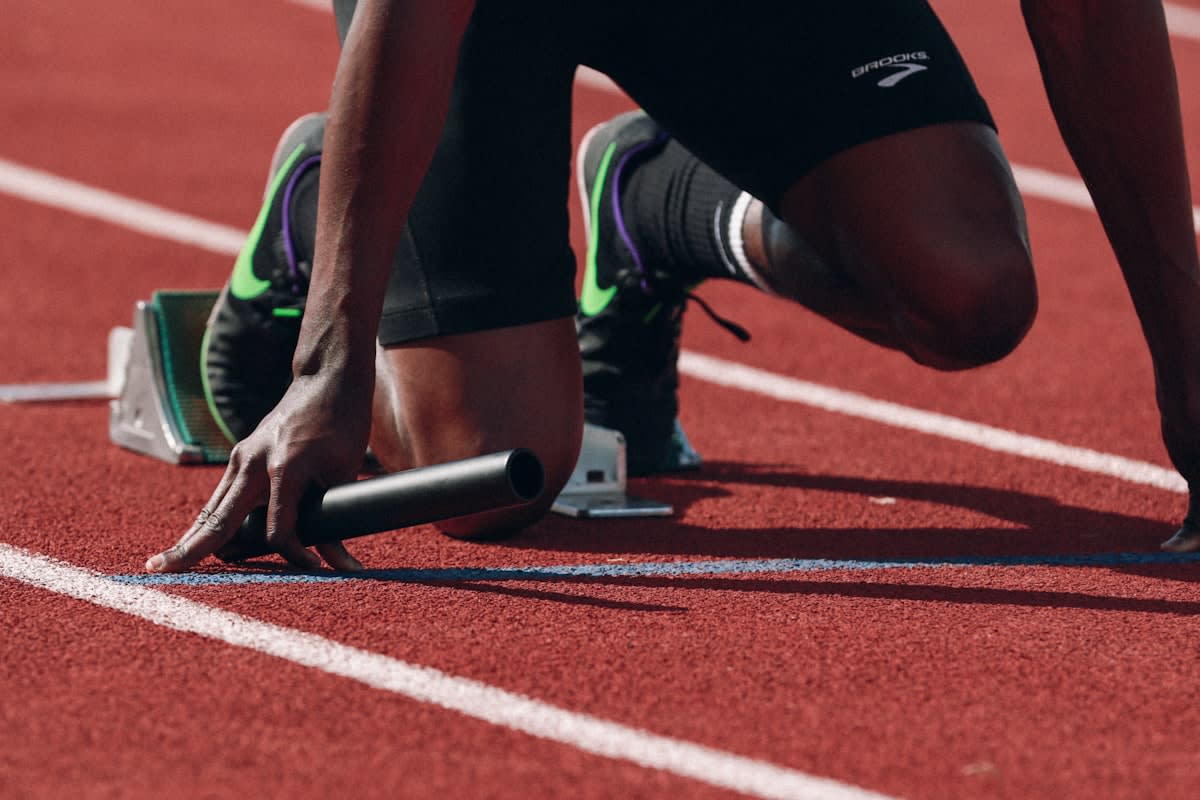
The Protocol for ACL Eradication
- Deploy Electrodermal Activity (EDA) sensors to map sympathetic nervous system overdrive and detect neurological fatigue before mechanical failure occurs.
- Synchronize respiratory tracking with high-intensity intervals to identify the exact moment when systemic stress compromises joint stability.
- Calibrate recovery windows based on the biological distinction between bone and ligament healing rates to avoid premature load increases.
- Replace subjective 'clearance' with HRV-driven readiness scores, ensuring the athlete's internal state matches the external demand of the sport.
- Integrate biometric baselining into youth development camps to identify high-risk movement patterns before they manifest as catastrophic injuries.
The failure of current ACL prevention is rooted in the 'hardcore training' mentality. Dana White's commentary regarding Conor McGregor's recovery following his July 11, 2026, injury at UFC 329 highlights this flaw: the expectation is that an athlete undergoes surgery, completes physical therapy, and then returns to 'hardcore training' once a doctor gives the word. This is a binary approach to a gradient problem. A 38-year-old athlete's ligamentous response differs wildly from a 20-year-old's, yet the recovery scripts remain largely identical.
The Readiness Gap
The danger of 'Doctor's Clearance' is that it often measures the absence of pathology rather than the presence of performance readiness. A healed scar is not a functional ligament.
Consider the case of Lindsey Vonn at the 2026 Milano Cortina Olympics. Vonn's experience provides a clinical lesson in tissue variance: bones do not heal the same way ligaments do. Competing with a torn ACL, while possible for some, creates a precarious reliance on secondary stabilizers. By the time Vonn noted the need to remove metal and fix the ACL, the biological cost had already been paid. High-frequency quantification would have flagged the discrepancy between her bone healing and ligament instability long before she stepped onto the slope.
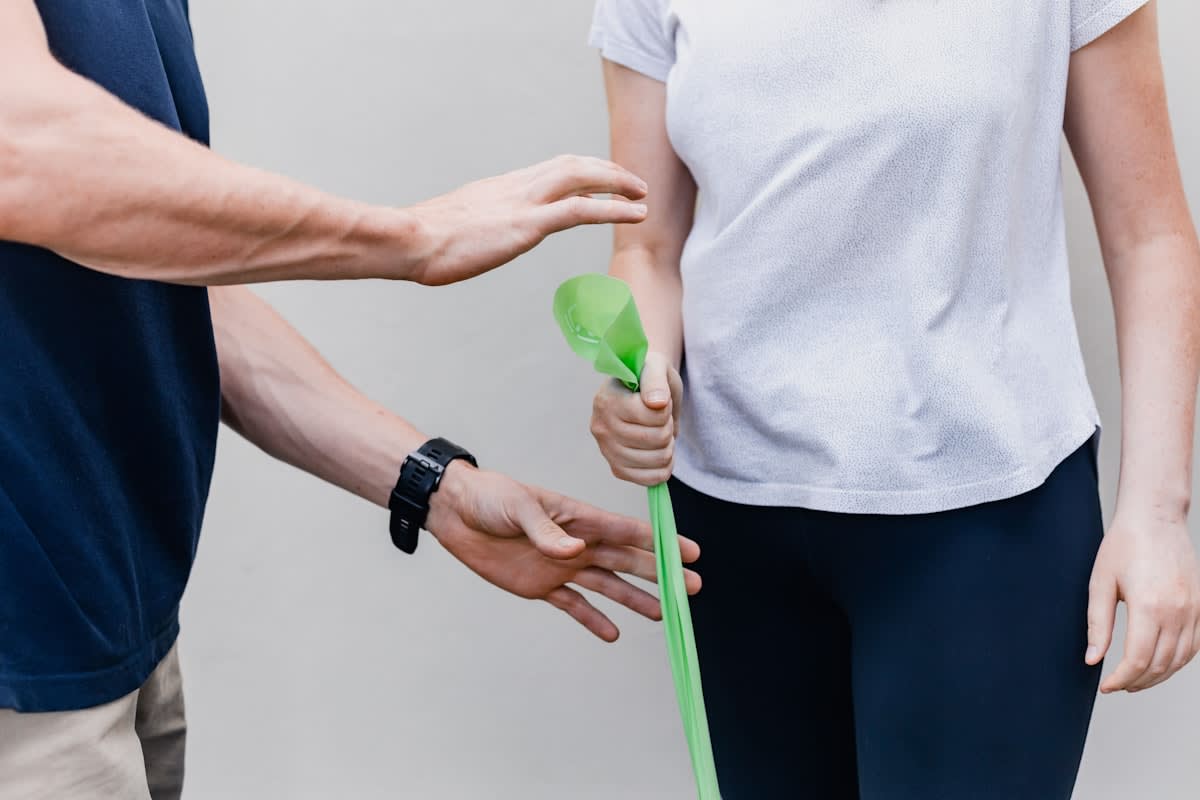
The integration of the Garmin CIRQA's leaked capabilities—specifically EDA and respiratory tracking—allows for a real-time assessment of the 'stress budget.' When the sympathetic nervous system is over-indexed, proprioception drops. Proprioception is the only thing standing between a clean landing and a snapped ACL. If the EDA sensor indicates a state of high arousal or fatigue, the athlete's brain stops communicating effectively with the knee stabilizers. This is where the injury happens.
| Metric | Traditional Approach | Quantified Approach |
|---|---|---|
| Return to Play | Calendar-based (e.g., 9 months) | HRV-Readiness Threshold |
| Load Management | Subjective 'Feel' / Coach's Eye | EDA-mapped Neurological Stress |
| Tissue Assessment | Periodic MRI/Physical Exam | Continuous Respiratory/HRV Tracking |
| Youth Screening | General Skill Assessment | Biometric Baseline Mapping |
We must also address the systemic failure in youth athletics. In the United States, the billion-dollar youth sports industry has transformed soccer and baseball into high-cost, high-pressure environments. When access is limited to those who can pay, the focus shifts from long-term athletic development to immediate results. This pressure leads to overtraining and premature specialization, which are primary drivers of ACL injuries in adolescent athletes. Programs like the Atlanta Vibe volleyball camp are starting to sharpen skills, but without biometric baselining, they are still operating in the dark.
"The bones don't heal the same way that ligaments do and I wasn't quite used to that."— Lindsey Vonn
If we apply the lessons from the U.S. Men's National Team's 4-1 loss to Belgium, we see the result of systemic failure under pressure. While that was a tactical collapse, the underlying physical fragility of a squad pushed to its limit is mirrored in the ACL epidemic. When athletes are pushed beyond their biometric capacity, the body finds the weakest link. In most pivoting sports, that link is the anterior cruciate ligament.
The execution of this quantified model requires a screenless interface to avoid the cognitive load of constant data checking. The Garmin CIRQA's design philosophy—relying on an app for visualization while the device collects data invisibly—is essential. Athletes need to perform, not analyze, while they are on the field. The analysis happens in the recovery phase, where the data informs the next day's load.
Common Pitfalls in Quantified Recovery
- Over-reliance on a single metric: Using HRV without EDA ignores the difference between cardiovascular and neurological fatigue.
- Ignoring tissue variance: Treating ligament healing with the same timeline as bone healing, as seen in the Vonn case.
- The 'Hardcore' Trap: Allowing a coach's desire for intensity to override a biometric red flag.
- Neglecting youth baselines: Waiting until professional entry to start quantification, leaving years of accumulated instability untreated.
- Data noise: Failing to account for non-athletic stressors (sleep, nutrition) that skew HRV and EDA readings.