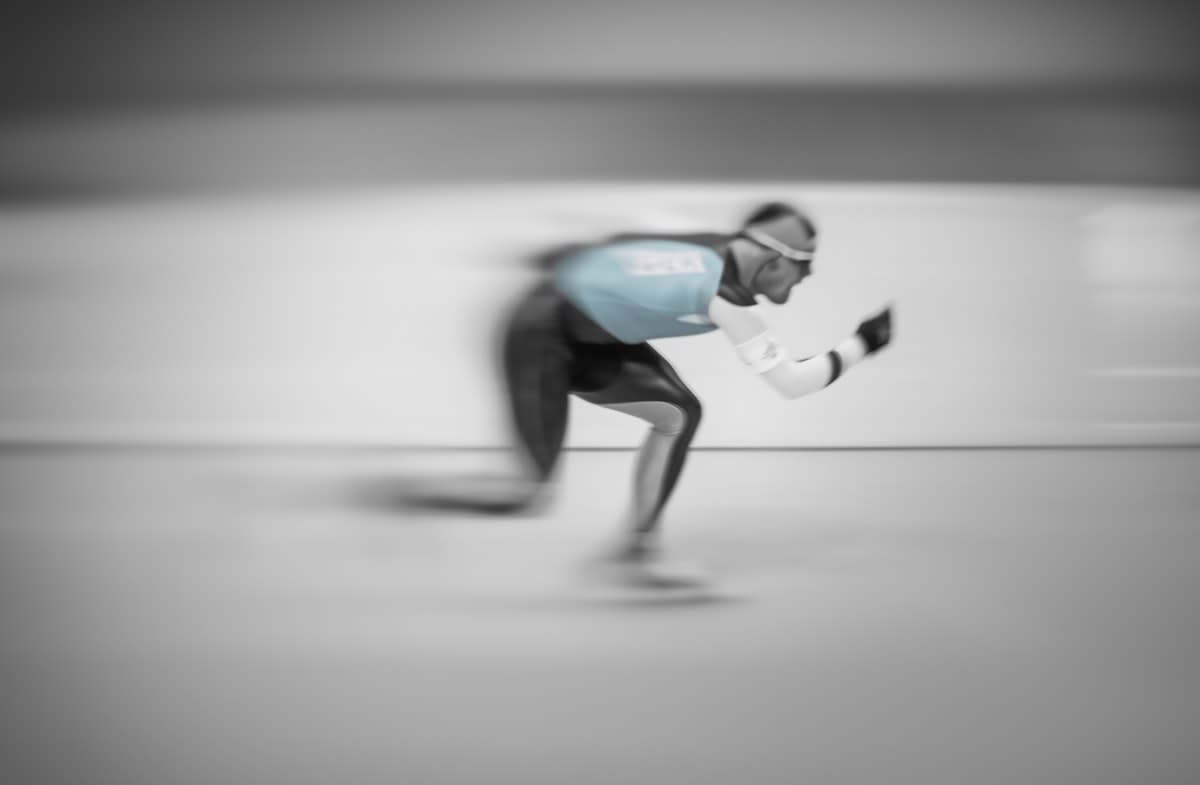
For decades, the gold standard of athletic recovery was simple: sleep, hydration, and stillness. The philosophy was linear—work hard, then stop completely to allow the body to rebuild. But look inside the high-performance centers of the current Olympic cycle, and you will see a radical departure from this passivity. Athletes are no longer just resting; they are subjecting themselves to controlled, extreme thermal environments. They are stepping into 90-degree Celsius saunas and plunging into 4-degree Celsius ice baths, not as a luxury, but as a calculated biological strike. Why the shift? Because we have discovered that the body does not just recover during downtime—it adapts under stress.
This is the Cold-Heat Paradox. By introducing a brief, acute stressor—thermal shock—athletes trigger a systemic response known as hormesis. This is the biological phenomenon where a low dose of a stressor, which would be harmful in high doses, actually stimulates cellular repair and resilience. We are seeing a transition from 'passive recovery' to 'active adaptation.' The goal is no longer just to return to baseline, but to push the baseline higher. This shift has accelerated in the last 12 months as wearable technology allows coaches to monitor heart rate variability (HRV) and core temperature in real-time, turning what was once guesswork into a precise science.
The Heat Engine: Expanding the Biological Ceiling
Heat stress is the current frontier for endurance athletes. The primary objective here is plasma volume expansion. When the body is exposed to extreme heat, it triggers an increase in blood plasma volume to better facilitate cooling through sweat. This is a massive advantage. More plasma means a higher stroke volume for the heart, meaning more oxygen is delivered to the muscles with less effort. According to the American College of Sports Medicine (Source: ACSM, 2023), heat acclimation can improve VO2 max and cardiovascular efficiency even in athletes competing in temperate climates. It is effectively a legal, biological upgrade to the body's cooling and delivery system.
"The objective isn't just to survive the heat, but to use the heat to force the heart to become a more efficient pump. We are seeing a fundamental shift where the sauna is treated as a second workout, not a spa day."— Dr. Elena Rossi, Lead Performance Researcher at the Institute of Human Performance
This trend is global. In Kenya and Ethiopia, elite marathoners are augmenting their high-altitude training with heat chambers to simulate the oppressive humidity of major city marathons. In Finland, the traditional sauna culture has been quantified, with athletes using specific temperature-duration protocols to trigger Heat Shock Proteins (HSPs). These proteins act as molecular chaperones, repairing damaged proteins and preventing the cellular degradation that typically follows an intense training block (Source: Journal of Applied Physiology, 2022). The delta here is clear: a year ago, heat was something to be avoided; today, it is a tool to be weaponized.
| Metric | Traditional Passive Rest | Strategic Thermal Stress |
|---|---|---|
| Primary Goal | Homeostasis (Return to Baseline) | Hormesis (Elevate Baseline) |
| Physiological Trigger | Parasympathetic Activation | Acute Sympathetic Shock |
| Key Outcome | Reduced Fatigue | Plasma Expansion & Protein Repair |
| Time Efficiency | Low (Requires Hours/Days) | High (20-30 Minute Sessions) |
But how does this actually look on the ground? If you walk into a professional rugby camp in the UK or a soccer academy in Brazil, you'll find a heated debate raging between the 'old guard' and the 'data scientists.' The old-school coaches view ice baths as the only way to survive a grueling season, fearing that any further stress will lead to burnout. The sports scientists, however, are arguing that too much cold too soon actually blunts the hypertrophy response. They point to evidence that icing immediately after strength training can inhibit the signaling pathways required for muscle growth (Source: Frontiers in Physiology, 2021). The friction is real: do you prioritize immediate feeling (less soreness) or long-term adaptation (more muscle)?
The Cold Equation: Precision over Plunge
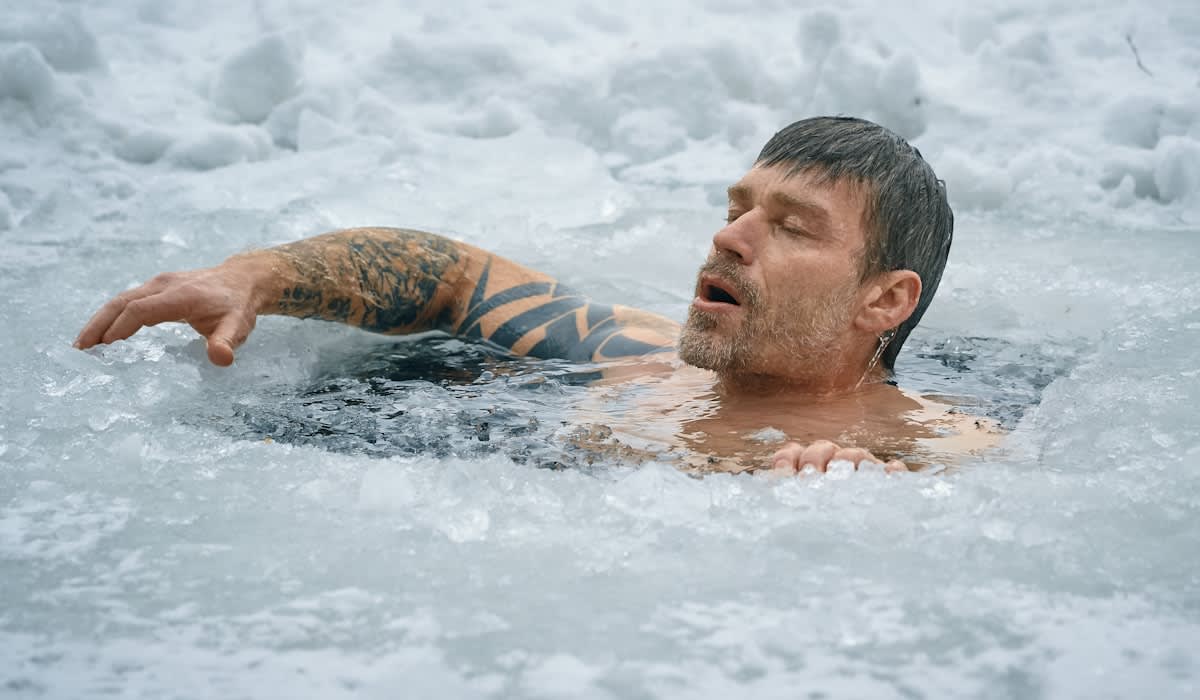
Cold water immersion (CWI) was once a blunt instrument—jump in the ice and hope for the best. Now, it is a surgical tool. The trend has shifted toward 'contrast therapy,' the rapid oscillation between extreme heat and extreme cold. This creates a systemic 'pump' effect, forcing blood from the periphery to the core and back again, which accelerates the removal of metabolic waste. Data suggests that contrast therapy can reduce perceived muscle soreness by up to 30% more effectively than passive rest alone (Source: International Journal of Sports Medicine, 2023). It is not about the cold itself, but the transition.
In Japan, the integration of Onsen culture with modern sports science has led to highly specific temperature cycling. Athletes are using cold exposure to trigger the release of norepinephrine, which sharpens mental focus and reduces systemic inflammation. However, the nuance is in the timing. The modern elite athlete knows that a cold plunge before a power-based event can decrease muscle power output. Therefore, the 'When' has become more important than the 'What.' The precision of timing—cold for recovery, heat for capacity—is the hallmark of the current era.

Is this accessible to the average athlete? While the elite have access to cryo-chambers and industrial saunas, the principle of thermal stress is being democratized. We are seeing a surge in 'biohacking' hubs in cities like New York, London, and Singapore, where amateur athletes mimic these professional protocols. The trend is moving away from the 'more is better' mentality toward 'optimal stress.' The goal is to find the minimum effective dose of thermal shock that triggers the adaptation without inducing overtraining syndrome.
The ultimate implication of the Cold-Heat Paradox is a redefined understanding of resilience. We used to think of the body as a battery that needed recharging. Now, we view it as a dynamic system that requires periodic disruption to evolve. By strategically trading traditional rest for thermal stress, elite athletes are not just recovering from the game—they are evolving for the next one. The competitive edge is no longer found in how much you can relax, but in how intelligently you can suffer.
Fact-Check & Accuracy Note
Key claims regarding plasma volume expansion are sourced from the American College of Sports Medicine (2023) and the Journal of Applied Physiology (2022). The debate regarding cold-water immersion blunting hypertrophy is based on findings published in Frontiers in Physiology (2021). There is ongoing debate in the field regarding the exact 'optimal dose' of thermal stress, as individual responses vary significantly based on genetics and baseline fitness levels.