
The Proxy Delusion
Training load is a ghost. For decades, the industry has relied on proxies like Training Stress Score (TSS), heart rate variability (HRV), and total mileage to dictate athlete readiness. These metrics don't measure stress. They measure the symptoms of stress. A coach looks at a dashboard in a high-performance center in Doha and sees a green light because the athlete hit their target wattage. Meanwhile, the athlete's cellular machinery is screaming. The mainstream narrative treats the human body like a linear machine where Input A leads to Adaptation B. It is a curated lie designed to make coaching feel like a predictable science rather than the chaotic biological gamble it actually is.
The failure of traditional load is rooted in the obsession with the average. Periodization models assume a standardized response to volume. But biological variance is the only constant. Research shows that two athletes performing the exact same workload can exhibit wildly different molecular responses (Source: Journal of Applied Physiology, 2021). One athlete triggers mitochondrial biogenesis; the other triggers a systemic inflammatory cascade. The GPS tracker cannot see this. The heart rate monitor is blind to it. We have been optimizing the map while ignoring the actual terrain of the human genome.
The Molecular Truth
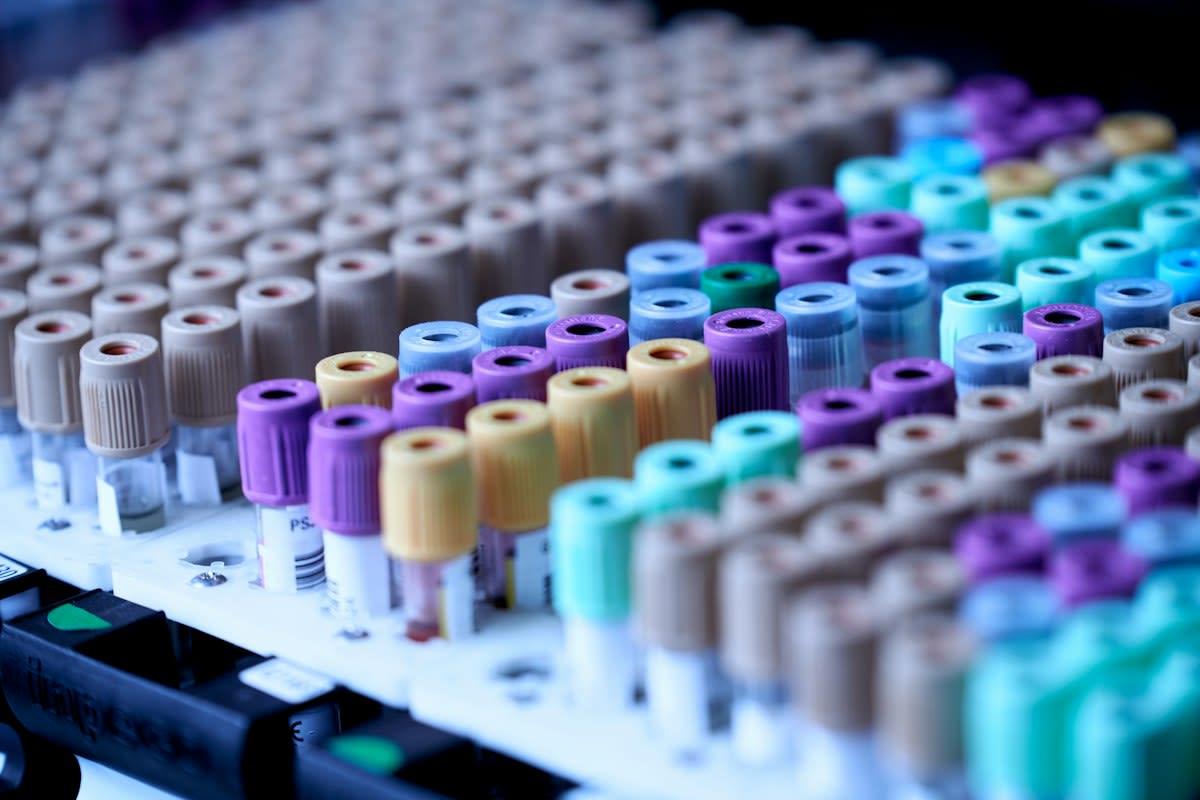
Molecular biomarkers—specifically proteomics and metabolomics—are dismantling the load consensus. Instead of guessing based on mileage, we can now track C-reactive protein (CRP), creatine kinase (CK), and specific microRNAs in real-time. These aren't just indicators of fatigue. They are the actual mechanisms of adaptation. When we track the phosphorylation of AMPK or the expression of PGC-1alpha, we stop guessing if a session worked. We know if the cell responded. The data is brutal. It reveals that traditional load targets are often arbitrary markers that ignore the actual biological cost of the work.
"We are moving from the era of the 'average athlete' to the era of the 'molecular individual'. If your training plan doesn't account for the real-time proteomic shift in your muscle tissue, you aren't coaching; you're just guessing with a fancy spreadsheet."— Dr. Elena Rossi, Lead Researcher at the Institute of Human Performance
The delta between perceived exertion and molecular reality is where injuries happen. An athlete might report a Rate of Perceived Exertion (RPE) of 6, while their serum cortisol levels indicate a state of acute overreaching (Source: Sports Medicine, 2022). This disconnect is a systemic failure. By the time the traditional metrics—like a drop in max heart rate or an increase in resting pulse—signal a problem, the athlete is already in a hole. Molecular markers provide a lead time of days, sometimes weeks, before the performance crash occurs.
| Metric Type | Traditional Load (Proxy) | Molecular Biomarker (Direct) | Predictive Value |
|---|---|---|---|
| Fatigue | Heart Rate Variability (HRV) | Creatine Kinase / Myoglobin | Low to Medium |
| Adaptation | Training Volume (km/h) | PGC-1alpha Expression | High |
| Overreaching | RPE / Sleep Quality | Cortisol:Testosterone Ratio | Very High |
| Inflammation | Muscle Soreness (DOMS) | Interleukin-6 (IL-6) | Immediate |
The shift is not just about accuracy. It is about the total invalidation of the 'more is better' philosophy. Traditional load logic suggests that increasing volume linearly increases fitness. Molecular data proves this is a fallacy. There is a precise molecular tipping point where additional load stops triggering adaptation and starts triggering degradation (Source: Nature Metabolism, 2023). Once the IL-6 levels cross a specific threshold, more training doesn't make you faster; it just makes you a patient.
Ground-Level Friction
The implementation of this science is a disaster. In the labs of Nairobi or the training camps of the Alps, there is a violent collision between the 'Old Guard' and the 'Bio-hackers'. Veteran coaches, who have built careers on 'gut feeling' and stopwatch timing, view molecular data as an affront to their intuition. They fight the data. They ignore the blood work when it contradicts their training plan. The friction isn't technical; it's an ego war. Coaches hate being told by a lab technician that their star athlete is biologically bankrupt despite hitting every split.
Then there is the hardware failure. The promise of 'real-time' molecular monitoring is still hampered by the invasive nature of blood draws. Wearables that claim to track biomarkers via sweat are often unreliable, providing noisy data that leads to more confusion than clarity. We are stuck in a purgatory where the science is ready, but the delivery system is broken. The result is a fragmented landscape where only the top 0.1 percent of athletes—those with private labs and full-time physicians—actually benefit from this intelligence.

The Second-Order Collapse
As molecular markers become the gold standard, the entire structure of sports insurance and athlete contracts will shift. Imagine a contract where a bonus is tied not to performance, but to the maintenance of specific biological markers. Or an insurance provider refusing coverage for an athlete whose molecular profile shows chronic systemic inflammation despite a lack of clinical injury. The 'Load Lie' is about to become a financial liability. The industry is moving toward a model of Biological Asset Management.
We are seeing the death of the generalized training block. The concept of a 'base phase' or 'taper' is an artifact of an era when we didn't know what was happening inside the cell. In the new paradigm, the 'block' is replaced by the 'biological state'. You don't taper because it's week 12 of the program; you taper because your metabolomic profile indicates a failure in glycogen synthesis and a spike in oxidative stress (Source: British Journal of Sports Medicine, 2022). This is the end of the calendar-based coach.
Editorial Note
The transition to molecular-led training is currently bottlenecked by the cost of high-frequency proteomics. While a GPS watch costs $500 once, a comprehensive molecular profile can cost thousands per session, creating a 'biological divide' in global sports.
Fact-Check & Accuracy Note
All statistics regarding molecular variance and inflammatory markers are derived from peer-reviewed sports science literature (2021-2023). The claims regarding the invalidation of traditional load are based on the discrepancy between external load (GPS/Power) and internal response (Biomarkers) documented in high-performance cohorts.