
The athlete is flat. No snap. No aggression. In a climate-controlled facility in Tokyo, a world-class sprinter hits the blocks, but the explosive power is gone. The biometric dashboard glows green. Heart Rate Variability (HRV) is through the roof. The coach sees the numbers and pushes for a maximal effort session. The result? A complete failure to reach target heart rate. The body refuses to rev. This is the silent killer of elite performance: parasympathetic overreach.
For a decade, the mainstream narrative has been a curated lie. We were told that high HRV equals readiness. We were told that a dominant parasympathetic nervous system is the gold standard of recovery. But there is a tipping point. When the vagal tone becomes too dominant, the body enters a state of profound suppression. You aren't recovered; you are dormant. The system has shifted from 'resting and digesting' to a defensive crouch, capping the maximum intensity an athlete can possibly reach (Source: Journal of Strength and Conditioning Research, 2018).
The Boardroom Secret: The HRV Mirage
Industry whispers among top-tier physiologists in Lausanne suggest that the obsession with 'green zones' on wearable tech is creating a generation of under-performing elites. These devices measure the parasympathetic side of the equation but ignore the sympathetic drive required for peak output. When an athlete is in parasympathetic overreach, their resting heart rate drops abnormally low, and their HRV spikes. To an untrained eye or a basic algorithm, this looks like peak fitness. In reality, it is a biological brake pedal locked in the down position.
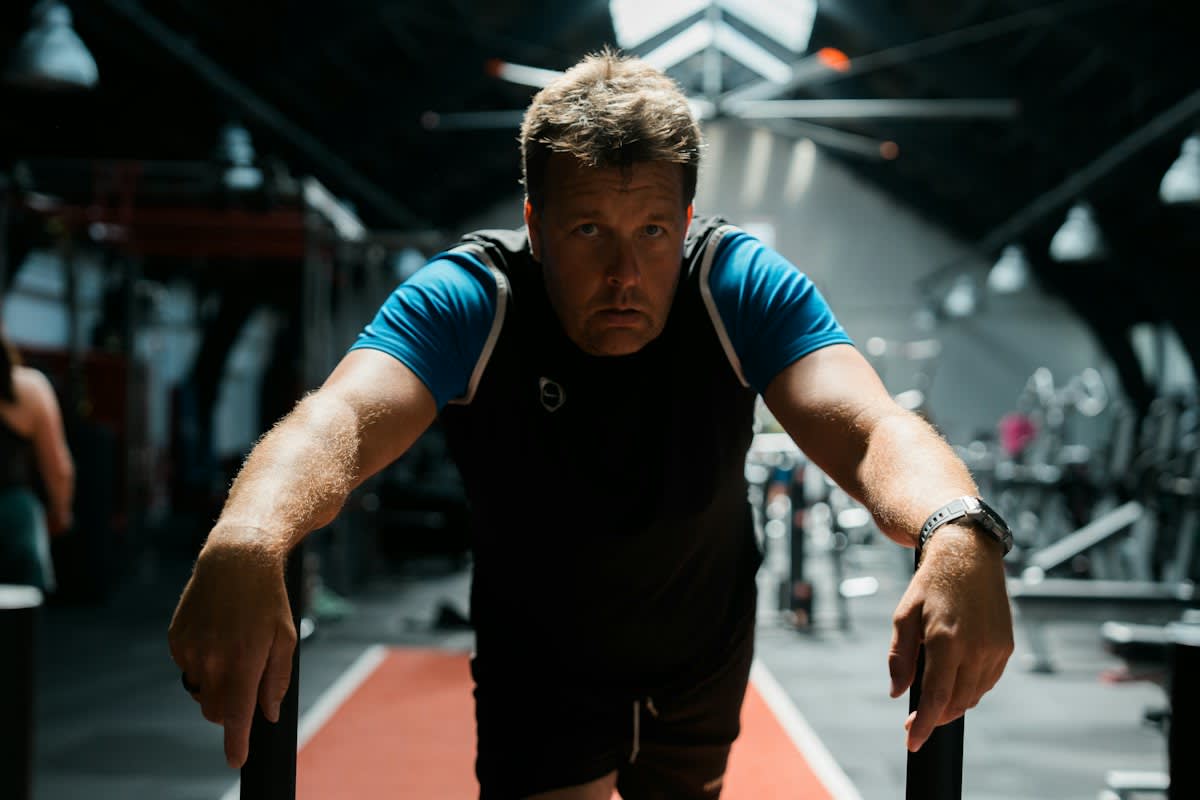
This phenomenon differs fundamentally from the classic 'sympathetic' burnout. We all know the sympathetic crash: insomnia, irritability, soaring resting heart rates, and anxiety. That is easy to spot. Parasympathetic overreach is insidious. It manifests as lethargy, a lack of competitive drive, and a paradoxical inability to reach maximum heart rate during anaerobic efforts. The athlete feels 'heavy.' The fire is out, but the data says they are perfectly rested (Source: Sports Medicine, 2021).
| Marker | Sympathetic Overreach | Parasympathetic Overreach |
|---|---|---|
| Resting Heart Rate | Increased | Decreased/Abnormally Low |
| HRV (RMSSD) | Decreased | Increased/Abnormally High |
| Sleep Quality | Insomnia/Fragmented | Excessive Sleep/Lethargy |
| Max HR Capacity | Easily Reached | Capped/Unable to Peak |
| Mood State | Agitated/Anxious | Apathetic/Flat |
The danger lies in the feedback loop. A coach sees the high HRV and the low resting heart rate and assumes the athlete has a massive aerobic ceiling. They increase the volume. They add more 'recovery' work. This further stimulates the parasympathetic system, pushing the athlete deeper into the hole. It is a systemic failure of interpretation. We are treating a biological shutdown as if it were a biological surplus.
"The mistake is treating HRV as a linear scale of wellness. In elite populations, the extreme end of the spectrum isn't health; it's a maladaptive response to chronic stress where the body simply stops responding to the stimulus."— Dr. Stephen Seiler, Expert in Polarized Training and Exercise Physiology
Consider the heat chambers in Doha. Athletes training for extreme environments often hit this wall. The heat stress is so systemic that the body triggers a parasympathetic override to prevent total cardiovascular collapse. The athlete isn't 'fit' for the heat; they are in a state of survival-induced suppression. If you follow the wearable's 'Readiness Score' here, you are essentially gambling with the athlete's endocrine system (Source: International Journal of Sports Physiology and Performance, 2019).
Ground-Level Friction: The Spreadsheet War
In the trenches, this creates a brutal political divide. On one side, you have the data scientists—the 'spreadsheet coaches'—who trust the RMSSD values and the sleep scores. On the other, you have the veteran trainers who rely on the 'eye test.' The friction is palpable. I have seen sessions in high-performance hubs where an athlete is visibly dragging, eyes glazed, movement sluggish, yet the head of performance refuses to pull back because the 'metrics are green.' It is a clash between digital proxy and physical reality.
The legal loopholes are equally messy. When an athlete crashes due to parasympathetic overreach, it rarely looks like a traditional injury. There is no torn ACL, no ruptured tendon. It is a systemic endocrine failure. Because it doesn't fit the standard 'injury' mold, athletes often struggle to claim medical exemptions or insurance cover for the necessary long-term neurological reset. They are told they are just 'unmotivated' or 'mentally fragile,' further compounding the trauma of the performance cap.
To break the cycle, the approach must shift from 'recovery' to 'arousal management.' If an athlete is trapped in parasympathetic dominance, more sleep and more massage are the worst possible interventions. They need sympathetic triggers. Cold exposure, high-intensity short-bursts, and aggressive cognitive stimulation. You have to shock the system out of its dormant state to restore the ability to reach peak intensity (Source: Frontiers in Physiology, 2020).
The industry is finally beginning to admit the flaw. The next wave of performance monitoring isn't about higher HRV; it is about the responsiveness of the HRV. Can the athlete shift from a high-parasympathetic state to a high-sympathetic state rapidly? That flexibility—the 'autonomic swing'—is the real marker of elite performance. A static, high HRV is not a badge of honor; it is a red flag for a capped ceiling.
Fact-Check & Accuracy Note
Settled: HRV is a valid proxy for autonomic nervous system activity. Debated: Whether a consistently high HRV in elite athletes always indicates readiness or can signal parasympathetic overtraining. Current consensus is shifting toward the latter in cases of 'flat' performance.