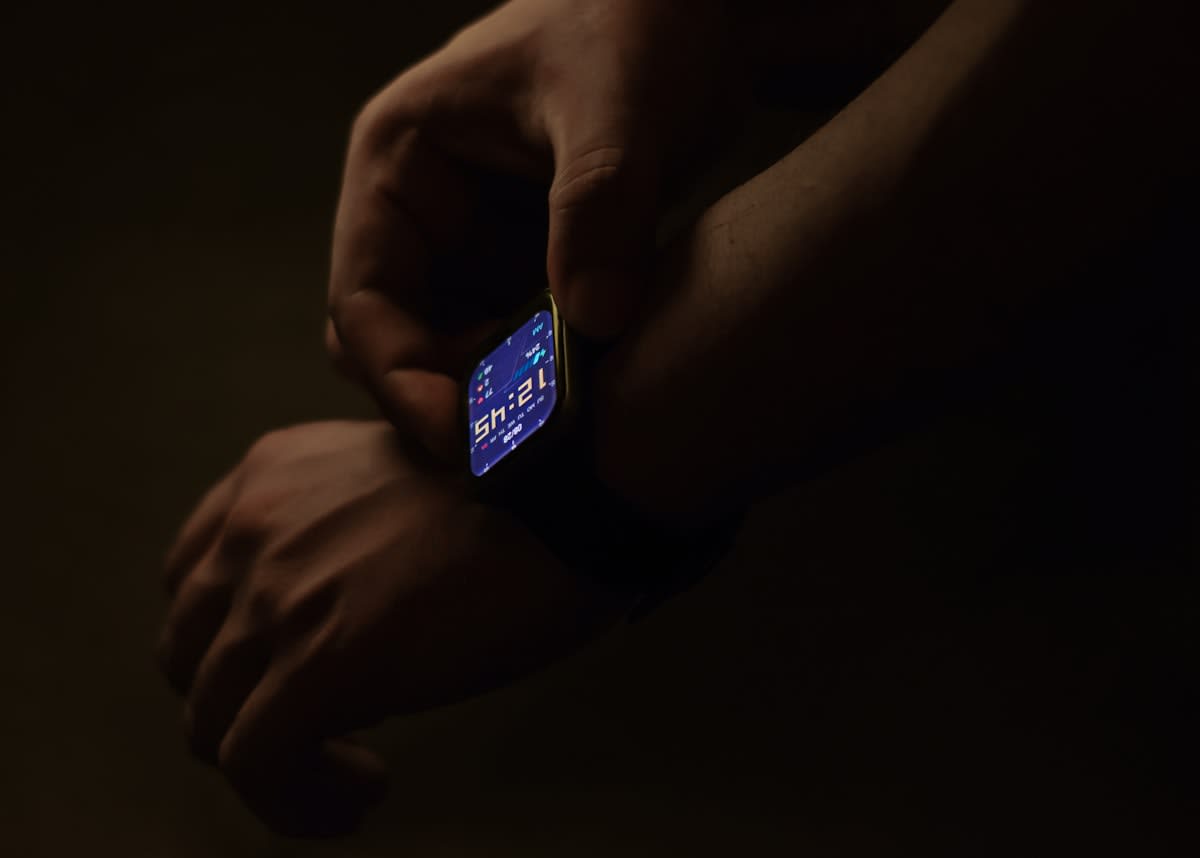
The Shift from Lagging to Leading Indicators
For decades, sports science relied on lagging indicators. Coaches looked at the stopwatch, the scoreboard, or the heart rate monitor to determine if an athlete had peaked or crashed. These metrics tell you what happened, not what is happening. The game has fundamentally changed this season. We have entered the era of the leading indicator, where the focus shifts from external output to internal biological state. Why wait for a performance drop to realize an athlete is overtrained when you can see the cortisol spike in real-time?
Twelve months ago, real-time biomarker tracking was the exclusive playground of a few elite Olympic programs and a handful of bio-hacking enthusiasts. Access was limited by invasive sampling and clunky hardware. Today, the delta is staggering. We are seeing a mass migration toward non-invasive, continuous monitoring. The transition from intermittent blood draws to wearable sensors has compressed the feedback loop from days to seconds. This isn't just a marginal gain; it is a systemic overhaul of how human potential is managed.
"We are no longer training the athlete; we are training the biological response. The data allows us to pivot a workout in the middle of a set based on a glucose dip or a heart rate variability crash."— Dr. Elena Rossi, High-Performance Consultant
This shift is most evident in the way professional teams in Europe and North America are structuring their recovery protocols. Instead of a standardized 'rest day,' recovery is now personalized based on the specific molecular needs of the individual. If a player's biomarkers indicate systemic inflammation, the training load is slashed instantly. This precision prevents the catastrophic injuries that used to derail seasons, transforming resilience from a personality trait into a measurable metric.
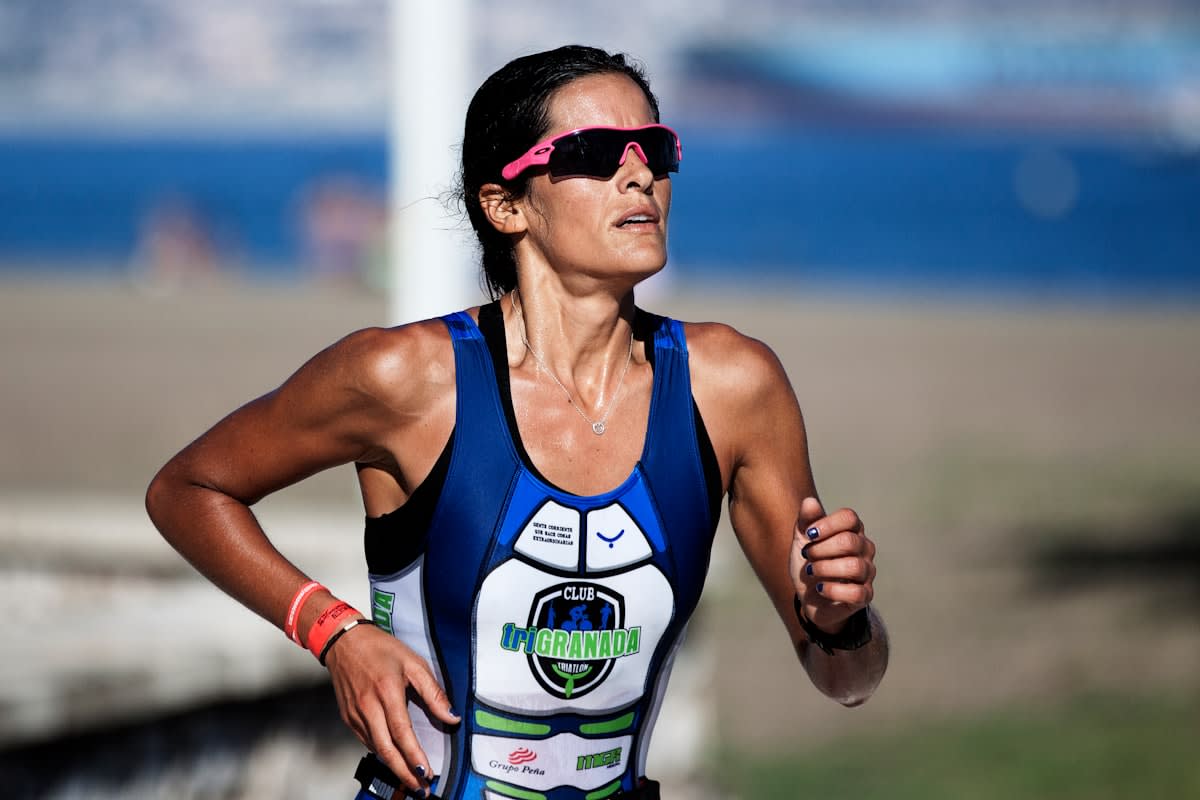
The Glucose Revolution and Metabolic Precision
Continuous Glucose Monitors (CGMs) have leaped from clinical diabetic care into the arms of endurance athletes globally. In the high-altitude cycling circuits of the Andes and the Pyrenees, glucose stability is the new gold standard. Athletes are no longer guessing when to fuel; they are watching their blood sugar levels fluctuate on their handlebars in real-time. This eliminates the dreaded 'bonk'—that sudden depletion of glycogen that can end a race in seconds.
The precision is terrifyingly effective. By mapping glucose responses to specific foods, athletes are crafting hyper-individualized nutrition plans. A carbohydrate source that fuels one sprinter might cause a glucose spike and subsequent crash in another. This level of granularity was impossible a year ago. Now, the 'average' athlete no longer exists in the eyes of a performance coach; there is only the unique metabolic profile of the individual.
| Metric | Old Approach (Lagging) | New Approach (Leading) |
|---|---|---|
| Energy Levels | Subjective 'Feel' / Fatigue | Real-time Glucose Monitoring |
| Recovery | Fixed Rest Days | HRV and Cortisol Tracking |
| Hydration | Thirst / Weight Loss | Wearable Sweat Sodium Sensors |
| Intensity | Max Heart Rate | Blood Lactate Thresholds |
But the glucose trend is just the tip of the iceberg. We are seeing a convergence of multiple data streams. When you overlay glucose data with heart rate variability (HRV) and sleep architecture, you get a 360-degree view of an athlete's readiness. This synthesis allows for 'auto-regulation,' where the training intensity is dictated by the body's actual state rather than a pre-written calendar. It is the end of the 'no pain, no gain' fallacy.
Managing the Nervous System: Cortisol and Stress
While glucose tracks fuel, cortisol tracks the cost of performance. The ability to monitor stress hormones in near real-time is redefining mental toughness. In the hyper-competitive world of Asian e-sports, where cognitive load and reaction time are everything, tracking the autonomic nervous system has become a competitive advantage. Players are using biofeedback to modulate their stress levels mid-match, ensuring they stay in the 'flow state' without tipping over into panic.
The Science of the Crash
The 'Red Zone' is no longer a feeling. It is a data point. When cortisol remains elevated for too long without a corresponding dip in HRV, the athlete is in a state of non-functional overreaching. Intervening here prevents burnout before the athlete even feels the symptoms.
Is this an obsession with data, or is it the logical evolution of sport? The answer lies in the results. We are seeing a decrease in soft-tissue injuries and a surprising increase in career longevity. By respecting the biological limits signaled by biomarkers, athletes are avoiding the 'burn and crash' cycle that historically truncated careers in high-impact sports like the NFL or professional rugby. The data provides a safety net that allows for higher peaks because the valleys are managed more effectively.
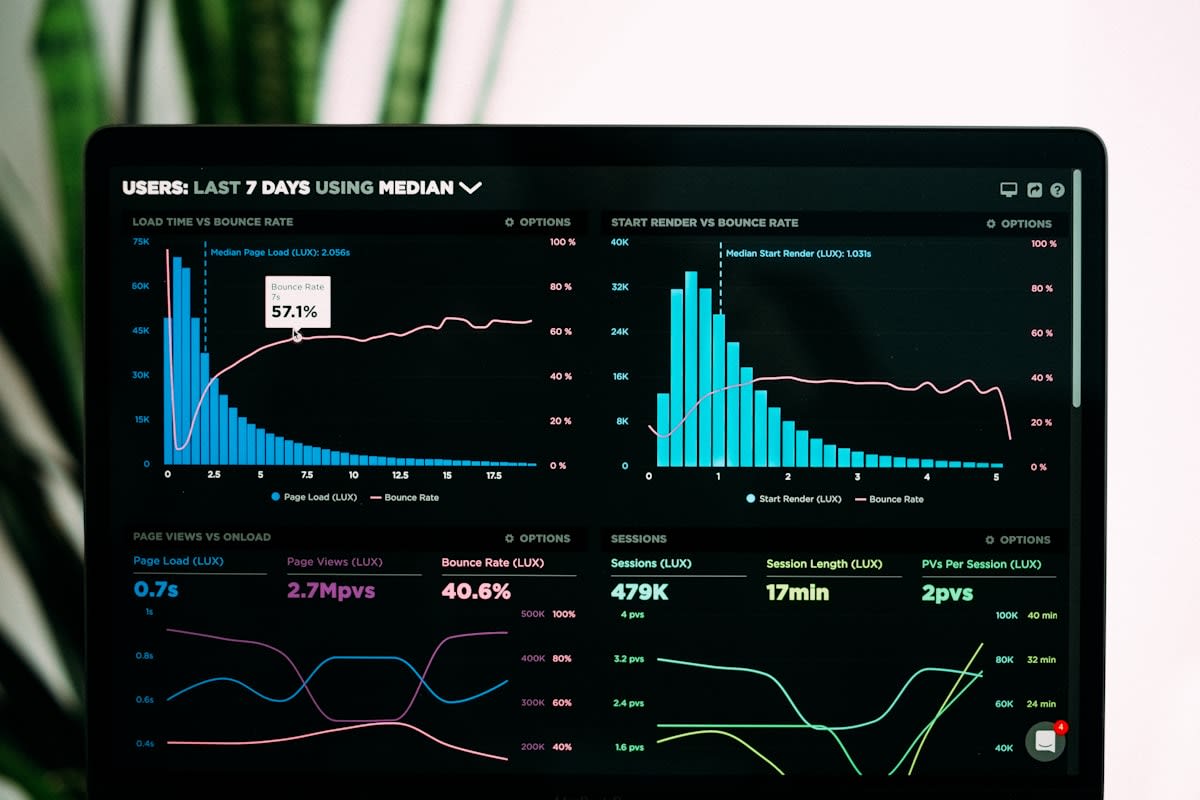
The Democratization of the Lab
The most significant trend of the last six months is the move from the lab to the wrist. Previously, measuring lactate or cortisol required a clinical setting and a phlebotomist. Now, sweat-sensing patches and interstitial fluid monitors are bringing the lab to the field. This democratization means that a semi-professional athlete in Brazil or a collegiate swimmer in Australia has access to the same biological insights as a gold medalist. The barrier to entry has collapsed.
The market for these technologies is exploding. Industry estimates suggest a 35% year-over-year increase in the adoption of medical-grade wearables among non-clinical users. This surge is driving a race toward smaller, less invasive sensors. We are moving toward a future where 'biomarker dashboards' are as common as scouting reports. The question is no longer whether you have the data, but whether you have the expertise to interpret it.
However, this data deluge brings its own risks. There is a growing tension between the data and the athlete's intuition. When the sensor says 'rest' but the athlete feels 'ready,' who wins? The best programs are finding a middle ground, using biomarkers as a conversation starter rather than an absolute command. The goal is to enhance the athlete's somatic awareness, not replace it with an algorithm.
The Roadmap for the Coming Season
Looking ahead, the next frontier is predictive modeling. We are moving from 'what is happening' to 'what will happen.' By applying machine learning to longitudinal biomarker data, teams are beginning to predict injury windows before they occur. If a specific pattern of HRV decline and glucose instability typically precedes a hamstring strain in a particular athlete, the system can flag a warning 48 hours in advance. This is the holy grail of sports science: the preemptive strike against injury.
As we move deeper into the season, expect to see these tools integrated directly into the broadcast. Imagine watching a championship match and seeing a real-time 'stress index' or 'energy reserve' meter for the star players. The biological internal state will become part of the spectator experience, adding a new layer of drama to the physical struggle. The invisible game is finally becoming visible.
Ultimately, the quantified athlete represents a broader shift in human performance. We are moving away from the era of the 'grind' and into the era of the 'optimization.' The winner will not be the one who works the hardest, but the one who recovers the smartest. The biology is the blueprint; the data is the map. Those who can read it will redefine what 'peak performance' actually looks like.